The Physical Cost of Full Gas
England’s opening 4-2 victory against Croatia in the 2026 World Cup was a tactical triumph, but it potentially came at a high price for the midfield. Declan Rice was observed walking with a noticeable limp after being substituted late in the match.
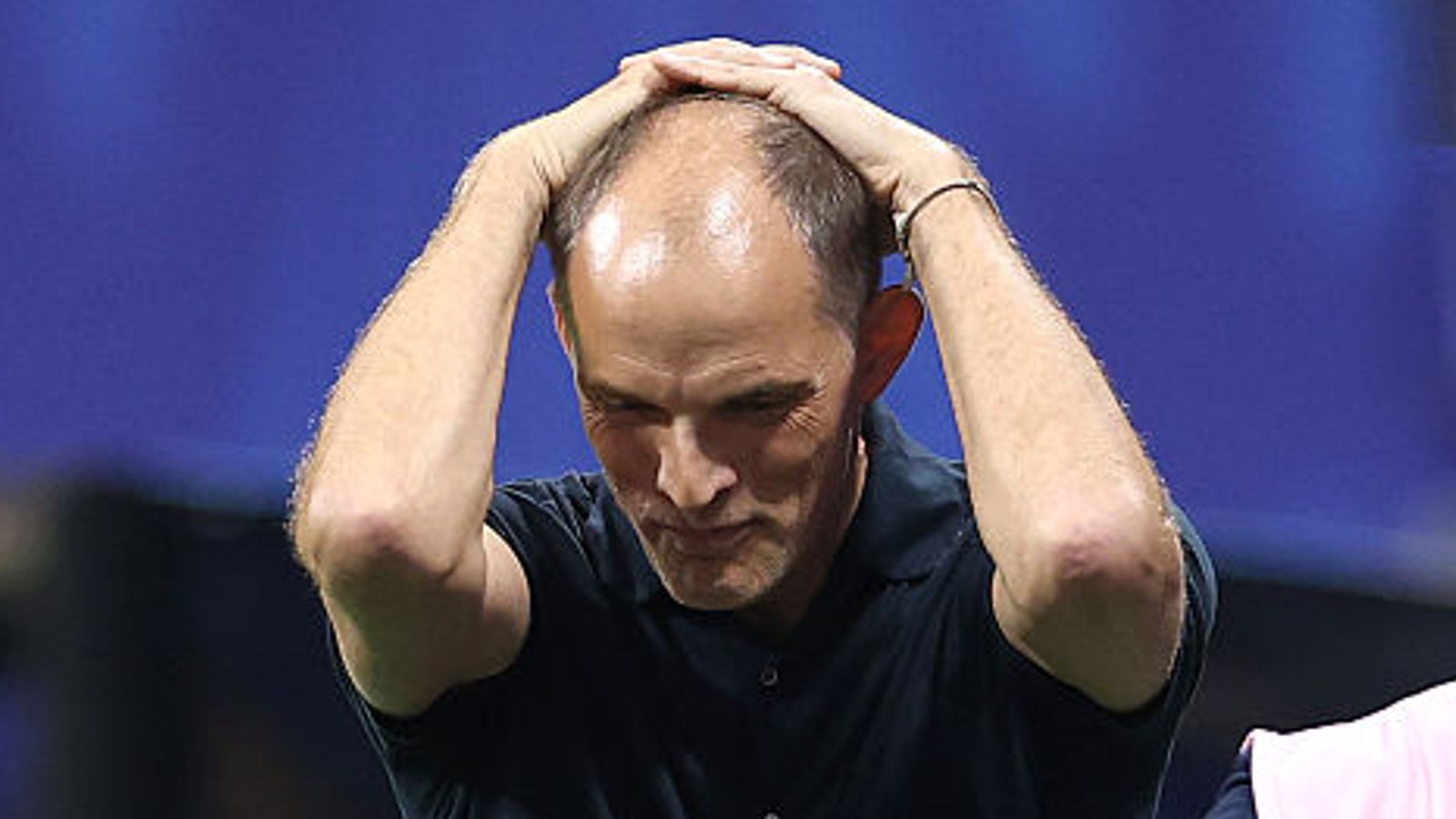
Thomas Tuchel confirmed the concern post-match, acknowledging the midfielder experienced discomfort during the closing stages. While the specific nature of the injury remains undisclosed, the incident highlights a recurring concern regarding the physical toll of Tuchel's high-intensity style on core personnel. As reported by The Mirror, the sight of the Arsenal man struggling to exit the pitch has created an immediate shadow over England's tournament prep.
Tactical Context and Historical Precedent
Tuchel’s arrival has shifted England’s identity toward a rapid, front-foot approach, a strategy visible in the team's relentless second-half surge against Croatia. Yet, this high-octane tempo relies on defensive anchors to facilitate transitions. When a primary ball-winner like Rice is compromised, the structural integrity of the side faces a severe test.
History suggests England often struggles when its primary midfield controller misses time in group stages. Past tournaments have frequently seen the Three Lions rely on a singular pivot to manage the tempo, and any prolonged absence for Rice would force a total reshuffle of the center-of-the-park chemistry. This forces Tuchel into a difficult spot: does he risk an early-tournament injury, or does he pull an engine-room starter to preserve the long-term goal?
The Strategic Fallout
Beyond the medical staff’s immediate assessment, the broader implications involve the squad's depth. If Rice is held out for precautionary reasons in the next fixture, the tactical burden shifts to his replacement to simulate the same defensive coverage. Critics have already pointed to Tuchel's aggressive personnel choices—notably the contentious defensive selection process that preceded this match—as an indicator that the manager is willing to prioritize immediate impact over conservative management.
The current situation is far from a crisis, but it serves as a reminder that intensity invites attrition. Tuchel will have to manage the noise surrounding his lineup choices while balancing the fitness of a vital asset. If the rotation fails, the questions regarding his squad management will only sharpen. As commentators have noted, the manager's genius is consistently tied to his willingness to make bold, late-game calls, but those moves lose their potency if key starters are sitting on the sidelines recovering from fatigue-related injuries.
What to Watch For
All eyes are now on the upcoming training drills. Updates regarding whether Rice participates in light recovery or full-contact sessions will provide the necessary transparency regarding his involvement in the next round of matches. For now, the team remains in the immediate aftermath of a significant win, but the focus must shift to ensuring the roster remains combat-ready.
With the squad aiming for a deep run, medical reliability is just as significant as tactical sharpness. Any delay in recovery for an integral piece like Rice puts the entire opening momentum at risk. We are waiting on specific scans or further updates from the FA medical team to determine the duration of any potential layoff.
Read Next
- Djed Spence headgear raises questions in England opener
- England show flickers of promise but Tuchel has problems to solve
- Top 10: Defining World Cup 2026 Moments So Far
- Tuchel's England gamble against Croatia is pure pragmatism
- 🏆 World Cup 2026 — Full Coverage Hub
- 🏴 England World Cup 2026 — Three Lions Hub
- 🇭🇷 Croatia World Cup 2026 — Modrić's Farewell