The Math Behind the 1,000-Goal Chase
When Al-Nassr kicked off their Saudi Pro League title defense against Al Fateh on Saturday, Cristiano Ronaldo sat in the VIP suites. Five days after marrying his partner, Georgina Rodriguez, on Tuesday, the forward watched his teammates secure three points without him.
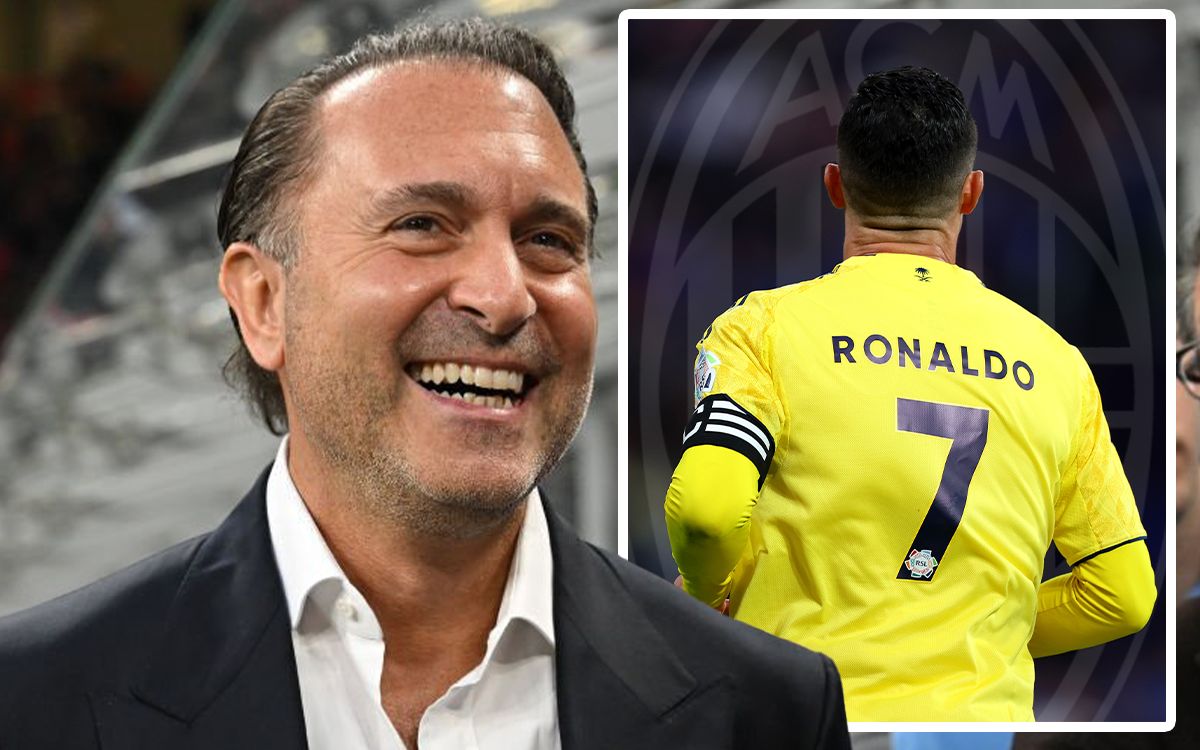
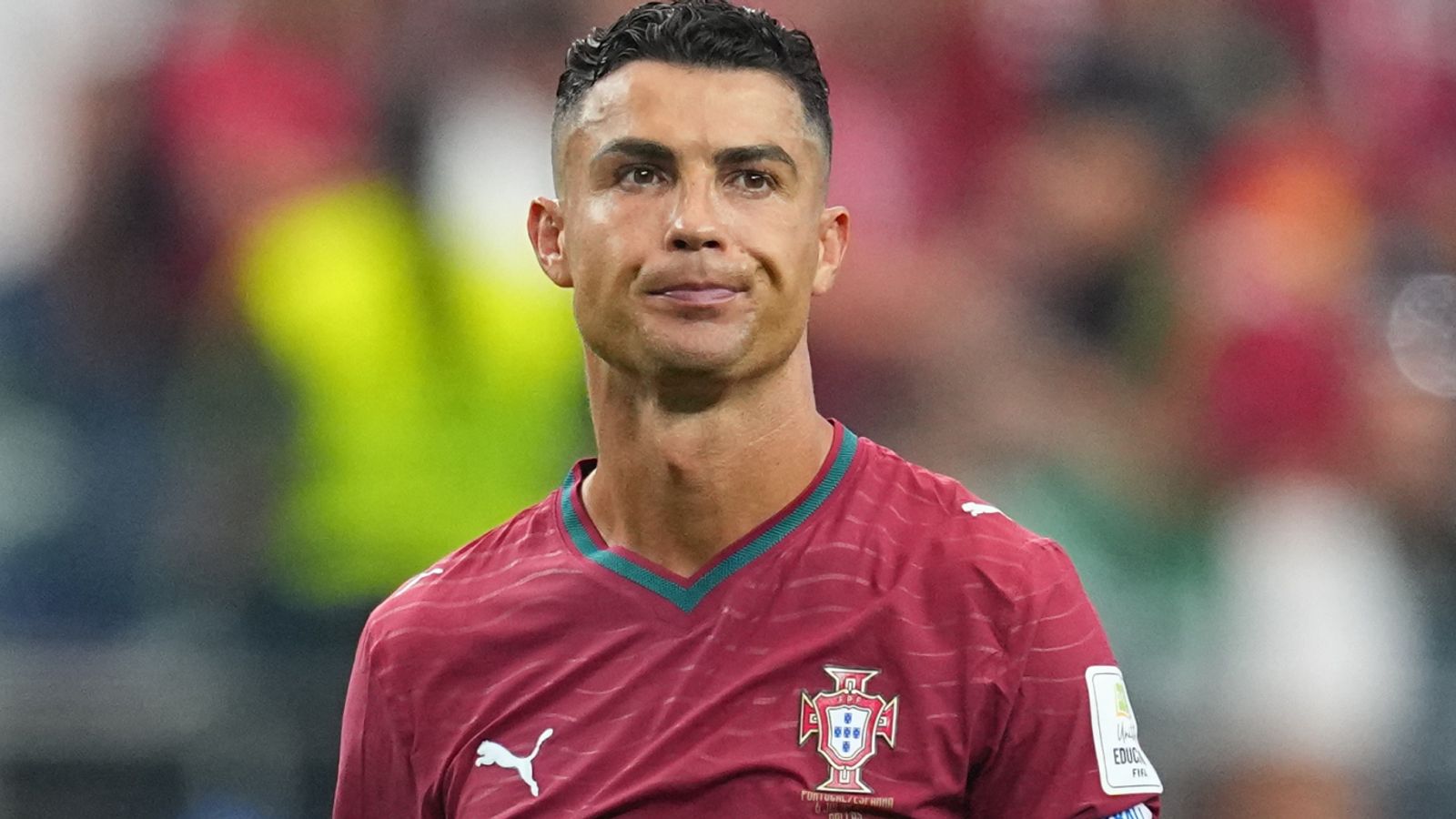
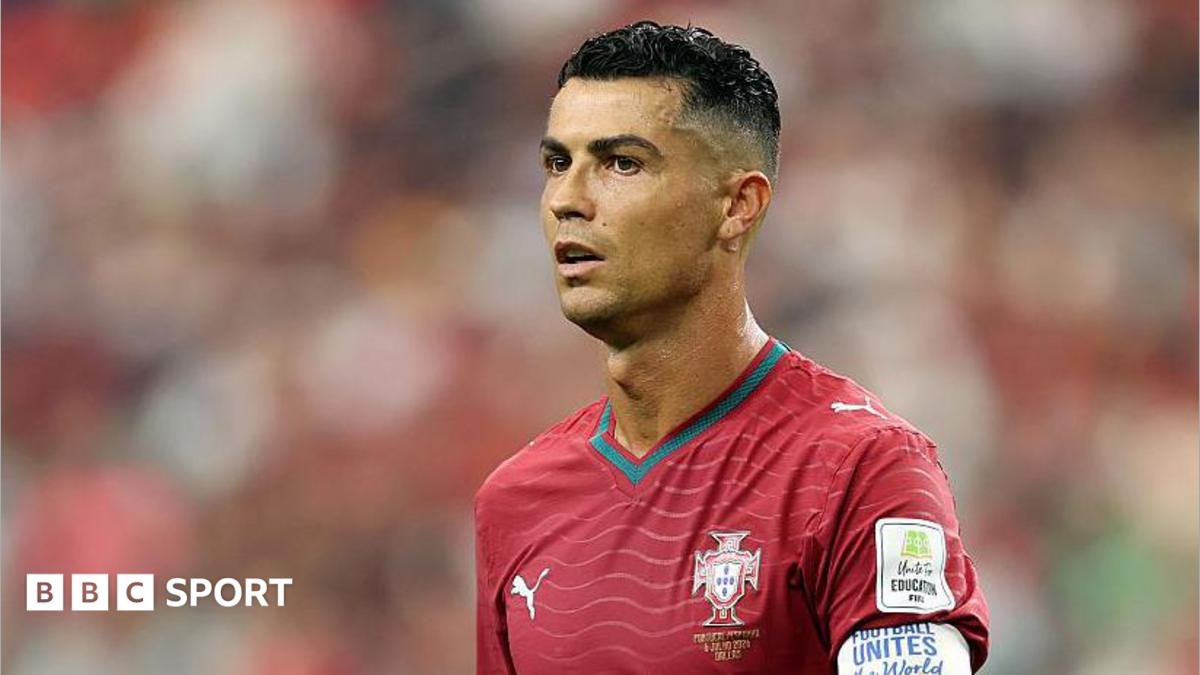
Al-Nassr won the opening fixture, but their entire campaign will revolve around their captain. Ronaldo enters what he admits is likely his final season in professional football needing exactly 24 goals to reach 1,000 senior career goals.
No player in modern men's football history has reached four digits in official competitive matches. Reaching that milestone would crown a career built on extraordinary longevity, five Ballon d'Or awards, and five Champions League trophies.
Speaking to Vogue in an interview centered on his wedding, the 41-year-old superstar left little doubt about his timeline. He made it clear that the finish line is in sight.
"This is probably my last year of football, and I want to leave a spectacular legacy," Ronaldo told Vogue. "I have my future all mapped out. I have so many things to keep me busy that to tell you just one thing is hard."
That legacy is already secure across four different countries. Having won domestic titles in England, Spain, Italy, and Saudi Arabia, Ronaldo stands as the all-time top goalscorer in men's international football.
He led Portugal to their first major international trophy at Euro 2016, rising from boyhood poverty on the island of Madeira to become the sport's first billionaire athlete. Yet the final lap of a legendary journey brings structural challenges for his club.
Scoring 24 goals in a single league and cup season is doable for a player of Ronaldo's finishing pedigree. However, forcing every attacking sequence through a veteran central striker changes how a team functions across ninety minutes.
Al-Nassr have spent almost four years adapting to Ronaldo's demands. With one year remaining on his contract, the club must balance his individual milestone against the collective requirements of winning trophies.
Why Al-Nassr Suffer When Ronaldo Stays High
Modern top-tier football is built on collective pressing, relentless off-ball tracking, and compact defensive shapes. A forward line cannot afford passive observers when opposition center-backs build play from the back.
Ronaldo's game at 41 is refined entirely around efficiency inside the penalty box. He conserves energy during opponent possession, remaining high up the pitch to save stamina for explosive bursts inside the six-yard box.
When Al-Nassr lose possession in the final third, they effectively defend with ten outfield players. The central striker does not initiate high press triggers or force opposition build-up toward the touchline.
This lack of frontline pressure puts immediate stress on Al-Nassr's central midfielders. Without a forward closing down passing lanes, rival defenders easily split the midfield line with direct vertical passes.
Al-Nassr's double-pivot must shift extra yards horizontally to cover open half-spaces. Over ninety minutes, that additional lateral ground wears down central midfielders, creating late-game gaps in front of the back four.
Opposing managers recognize this structural trade-off. They encourage their ball-playing defenders to draw Al-Nassr forward, knowing Ronaldo will not contest the initial phase of their build-up.
The tactical bottleneck extends into possession phase as well. Teammates often bypass open mid-range shots or simple wing overlaps to funnel difficult passes to Ronaldo inside packed penalty boxes.
That predictability turns Al-Nassr into a readable attacking side against disciplined defensive blocks. When wingers constantly look for one central target, opposition full-backs can tuck inside and double-team the primary threat.
As BBC Sport reported following his wedding announcements, Ronaldo has mapped out a life after the pitch. But on it, his presence creates a constant tactical compromise between individual output and overall team shape.
The Contrast With Messi and the Lessons of Qatar
The ongoing comparison between Ronaldo and Lionel Messi takes on a fresh dimension in their twilight years. Both superstars are navigating the end of their careers while evaluating how much gas remains in the tank.
Messi, who holds a record eight Ballon d'Or trophies, recently admitted he was also unsure how much longer he would continue playing. Yet their recent international campaigns highlighted two very different tactical realities.
During the World Cup in Qatar, Messi scored eight goals and led Argentina to world title glory. Argentina succeeded because their system accommodated Messi's lower defensive output with specialized workhorses around him.
Argentina constructed a midfield engine designed to absorb Messi's off-ball rest periods. Younger midfielders sprinted relentlessly to cover his defensive zones, allowing Messi to operate in space when possession was regained.
Portugal's World Cup campaign offered a stark contrast. When Portugal bowed out in the round of 16, their system faltered because their shape broke down under opponent pressure.
Portugal struggled to balance Ronaldo's high positioning with the defensive duties required against elite international opposition. When an opponent bypassed Portugal's forward line, the entire midfield structure collapsed backward.
Al-Nassr face the same structural puzzle. Unless the Saudi Pro League champions build an intense running engine around Ronaldo, they risk being overrun by dynamic transition teams in big domestic fixtures.
When asked in July whether his sixth World Cup would be his last, Ronaldo stated he would decide with a calm head alongside his family. That measured approach reflects a player aware that physical recovery takes longer at 41.
The physical wear of a quarter-century at the top level is undeniable. Ronaldo no longer makes 40-yard recovery sprints or wide channel runs, focusing instead on sharp positional double-moves inside the box.
A Quarter-Century of Sacrifice Reaches Its Limit
Very few athletes in sports history have maintained peak elite performance across 25 years. From his early days at Sporting CP to Manchester United, Real Madrid, Juventus, and Al-Nassr, Ronaldo's work ethic has been legendary.
Yet that relentless commitment requires a mental and physical toll that cannot continue indefinitely. In his interview, Ronaldo openly discussed the transition to life beyond matchdays and training ground routines.
"Have more fun, travel more, watch and play padel, which I really like, and continue to enjoy what I've earned - what we've earned," Ronaldo said. "Because after all it's been 25 years with a lot of sacrifice."
Life after football will involve business ventures, global travel, family time, and padel matches. Yet filling the void left by professional competition remains a challenge for every iconic athlete.
In secondary coverage exploring whether fans are now more invested in star names than clubs, Ronaldo stands as the ultimate example of modern individual stardom. His global followers track every milestone with obsessive detail.
That star power creates immense commercial value, but it can cloud footballing decisions on the pitch. Managers face immense pressure to starter-lock superstar icons, even when tactical flow demands rotation or tactical adjustments.
If Al-Nassr manage his minutes intelligently, Ronaldo can comfortably score the 24 goals needed to reach 1,000. Fresh legs in key moments will maximize his lethal finishing while preserving team energy against top-tier opponents.
If Al-Nassr insist on playing him ninety minutes every match, opponent counter-attacks will continue to puncture their defensive shape. The squad will score goals, but they will drop decisive points against fast, high-pressing rivals.
Ronaldo's final year will be a captivating spectacle. He will likely hit the 1,000-goal benchmark and cement a goalscoring record that may stand for generations.
Whether that pursuit delivers another league championship for Al-Nassr depends on tactical realism. Great goalscorers win matches, but balanced teams win titles—and even Cristiano Ronaldo cannot rewrite the fundamental laws of football.
Read Next
- Why Modern Football Fans Track the Superstars, Not the Clubs
- Lionel Messi looks ready to walk away and nobody can blame him
- August 13 delivered Shearer's birth, Wembley red cards, and Pep's City debut
- Harry Maguire Backing Marcus Rashford Is Peak Manchester United Banter
- 🇦🇷 Argentina World Cup 2026 — Defending Champions Hub
- 🇵🇹 Portugal World Cup 2026 — A Seleção Hub
- ⭐ Saudi Pro League 2025-26 — Ronaldo, Al Nassr & the Title Race