The end of the Burnley flirtation
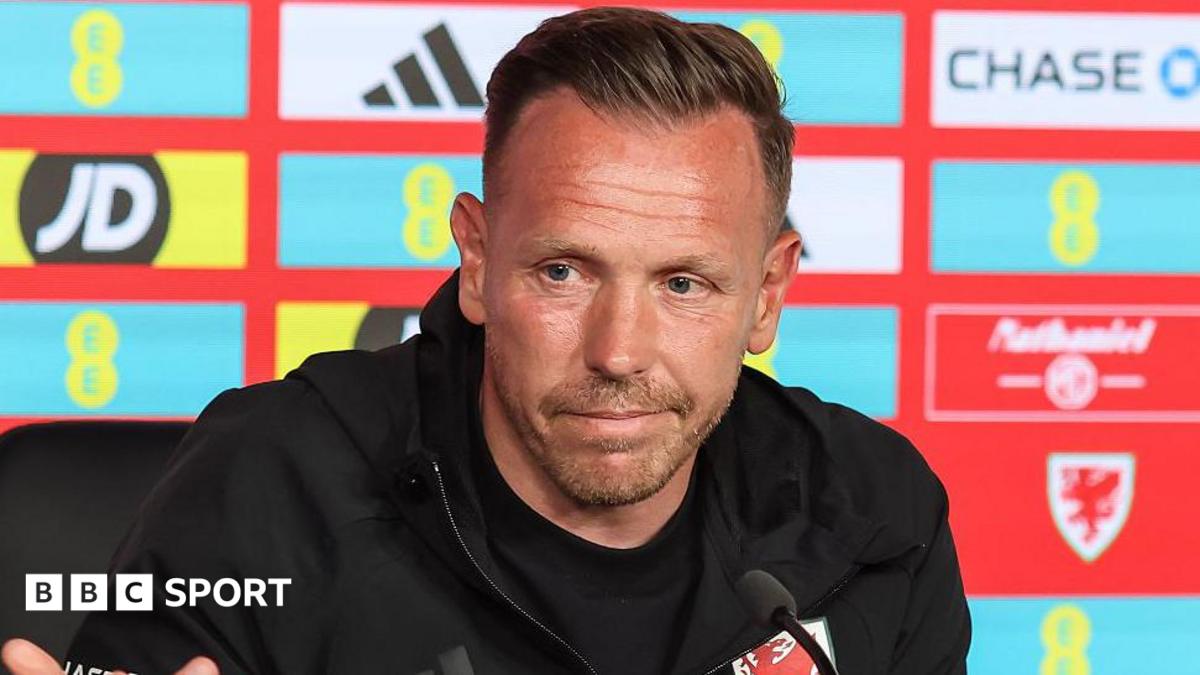
The soap opera surrounding Craig Bellamy and the vacant dugout at Turf Moor has reached an abrupt conclusion. After heavy speculation linked the former Liverpool forward with the Championship club following Scott Parker’s instability, the reality is that Bellamy remains at the helm of the Wales national team. It is a win for continuity, even if the timing of the uncertainty was less than ideal.
Burnley supporters were already analyzing transition metrics and pressing triggers before the deal collapsed late Tuesday. The chatter around Turf Moor suggested an incoming shift toward a more aggressive, high-intensity transition model, mirroring Bellamy’s known tactical preferences. Instead, the Championship side must look elsewhere after the move went cold.
Stability over Championship churn
International management requires a different rhythm than the grueling, 46-game slog of the EFL. Replacing a coach mid-cycle is always a gamble, but keeping a manager who has already established a clear tactical identity is a calculated choice to maintain progress. When Bellamy took the position, the aim was to modernize an aging squad and fix defensive lapses from the previous campaign.
The data from the recent Nations League windows shows subtle improvements in high-press engagement. We have seen Wales shift from a passive mid-block into a more compact, ball-oriented defensive frame. Retaining Bellamy provides the luxury of time, something seldom afforded to managers in the lower tiers of the English pyramid. His decision reported by the BBC confirms he remains committed to the project in Cardiff.
The tactical path ahead
Looking at the bigger picture, Wales sits at a crossroads. The reliance on senior figures is waning, and the integration of younger talent in the attacking third is the primary focus for the next 18 months. Bellamy has made it clear that ball retention in the final third must improve; their current xG conversion remains a weakness that limits their ability to close out tight matches against disciplined blocks.
There is a flaw in the current strategy though. A lack of depth at the full-back positions continues to force lopsided builds during counter-attacks. If Bellamy cannot address this narrowness, opposing managers will continue to force play into wide areas where Wales lacks the isolated pace to punish opponents. The manager needs to find a more flexible rotation than his current reliance on a static three-man midfield.
Why this outcome feels definitive
Fans should be relieved that the instability has been cauterized. External pressure from club boards often destabilizes international camps, leading to distracted personnel and poor results in crucial qualification fixtures. Having the managerial situation settled by June 25, 2026 means the focus can return to match-specific preparation.
Expect Bellamy to lean into a more conservative structural approach for the next international cycle. He knows that his reputation as a tactical innovator is on the line. If he wants to transition into club management eventually, he must prove he can build a coherent attacking unit from the back. The 1-0 victory in his previous outing proved he can organize a defensive shutdown, but that strategy won't be enough against superior opposition. I predict Wales will move to a more fluid 4-3-3 formation by autumn, as Bellamy has far too much ambition to park the bus for an entire campaign.