The international break friction point
Thomas Tuchel loves control. The England manager expects total commitment to every international window, regardless of opponent or context. So when Cole Palmer opted out of September's Nations League fixtures to stay at Cobham, friction was inevitable.
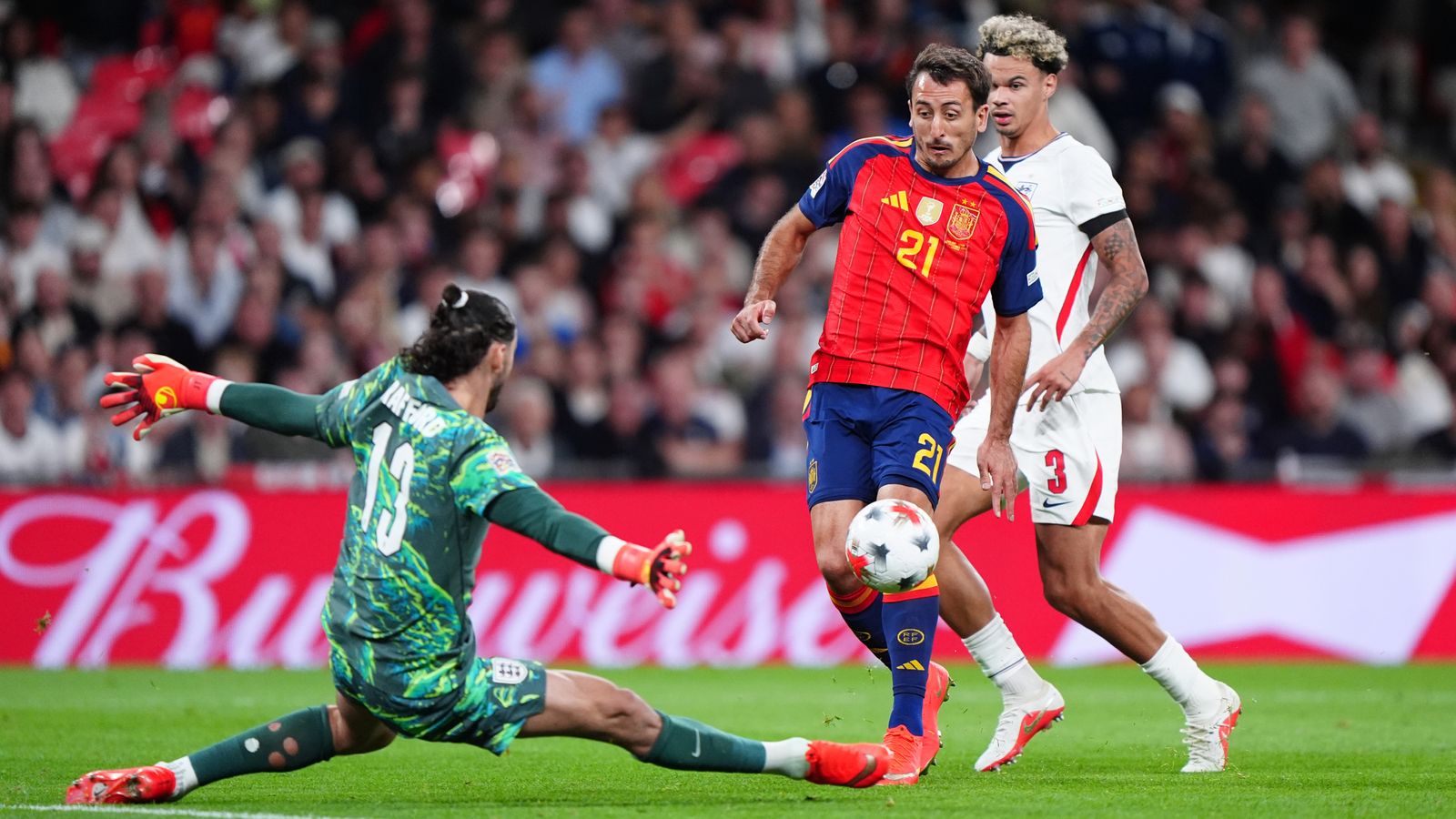
England ground out a match against Spain at Wembley on Saturday evening, but the post-match talk shifted straight to the absent Chelsea attacker. Midfield rotation looked stagnant against Spain's mid-block without Palmer's creative risk-taking in central areas.
As Mirror Football reported, Tuchel did not hide his irritation when speaking to reporters after the match about Palmer's decision to rest minor injuries.
"He misses too many opportunities, he misses way too many camps with injuries. It's not his fault."
Tuchel went further, framing international availability as an absolute prerequisite for tactical development within his squad. His message to the media was clear and uncompromising.
"I can only judge what I witness in my team. For that you have to be in camp. If you are not in camp, there is a next level you cannot achieve unless you do it in my team."
That logic sounds authoritative on a press conference mic, but it falls apart under scrutiny. Palmer is not the only star taking precautions during this window. Declan Rice, Marcus Rashford, Kobbie Mainoo, and Tino Livramento all withdrew from this squad to nurse minor physical issues.
Palmer does not owe international football his physical collapse. Staying in West London right now is the smartest career decision he could make.
Lessons from a nightmare 2025/26 campaign
To understand Palmer's decision, you have to look back at the wreckage of last season. Chelsea endured an embarrassing year, limping to a 10th place finish in the Premier League and missing out on European competition entirely.
Palmer's body betrayed him from the opening month. A groin injury sidelined him between August and November, followed immediately by a broken toe that ruined his base fitness. Later in the spring, recurring thigh and hamstring tightness stripped away his explosive sharpness.
He finished that miserable campaign with just 10 goals and one assist across all competitions. For a player who had captivated Stamford Bridge a year earlier, he looked like a shadow of himself. He was constantly playing catch-up with the physical pace of top-flight matches.
When a player spends ten months compensating for rushed returns, muscle imbalance becomes inevitable. Palmer learned the hard way that playing through minor issues wrecks entire seasons. He is not about to repeat that mistake in 2026.
Xabi Alonso's tactical demands and Palmer's early form
Chelsea's appointment of Xabi Alonso changed the physical expectations at Stamford Bridge. Alonso demands aggressive counter-pressing, rapid lateral shuttling, and relentless off-ball movement from his advanced midfield line.
Through five opening Premier League matches this season, Palmer has posted two goals and two assists. Those numbers only tell half the story of his revived influence on the pitch.
Alonso operates with asymmetrical wing-backs, allowing Palmer to drift into the right-hand half-space. From there, he orchestrates vertical passing lanes, linking with overlapping runners while maintaining the freedom to shoot across the keeper.
That role requires sharp acceleration to exploit small pockets of space between opposition defensive lines. If Palmer loses five percent of his explosive power to minor hamstring tightness, his effectiveness drops off a cliff.
When Palmer receives the ball on the half-turn, he needs maximum torque in his hamstrings to slide past pressing midfielders. Playing through tightness ruins that first touch and leaves him vulnerable to heavy tackles in transition.
The physical toll on players during this Nations League window is already obvious across Europe. Kai Havertz limped off for Germany against the Netherlands with a hamstring issue. Sunderland striker Brian Brobbey suffered identical muscle damage in the very same match.
Northern Ireland center-back Dan Ballard also picked up a hamstring injury during a 1-0 win over Georgia on Friday night. The international calendar is consuming player hamstrings at an alarming rate. Palmer was wise to step out of the firing line.
The cold reality of Tuchel's World Cup snub
Tuchel's frustration carries a double standard that Palmer certainly has not forgotten. During the summer 2026 World Cup in North America, Tuchel made the ruthless choice to leave Palmer out of the tournament squad entirely.
Palmer was not the only star discarded. Phil Foden, Trent Alexander-Arnold, and Premier League standout Lewis Hall were also left behind in a move that baffled supporters across England.
International loyalty is a two-way street. When a manager drops you from the biggest tournament on the planet, he surrenders the right to demand self-sacrifice for September Nations League matches against Czechia and Croatia.
England will survive away trips to Czechia on Tuesday, September 29, and Croatia on Saturday, October 3, without Palmer. Chelsea's domestic rebuild, however, cannot survive another extended injury lay-off for their primary creator.
Tuchel's press conference comments feel more like boundary-marking than genuine tactical analysis. He wants complete control over player availability, but club reality must take precedence.
Flaws in Chelsea's setup and what to watch vs Bournemouth
Despite their positive start under Alonso, Chelsea remain far from a finished product. Tactical flaws exist in their defensive transition mechanics that sharper teams will exploit.
When Chelsea lose possession in the central third, their pivot often leaves huge spaces open behind the midfield line. Opponents who launch direct vertical passes into those zones consistently force Chelsea's central defenders into awkward back-pedaling situations.
This vulnerability will face a direct test when Bournemouth visit Stamford Bridge on Saturday, October 10. Bournemouth break at speed through their wide transitions, targeting precisely the gaps Chelsea leave behind their advanced wing-backs.
Palmer's presence in that match will be decisive. His ability to retain possession under pressure in the middle third acts as Chelsea's primary defensive filter, preventing counter-attacks before they start.
If Palmer is fully recovered, he will pull Bournemouth's low block apart with his trademark diagonal passes into the box. If he had played three international matches in eight days, he would be chasing shadows by the 60th minute.
Here are the key tactical triggers to watch when action resumes at Stamford Bridge:
- Palmer isolating Bournemouth's left-back in early transition phases.
- Alonso's double pivot dropping deep to cover space behind attacking wing-backs.
- Chelsea's high press triggering immediately upon turnovers in the final third.
Final tactical verdict and prediction
Tuchel can vent all he wants about international duty, but Palmer's priority must be his club career. Chelsea cannot afford another 10th-place finish, and Alonso needs his best player healthy for the long haul.
The two-week recovery block at Cobham will prove invaluable. Palmer will enter the October 10 fixture against Bournemouth with fresh legs, sharp focus, and something to prove.
Expect Alonso's side to control possession, overload Bournemouth's left flank, and create high-value chances through Palmer's half-space combinations.
Prediction: Chelsea will break down Bournemouth's compact mid-block and secure a convincing 3-1 victory at Stamford Bridge, with Palmer supplying both the tempo and the decisive final pass.
Read Next
- Top 10: Top Moments from England's 3-2 Nations League Thriller Against Spain
- Jordan Pickford's two-match absence exposes Thomas Tuchel's defensive gamble
- Tuchel's England look completely rattled by Man City's guilty verdict
- Thomas Tuchel just threw England's goalkeeping hierarchy into complete chaos
- 🏴 England World Cup 2026 — Three Lions Hub
- 🏆 UEFA Nations League Final Four 2026 Hub — June 4-8, Lisbon