The status of the return
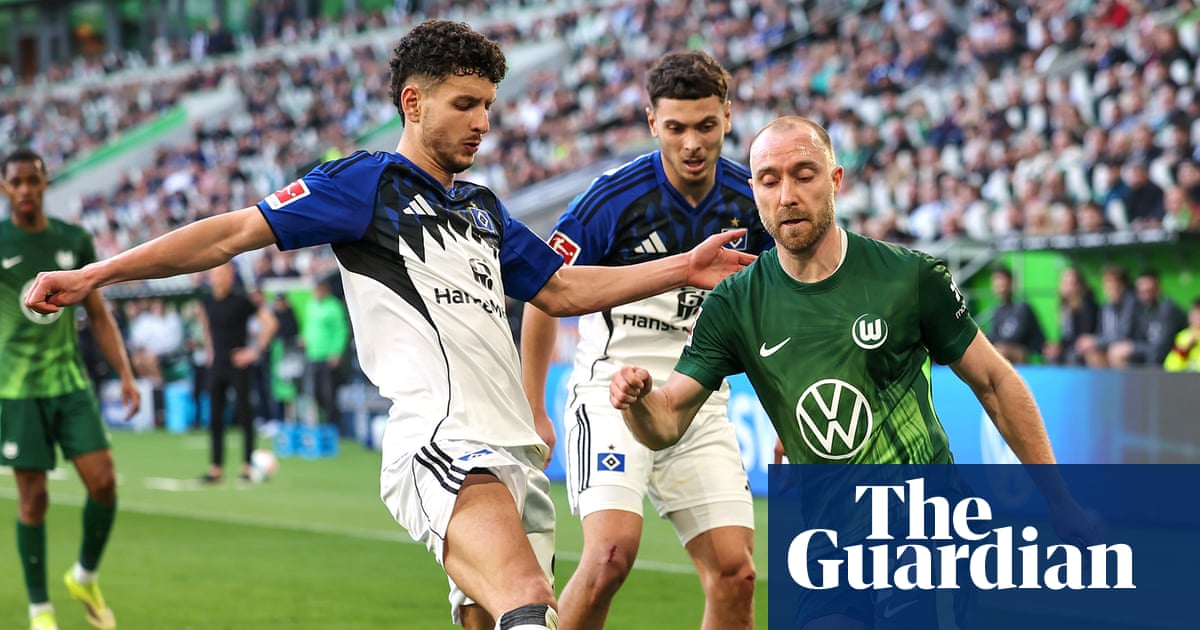
Christian Eriksen is charting a path back to professional football. This development follows his recent medical episode occurring roughly one month ago, an incident that prompted another round of public alarm regarding his physical stability on the pitch. Eriksen remains firm in his intent to compete, despite clinical observers suggesting that a repeat occurrence remains a distinct possibility.
Eriksen provided a personal update merely 24 hours after his latest hospital visit. He categorized the recent health scare as clinically distinct from his cardiac arrest during the 2021 European Championship. He insists he feels physically prepared, moving forward with plans to resume training duties immediately.
Medical reality vs sporting intent
The medical community continues to express caution regarding the long-term sustainability of Eriksen’s career. Experts have noted that the recurrent nature of his heart problems creates a shadow over each training session. The athlete maintains that his current condition is stable, yet the delta between feeling good and being physically cleared for competitive match intensity is significant.
This situation mirrors the anxiety surrounding his initial return following the 2021 collapse. At that time, many league officials and medical staff questioned the wisdom of a return. Eriksen eventually secured a clearance that allowed him to continue his professional journey with various clubs. History suggests that clubs are willing to accept the risk provided the player passes standard cardiac screenings.
The competitive landscape
Clubs facing a player with a history of heart concerns must navigate a complex legal and ethical minefield. Signing a player with a recurring issue requires specialized insurance coverage and near-constant monitoring. The industry is currently watching to see if a top-tier outfit will offer a contract despite the clear warning signs mentioned by independent cardiologists.
From a tactical perspective, Eriksen’s presence on a squad offers reliable distribution in the final third. However, his availability has become notoriously erratic. Teams counting on him as a foundational piece of their rotational depth often find their plans derailed by sudden medical absences. This creates an imbalance in squad building that few managers are truly equipped to handle.
Industry implications
The wider football market remains cautious. While the desire to see a talented playmaker perform is universal, the safety protocols are becoming increasingly rigid. Clubs are no longer merely looking at transfer fees or wage demands; they are looking at the liability involved in every minute Eriksen spends on the field.
It is worth noting that while Eriksen pushes forward, other veterans are shifting their focus as reported by recent inquiries into Wayne Rooney’s future. The contrast highlights the divergence in post-prime career paths: some look toward management, while others like Eriksen find the siren call of the pitch impossible to ignore. The risk assessment here is not theoretical; it is a calculation of how long an athlete can defy medical probability.
The current situation is far from a settled matter. While Eriksen claims to feel optimal, the frequency of his hospital visits suggests his body is sending a different signal. Observers expect him to seek a return to a lower-intensity environment initially, potentially in a league that places less physical demand on midfield pivots. If he fails to secure a spot, the narrative of his retirement may be written by his own physiology rather than his personal choice.
We have seen various Championship and European clubs managing squad turnover this summer, as noted by recent EFL updates concerning player movement. Eriksen’s unique profile makes him a polarizing target. Most clubs would prefer not to inherit a situation where their marquee signing could be forced out of the game at any moment during a 90-minute match. The tactical gamble rarely pays off if the player is unavailable for the critical closing months of a season.
The flaw in the gamble
The most glaring issue is the reliance on Eriksen’s own self-reporting to dictate medical timelines. Entrusting a player to judge their own physiological threshold after multiple cardiac incidents is a failure of oversight. If a manager relies on him for 30-plus appearances, they are essentially ignoring the data provided by previous episodes. Such a reliance is not just a tactical mistake; it is a failure to manage the health and wellbeing of a veteran athlete.