The Post-Guardiola Vacuum and the New Manchester Order
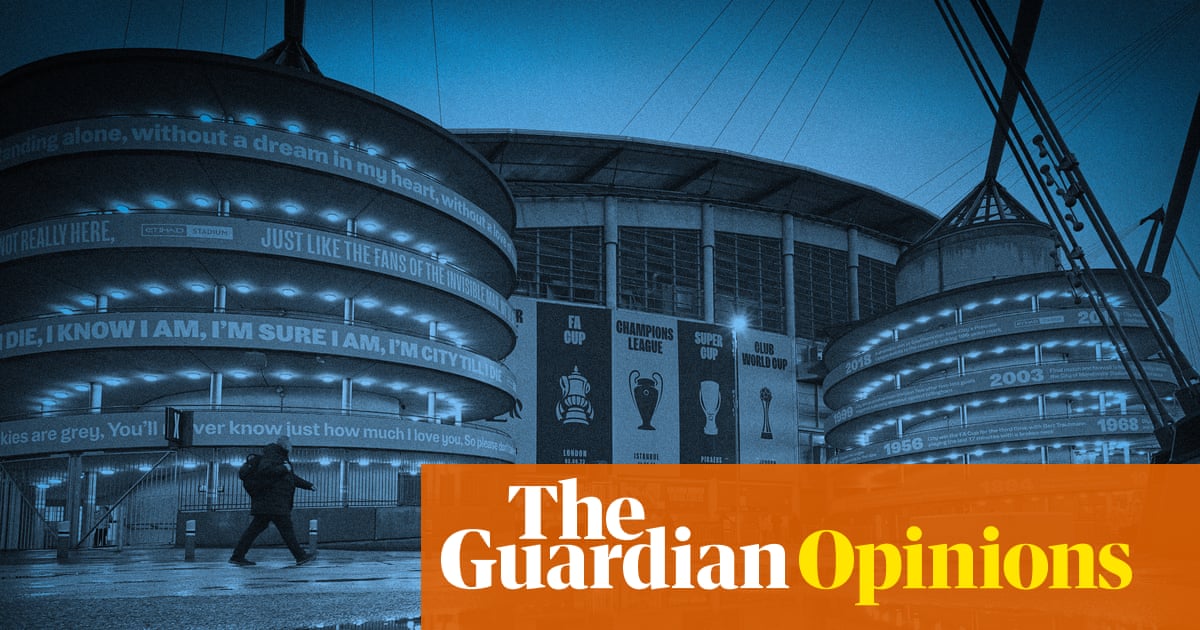
The post-Guardiola era in Manchester is no longer a distant threat; it has arrived. The confirmation of September's televised fixtures, as first reported by The Mirror, has set the board for a new tactical era in the northwest. On Sunday, September 13, Michael Carrick and Enzo Maresca will face each other in the dugouts of Old Trafford.
This match marks the first Manchester derby in a decade without Pep Guardiola pacing the technical area. For ten years, this fixture was defined by one man's obsessive demand for structural control. Guardiola's departure has left a tactical void that both clubs are desperate to fill.
City have turned to Maresca, a disciple committed to the positional play principles of his former boss. United, meanwhile, are entering their second campaign under Carrick's quiet, methodical rebuild. This is not merely a clash of local rivals fighting for city bragging rights.
It is a direct collision of two distinct philosophies of possession. United have slowly found their tactical footing under Carrick's fluid, counter-pressing blueprint. City, conversely, are attempting to sustain their mechanical dominance under a brand new system.
The stakes are raised by a congested fixture list that will test both squads immediately. The scheduling shifts, which saw Arsenal, Manchester United and Liverpool matches moved for broadcast, have added substantial pressure to United's autumn campaign. Carrick's side will see four matches moved in September, forcing them to play the day after their original slots.
With five English clubs entering the Champions League, domestic recovery windows have shrunk to a premium. Managing squad rotation during this period will define the early season trajectory for both managers.
Tactical Blueprint: Maresca's Box vs. Carrick's Block
Maresca has wasted no time implementing his signature 3-2-4-1 build-up structure at City. In possession, the right-back tucks inside alongside the lone holding midfielder to form a double pivot. This creates a central box midfield designed to overwhelm opponents who attempt to press high up the pitch.
The goal is to generate numerical superiorities in the central half-spaces before releasing the wingers. City build play with deliberate, short sequences in their own defensive third. They invite opposition forwards to commit to the press, then play through the vacated space.
In their opening fixtures, City averaged a build-up sequence of 4.80 passes before entering the attacking third. This slow, methodical approach aims to suffocate the game and minimize transition opportunities for the opponent. Carrick's United will refuse to engage in high-pressing chases.
United's defensive shape has evolved into a disciplined, narrow 4-4-2 mid-block. They focus on denying access to the central corridors rather than chasing the ball near the opponent's box. The double pivot sits deep, shielding the center-backs and restricting space between the lines.
Once possession is regained, United's transition is immediate and vertical. Carrick demands rapid forward passing to exploit the vacant spaces behind City's advanced fullbacks. The ball is funneled to the wide areas where fast wingers can run directly at the isolated center-backs.
Last season, United recorded a direct speed of attack that ranked among the fastest in the league. The key coordinator for United is the deep playmaker who triggers these vertical launches. If City's counter-press fails to disrupt this first pass, United will exploit the channels.
Carrick has drilled his wingers to make sharp inward runs the moment the transition trigger occurs. This directness represents United's best chance of breaching Maresca's defensive structure.
The Flaws in the Machine: Where Both Sides Bleed
Neither system is airtight, and both managers have exposed vulnerabilities in their defensive structures. Under Maresca, City's rest defense has looked remarkably brittle. When their central box midfield loses the ball under pressure, the defensive line is left exposed.
The center-backs must defend massive channels without cover, a problem that plagued them during pre-season matches. A clear example occurred in their recent friendly match against Coventry City. A simple diagonal pass bypassed City's counter-press, leaving the center-backs defending a two-on-one transition.
If United can replicate those direct pass paths, their wingers will have clear runs at goal. Maresca's insistence on high-line positioning could prove costly against Carrick's direct attackers. United, however, have their own systemic flaws that City will target.
Carrick's defensive block tends to over-compensate on the side of the ball, leaving the far flank completely open. Quick, diagonal switches of play often catch United's defensive line before they can shift. The far-side fullback is frequently left in a two-on-one situation against an overlapping defender and a winger.
This exact defensive failure cost United during their match against Aston Villa last May. A rapid cross-field switch allowed Villa to score the equalizer in the 88th minute of play. Maresca's tactical analysts will have identified this lateral shifting delay as a primary avenue of attack.
City will look to exploit this with swift, horizontal ball movement to isolate United's fullbacks. Furthermore, United's defensive transitions can disintegrate if their double pivot is bypassed. The space between the midfield line and the defensive line can become a massive vacant zone.
If City's advanced midfielders can locate these pockets, United's center-backs will be forced to step out, leaving space behind. This defensive vulnerability remains Carrick's biggest unresolved issue.
The Battle of the Half-Spaces and the Verdict
The outcome of this derby will be decided in the half-spaces. City's advanced midfielders are instructed to position themselves between United's fullbacks and center-backs. They look to receive the ball on the half-turn and slide passes behind the back four.
Preventing these central combinations will require absolute discipline from United's defensive midfielders. Carrick will likely instruct his wide players to drop deep and support the defensive block. This will reduce United's immediate counter-attacking threat but is necessary to prevent City from establishing central dominance.
The match is bound to resemble a chess game, with both teams waiting for the other to break structure. The timing of this derby adds another layer of complexity. Coming immediately after the international break, both managers will have limited training time with their squads.
Physical fatigue and travel schedules will heavily influence the selection and intensity of both teams. The manager who adapts best to these external constraints will claim the advantage. While United's direct transition game will cause moments of panic, City's technical quality should prevail.
Maresca's midfield box will gradually wear down United's mid-block over the course of the ninety minutes. Once the physical intensity of United's press drops, City will find the decisive passing lanes. We predict a narrow 2-1 victory for Manchester City at Old Trafford.
Maresca will secure his first derby triumph by exploiting United's lateral shifting issues late in the second half. Carrick's rebuild remains promising, but City's possession machine still possesses too much precision in key moments.
Read Next
- Man United make contact for Tchouameni but salary demands stall dream deal
- Why Folarin Balogun is the wildcard Tottenham need to rebuild their attack
- Why Folarin Balogun is the wildcard Tottenham need to rebuild their attack
- Why Jaidon Anthony makes Brentford a nightmare matchup for De Zerbi's Spurs