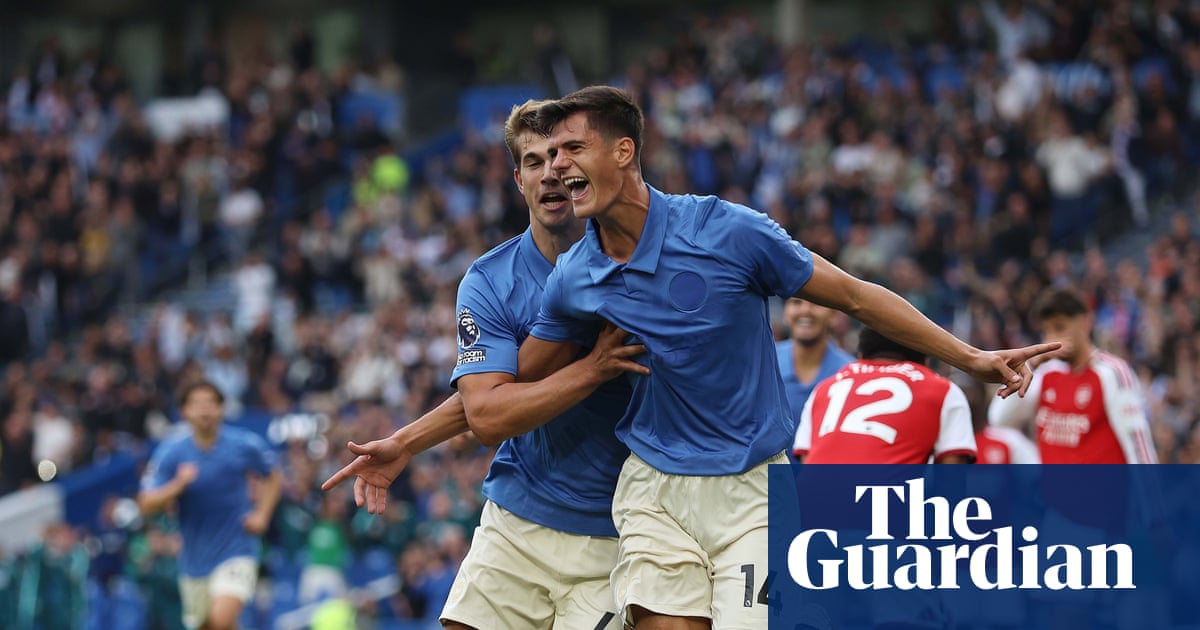
Carlos Baleba injury concerns mount at Brighton
Carlos Baleba has sustained an ankle injury, leaving Brighton’s midfield depth under immediate pressure as the new season nears. Sources within the club confirm the injury occurred during training this week. Medical staff are currently evaluating the severity of the damage to determine if surgery or conservative rehabilitation is the path forward.
The timeline for recovery remains unclear, though ankle ligament injuries of this nature typically sideline professional footballers for 4 to 8 weeks. Missing the start of the campaign is a nightmare scenario for Fabian Hurzeler, who identified the 22-year-old as a primary disruptor in the middle of the pitch. The coaching staff is now recalculating their opening-day configurations.
The strategic vacuum in the Brighton midfield
Losing Baleba disrupts the transition game that Brighton has refined over the last two years. He offers a specific profile—physicality in the tackle combined with the ability to carry the ball out of pressure zones. Without him, the team lacks a natural foil for their more creative, technical midfielders. The club’s tactical flexibility suffers when he is unavailable.
This injury highlights a persistent issue with squad rotation during high-intensity preseason blocks. Clubs are increasingly walking a tightrope between building fitness and protecting assets from soft-tissue or impact injuries. Brighton has dealt with similar setbacks in previous windows, often forcing them to accelerate the integration of younger academy prospects or pivot to late-market reinforcements.
Historical context and market implications
Injuries during the final stages of preseason have historically derailed Brighton’s early-season momentum. When key defensive-minded midfielders are absent, the team’s defensive structure often requires a complete overhaul to compensate. Expect the club to lean on existing veterans while monitoring the late transfer market for stop-gap cover if the initial scans reveal a multi-month absence.
The financial impact of a prolonged injury is not trivial, especially with the current transfer window activity surrounding the club. If Baleba is out past September, Brighton’s negotiating position for potential replacements weakens significantly. Competitors know when a club is desperate, and Brighton’s need for cover could lead to inflated fees for secondary targets.
Critical assessment of preseason protocols
Questions will inevitably arise regarding the intensity of the current training regime. While conditioning is vital, the recurrence of lower-body injuries across the squad suggests a potential disconnect between the medical department’s load management and the manager’s high-energy tactical demands. A failure to balance these two priorities has already cost the team results in previous seasons.
The reliance on a thin rotation of central midfielders is an organizational oversight that dates back to the previous campaign. While the club has prioritized long-term development, the lack of an immediate, experienced backup for Baleba is a clear tactical flaw. Management must address this depth chart issue before the deadline, or the upcoming 38-game season could see the side struggle to maintain their competitive standard against top-half opponents.
What this means for the opening weekend
Hurzeler now has to decide between shifting a center-back into a holding role or fast-tracking a youth player. Neither option matches the impact of a healthy Baleba. Expect a more cautious, defensive setup against opening-day opposition as the team compensates for the missing bite in the center of the park. Fans should anticipate a less fluid attacking performance while the midfield chemistry is forced to reset.