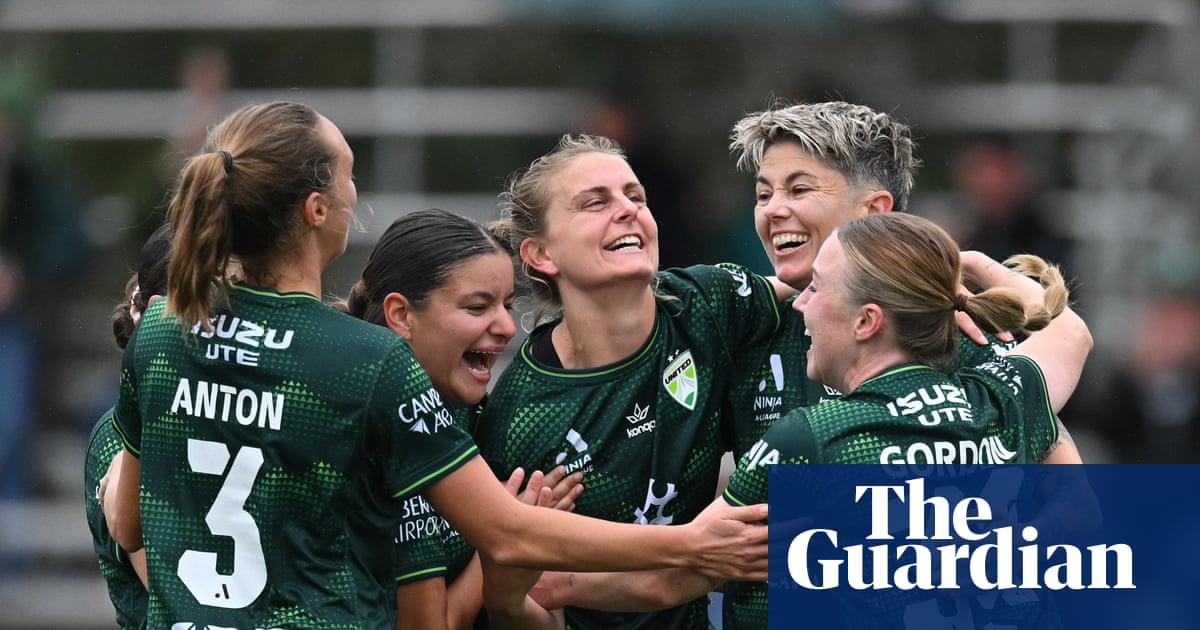
Stability arrives for Canberra, yet questions loom
The announcement that Canberra United has secured a new owner via the Australian Sports Group is, on the surface, a win for continuity. For two years, the club existed in a state of suspended animation under Capital Football, plagued by administrative instability that bled onto the pitch. Securing a license should provide a foundation, but professional sport in the A-League thrives on more than just fiscal solvency.
The two-time champions have been an essential part of the women’s game since 2008. Anyone who watched their disjointed performances last season will know that a change of ownership does not magically repair tactical incoherence. The team finished their recent campaign looking physically fatigued and tactically rudderless, struggling to bridge the gap between their historic identity and the modern, high-pressing reality of the current league.
The Men's team question
The Australian Sports Group holds an option to introduce a men’s side for the 2028/29 season. While some view this as progress, it feels like a premature conversation given the current state of Canberra United's transition. Expanding the footprint before fully optimizing the existing women’s professional environment is a recurring error in Australian football. Establishing a men’s club requires a significantly higher operational budget and a scouting network that, at present, does not exist.
We have seen other franchises attempt this dual-gender pivot with varying degrees of success. Often, the men’s side consumes the bulk of the resources, leaving the women’s team to face budget cuts that sabotage their competitive integrity. If the owners are serious, they must show their hand regarding investment in the women’s football department before mapping out a path for a men’s entry.
The tactical hurdles ahead
On the pitch, the side requires a complete overhaul to compete with the likes of Melbourne City or Central Coast. Last year, the team’s pass completion rate often dipped below 70 percent in the final third, a staggering metric for a club with such a rich history. They lacked a discernible trigger for defensive transitions, often caught between sitting in a low block and attempting an aggressive press they lacked the speed to sustain.
The ownership transition must be matched by a technical director who understands these mechanical failings. Without a recruitment strategy focused on pace in the wide channels and a holding midfielder capable of navigating pressure, the team will continue to struggle. A new badge on the kit and a new balance sheet are irrelevant if the ball-progression numbers don’t shift.
Prediction: A slow climb back
I am keeping my expectations grounded for the upcoming season. Supporters deserve better than the uncertainty of the last 24 months, but the ownership change is merely a administrative hurdle cleared, not a trophy secured. New owners historically overestimate their ability to influence on-field results in the short term. Expect a mid-table finish as the club balances the books and tries to find a cohesive tactical identity under the new regime. It is a necessary reset, but not an immediate fix.