Sixty-nine years is an eternity in international football. On Monday, football's world governing body gathered for a special virtual meeting run from its Zurich headquarters and ended the UK's longest tournament drought. England, Northern Ireland, Scotland, and Wales were officially ratified as joint hosts for the 2035 Women's World Cup, as confirmed by Fifa.
It marks the first time any football World Cup will take place on British soil since 1966. Nobody had to sweat through a tense ballot. The four home nations walked into the room as the only bidders on the slate, turning what used to be a cutthroat political scrap into an uncontested coronation.
Fifa also approved another joint tournament during the same session. The 2031 finals went to the United States, Mexico, Costa Rica, and Jamaica. That North American tournament will be the first edition to feature 48 teams, giving British organizers four years to study how an expanded field operates before taking their turn.
Over 39 days, supporters across four nations will take in a massive slate of 104 matches. Managing that schedule across four borders will test travel connections and squad depth to the limit.
For English administrators, Monday's decision delivered long-delayed redemption. England failed in solo bids to host the men's World Cups in 2006 and 2018. A planned UK and Republic of Ireland bid for the 2030 tournament was eventually abandoned before reaching a vote.
Patience and an uncontested ballot finally delivered the prize. The home nations built credibility by hosting fixtures at the men's Euros in 2021 and staging the women's European Championship in 2022, which the Lionesses won. With England, Scotland, Wales, and the Republic of Ireland also co-hosting the men's Euro 2028, organizers have a ready-made operational rehearsal.
Fourteen English Grounds and a Glaring Geographic Split
The official 'All Together' bid proposal maps out 19 match venues across the four nations. Yet glance at the distribution map, and the balance of power is immediately obvious. England claims 14 confirmed stadiums, leaving its three smaller partners with mere regional scraps.
London alone gets four grounds: Wembley, the Tottenham Hotspur Stadium, Emirates Stadium, and Selhurst Park. The rest of the English list stretches across the country, featuring Villa Park, Ashton Gate, The Amex, Elland Road, the City Ground, and the Stadium of Light.
Manchester features with both the Etihad Stadium and Old Trafford. If Manchester United's proposed new stadium does not proceed, Old Trafford will stage matches in its current form. Everton's new Hill Dickinson Stadium and Newcastle's St James' Park complete the English roster.
By contrast, Scotland and Wales each receive just two stadiums. Scotland will stage matches at Hampden Park in Glasgow and Easter Road in Edinburgh. Wales will split its fixtures entirely within Cardiff, using Cardiff City Stadium and the Principality Stadium.
Northern Ireland sits at the very bottom of the ledger. Belfast gets a single venue at a redeveloped Windsor Park. Northern Ireland missed out on co-hosting the men's Euro 2028 tournament after the UK government said in 2024 it would not provide funding to redevelop Casement Park in time. Windsor Park now carries the burden of keeping Belfast on the World Cup map.
Organizers could still add three extra grounds: Birmingham's new Powerhouse Stadium, Wrexham's redeveloped Racecourse Ground, and a potential new Chelsea ground. If approved, those additions would take the tournament to 16 host cities and 22 grounds.
The current stadium blueprint breaks down into a clear four-tier hierarchy:
- England: 14 stadiums, including Wembley, Old Trafford, St James' Park, and Villa Park
- Scotland: Hampden Park in Glasgow and Easter Road in Edinburgh
- Wales: Principality Stadium and Cardiff City Stadium
- Northern Ireland: Windsor Park in Belfast
This heavy English weighting creates an uncomfortable reality for tournament organizers. The bid carries the 'All Together' banner, but English cities dominate the calendar. Ensuring the other three nations do not feel like decorative regional footnotes will require careful fixture distribution.
The Automatic Qualification Dilemma and the Competitive Gap
The most contentious issue is sporting rather than architectural. Fifa confirmed it has not yet decided whether all four co-host nations will qualify automatically for the final tournament. Giving four automatic spots to a single European bloc would trigger intense pushback from rival confederations.
Confederations across Africa, Asia, and the Americas fought hard for additional slots when the tournament expanded to 48 teams. Watching Europe take four free passes without playing qualifiers would be deeply unpopular. Fifa now faces a delicate political balancing act.
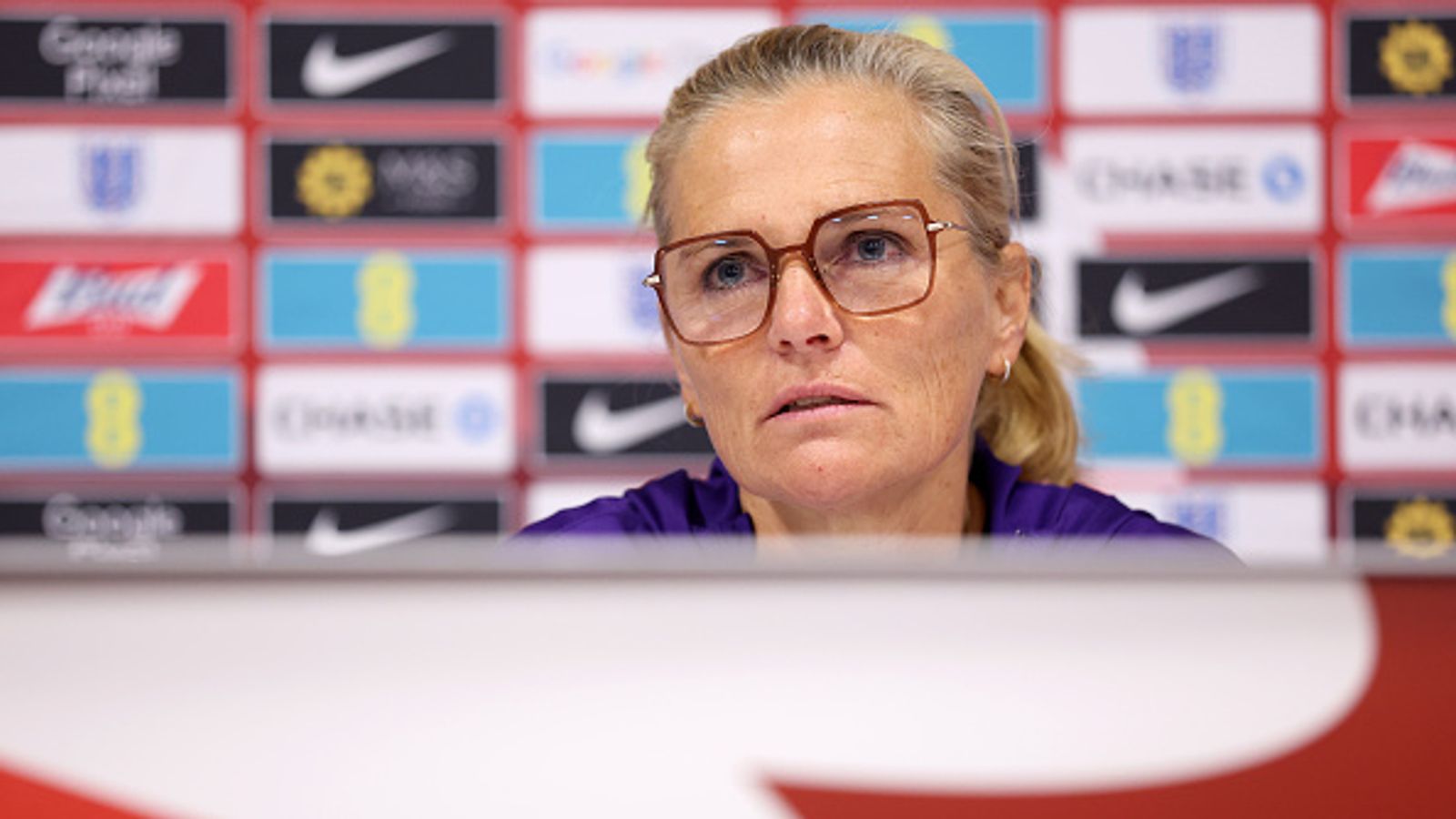
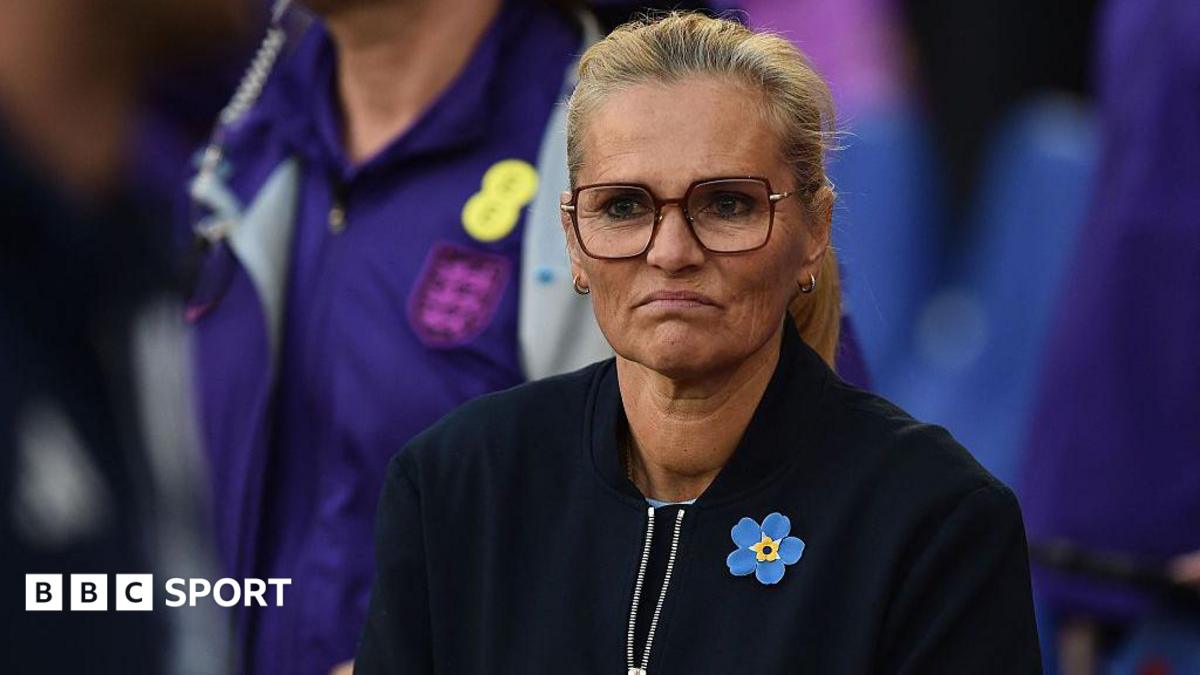
For England, the debate is largely academic. The Lionesses won Euro 2022 on home soil and reached the 2023 World Cup final, where Spain beat England 1-0. Sarina Wiegman's side possesses the depth to qualify through normal European pathways regardless of hosting status.
The story is drastically different for the other three hosts. Scotland, Wales, and Northern Ireland face steep challenges during traditional qualifying. Direct entry into a 48-team tournament guarantees packed home turnstiles, but it also carries serious sporting risks on the pitch.
Football Association chief executive Mark Bullingham pointed to the precedent set by their previous triumph: "Hosting Euro 2022 allowed us to change the game in our country, by creating a generation of aspirational role models and growing demand from women and girls to play. Hosting a World Cup would give us the chance to build on that across all four nations."
"Wales has been a football nation for 150 years and we have never hosted anything on this scale," said Noel Mooney, chief executive of the Football Association of Wales. "World Cup football played here, in front of Welsh children, would change what this game looks like in Wales: in the clubs, in the schools, and in the number of girls who grow up seeing a pathway into it."
Irish Football Association chief executive Patrick Nelson emphasized that the event "would be felt in every club and every age group, in every part of the country." Nelson added: "Our young players would grow up having watched the best in the world play at home, and there is no substitute for that."
Scottish Football Association chief executive Ian Maxwell called the event "the most significant thing to happen to the women's and girls' game in Scotland." Maxwell noted that "the impact would go far beyond just the matches themselves. The level of investment into coaching, facilities and player pathways in the years beforehand will shape the future of the game for the generations to come."
Inspirational rhetoric from executives cannot hide competitive realities. Scotland, Wales, and Northern Ireland have often struggled against elite international opponents. Facing powerhouse sides like Spain without earning qualification on merit could result in bruising group-stage mismatches.
Tax Demands, Risk Warnings, and Unresolved Guarantees
Behind the celebratory announcements sits a sober legal evaluation. In its official assessment published earlier this month, Fifa awarded the British bid a score of 4.3 out of five. Yet inspectors classified the contractual framework as a "medium risk" due to unresolved government stipulations.
As a BBC Sport report noted, Fifa pointed out that "certain government guarantees contain material qualifications, particularly regarding tax and safety and security." That friction stems from Fifa's standard demand for tax-free status on all tournament-related commerce, a perk British financial authorities rarely grant without extensive negotiations.
Fifa's legal team detailed the standoff in its bid evaluation: "The bidder has submitted an extensive set of government support documents and contractual hosting agreements, demonstrating the commitment of the relevant authorities and stakeholders. However, certain government guarantees, particularly those relating to safety and security and tax, contain certain qualifications which have been duly noted in the legal evaluation."
The governing body stopped short of treating these issues as deal-breakers. The report noted that "the bidder's proactive engagement with Fifa and the substantial lead-in time provide a sound basis for resolving these outstanding issues." With nine years remaining, negotiators have ample room to resolve the disputes before matchday operations begin.
Securing the tournament without facing a single rival bidder spared the home associations a bruising international fight. Yet that uncontested path also masked hard questions about stadium funding, tax breaks, and venue distribution. Winning the bid was the easy part; delivering a balanced tournament across four borders will be the real test.
Read Next