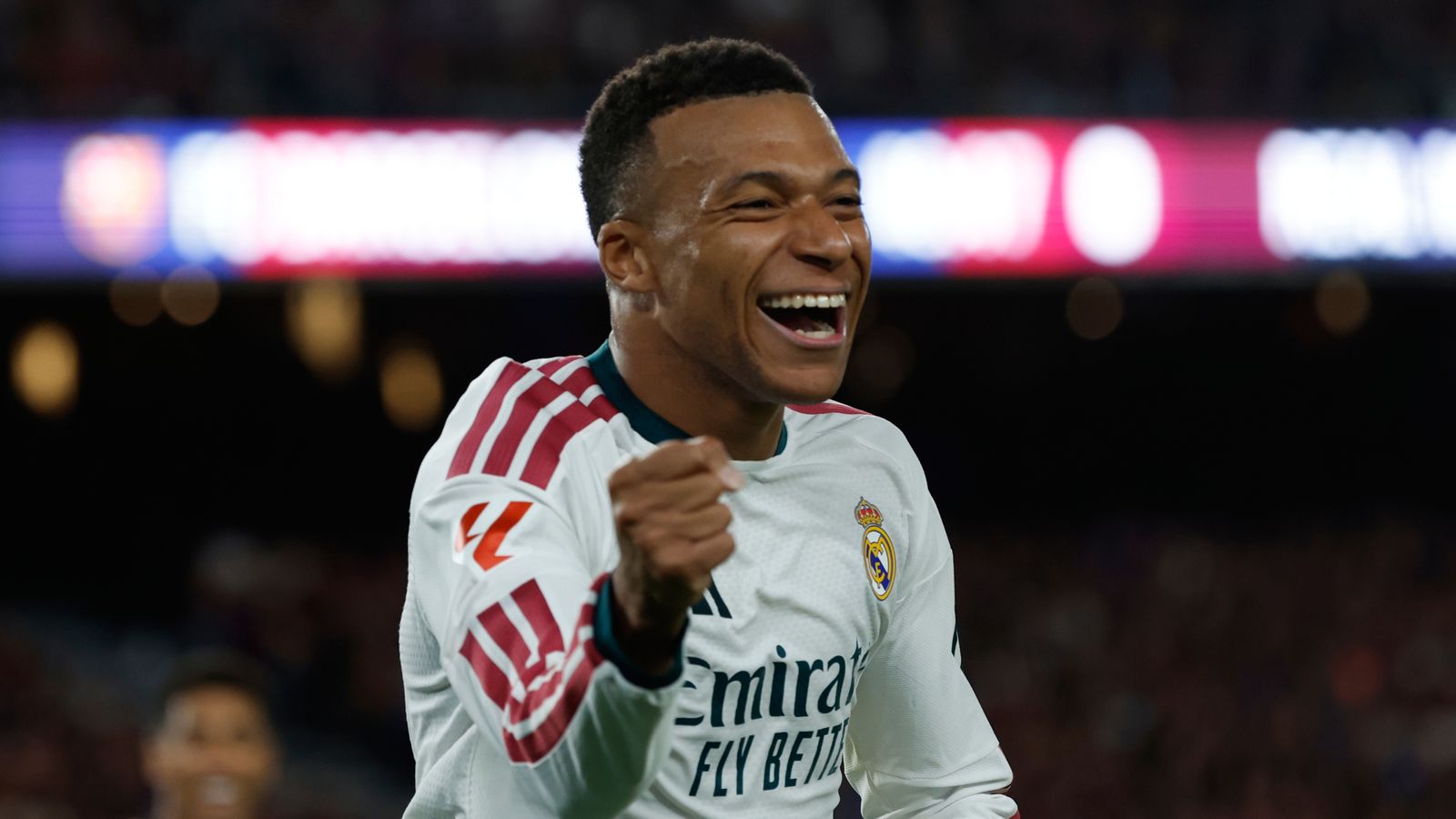
Barcelona's medical room has officially run out of beds. Hansi Flick is staring at an outright defensive emergency after Jules Kounde, Eric Garcia, and Andreas Christensen were all wiped out by injuries simultaneously. With three senior central options sidelined at once, the Catalans are heading deeper into November completely stripped of backline insurance.
The breakdown comes at the absolute worst moment for Flick. Barcelona entered the November 2026 international break with their defensive hierarchy reduced to rubble. It leaves the manager scrambling for makeshift solutions while sporting director Deco attempts to salvage the season in the upcoming January transfer market.
Flick addressed the mounting defensive disaster candidly ahead of their match against Alaves on 31 October. The German coach confirmed that the club’s sporting department had already sanctioned an emergency mid-season signing to stop the bleeding.
Speaking before that Alaves clash, Flick laid out the reality facing the Camp Nou hierarchy:
"We always talk about what’s best for the team and how we can improve. We’re working on it. We’ve spoken with Deco, Bojan, and my coaching staff. If it’s possible, we’ll do it."
That public admission sounded the alarm bells across European football. While the medical staff works behind closed doors to rehabilitate Kounde, Garcia, and Christensen, the expected recovery timelines offer little comfort. None of the trio is guaranteed to return to peak match sharpness before the festive fixture pile-up begins, forcing an immediate recalibration of their winter plans.
The Cost of Reckless Summer Spending
Let us be entirely honest about how Barcelona arrived at this crisis. This injury wave was not just bad luck. It was the direct consequence of negligent squad planning during the summer transfer window.
Instead of reinforcing a backline that lost seasoned campaigner Inigo Martinez, Deco and the board went on a vanity shopping spree in attack. They splashed serious funds on Gabriel Jesus, Karim Adeyemi, and Anthony Gordon. Then they poured whatever financial reserves they had left into signing former Ballon d'Or winner Rodri to anchor the midfield.
The attackers look great on promotional posters. But neglecting the defensive core was an inexcusable roll of the dice. By failing to sign a commanding centre-back, Barcelona left Flick walking a high-wire without a safety net.
The moment muscular strains and physical fatigue caught up with Kounde and Christensen, the entire tactical structure collapsed. Garcia cannot carry the central load alone, and now all three are incapacitated together. It is an indictment of Barcelona's roster construction that a single cluster of injuries has left an elite club completely exposed.
To make matters worse, Barcelona have handcuffed themselves financially. As reported by Spanish outlet La Vanguardia, the Catalans operate under strict La Liga financial constraints that dictate they can only make incoming signings in January if they offload players first. There is no money left in the safe.
The January Target List and the City Dilemma
Deco's whiteboard for the winter window is ambitious, yet deeply complicated by economic reality. As detailed by Football365, Barcelona have compiled a wishlist featuring Josko Gvardiol, Alessandro Bastoni, Lisandro Martinez, and Natan.
The dream target is Gvardiol. The 24-year-old Croatian offers the exact balance Barcelona crave: an aggressive, left-footed central defender who can effortlessly slide over to left-back. But acquiring him from Enzo Maresca's Manchester City is practically a fantasy under regular market conditions.
Juan Jimenez, the editor-in-chief of AS, highlighted Barcelona's long-standing admiration for the defender:
"The Croatian was the ideal profile Barça was looking for: an experienced left-footed centre-back despite his age (24) who could also play as a left-back."
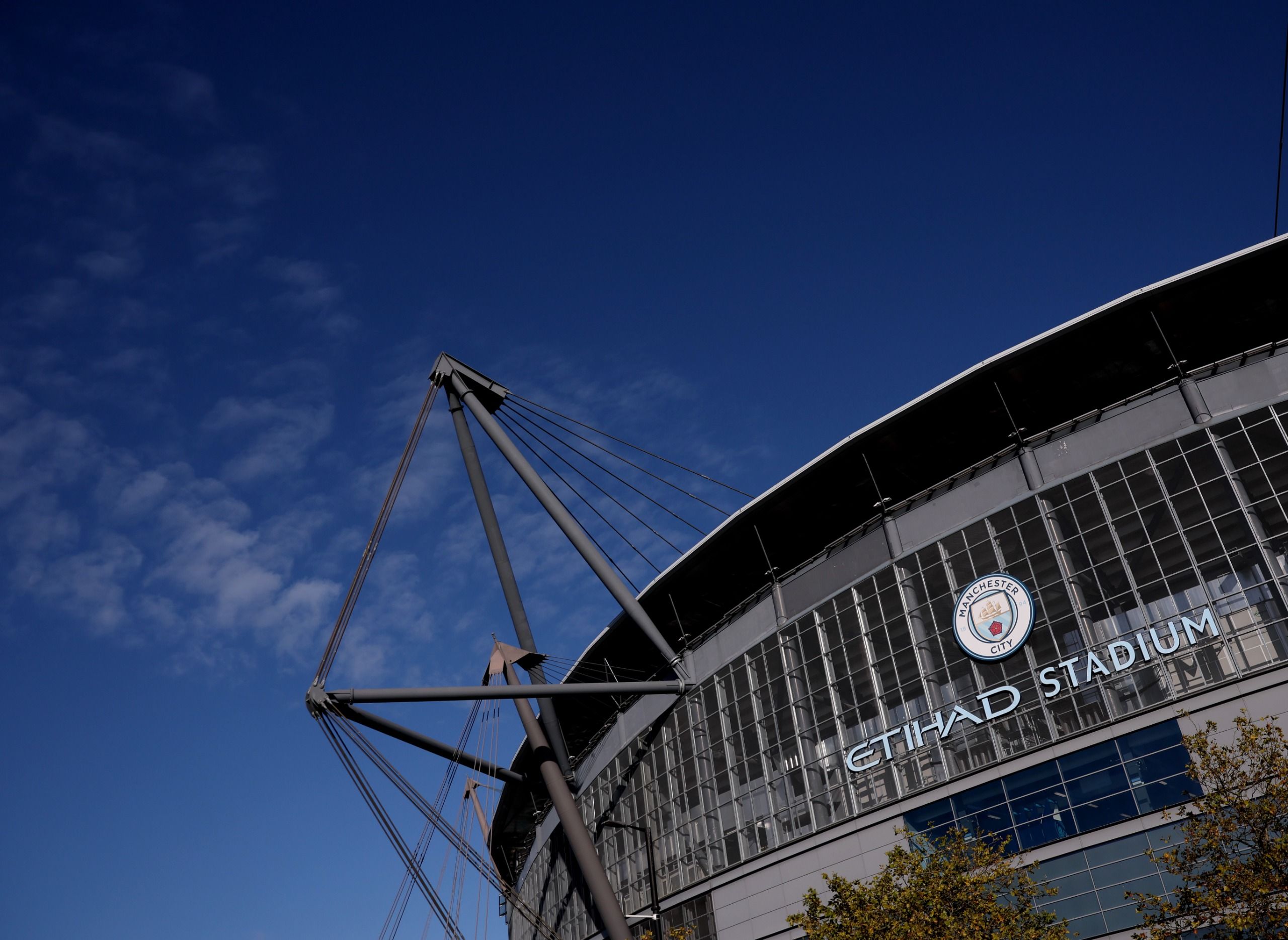
Gvardiol signed an extension keeping him tied to City until 2031. City have zero sporting incentive to negotiate a mid-season sale for one of European football's premier defenders. Jimenez noted that a deal remains impossible unless the internal climate at the Etihad Stadium deteriorates rapidly.
Yet Barcelona are watching Manchester with predatory interest for reasons outside the pitch. As reported by FourFourTwo, City are engulfed in an escalating legal standoff over more than 100 alleged financial breaches between 2009 and 2018.
Investigative reporter Nick Harris recently revealed that agents representing City's stars are already testing the legal waters. Intermediaries are examining whether players could walk away on free transfers under FIFA's Regulations on the Status and Transfer of Players should City lose their appeals and suffer catastrophic sporting sanctions.
Harris reported that Real Madrid president Florentino Perez is increasingly confident of signing Erling Haaland under that exact legal backdrop. Barcelona directors are privately wondering if Gvardiol could become entangled in a similar fire-sale if Manchester City's legal avenues fail down the line.
Alternative Options and Historical Precedents
Banking on another club's regulatory destruction to solve an immediate fitness crisis is a desperate gamble. Flick needs defenders who can put boots on the grass in December and January, not legal theories that could take years to arbitrate.
Historical precedents show how dangerous defensive shortages can be for title contenders. When European heavyweights lose three senior centre-backs at once without adequate cover, campaigns unravel rapidly. We saw this with Liverpool in 2020-21, where an emergency winter scramble for stopgap defenders barely salvaged Champions League qualification.
Deco had already pursued Alessandro Bastoni last season, but walked away when Inter Milan demanded an exorbitant fee. Jonathan Tah at Bayern Munich has also surfaced as a target, but at 30 years old, luring him away mid-season appears unlikely. Tottenham's Pedro Porro has gained traction internally as well, though he solves a wider full-back issue rather than the central defensive void left by Kounde and Christensen.
That leaves Barcelona looking at high-risk, short-term alternatives. Natan and Lisandro Martinez have been discussed as potential loan options, but top European clubs rarely loan quality central defenders midway through a grueling campaign.
Tactical Survival and the Road Ahead
The wider footballing world has taken note of Barcelona's vulnerabilities. The ongoing mid-international break discussions on podcasts like The Guardian highlight how quickly elite dressing rooms can unravel when injuries strip away structural coherence.
Flick has built an energetic, high-pressing side that demands complete defensive commitment. Without Kounde’s recovery pace and Christensen’s positional intelligence, playing an aggressive offside trap becomes borderline suicidal against elite transitional attacks.
Every point dropped between now and the winter market will fall squarely on the shoulders of the sporting department. Deco prioritized glitz and star power over basic positional depth. Now, the club doctor holds more power over Barcelona's season than their multi-million-euro frontline.
Until Kounde, Garcia, or Christensen clear medical protocols, Flick will have to rely on academy graduates and uncomfortable tactical compromises. If Barcelona fail to navigate this defensive blackout, their summer transfer strategy will go down as one of the most reckless administrative gambles in recent memory.
Read Next
- Vinicius Jr admits Arsenal links shook him as Diomande steals his spot
- Why Arsenal thinking they can sign Vinicius Junior is pure fantasy
- Why Arsenal's £60m benchwarmer exposes their broken January transfer plan
- Man United are chasing Nico Paz while their dressing room burns
- ⚽ La Liga 2025-26 — Title Race Hub