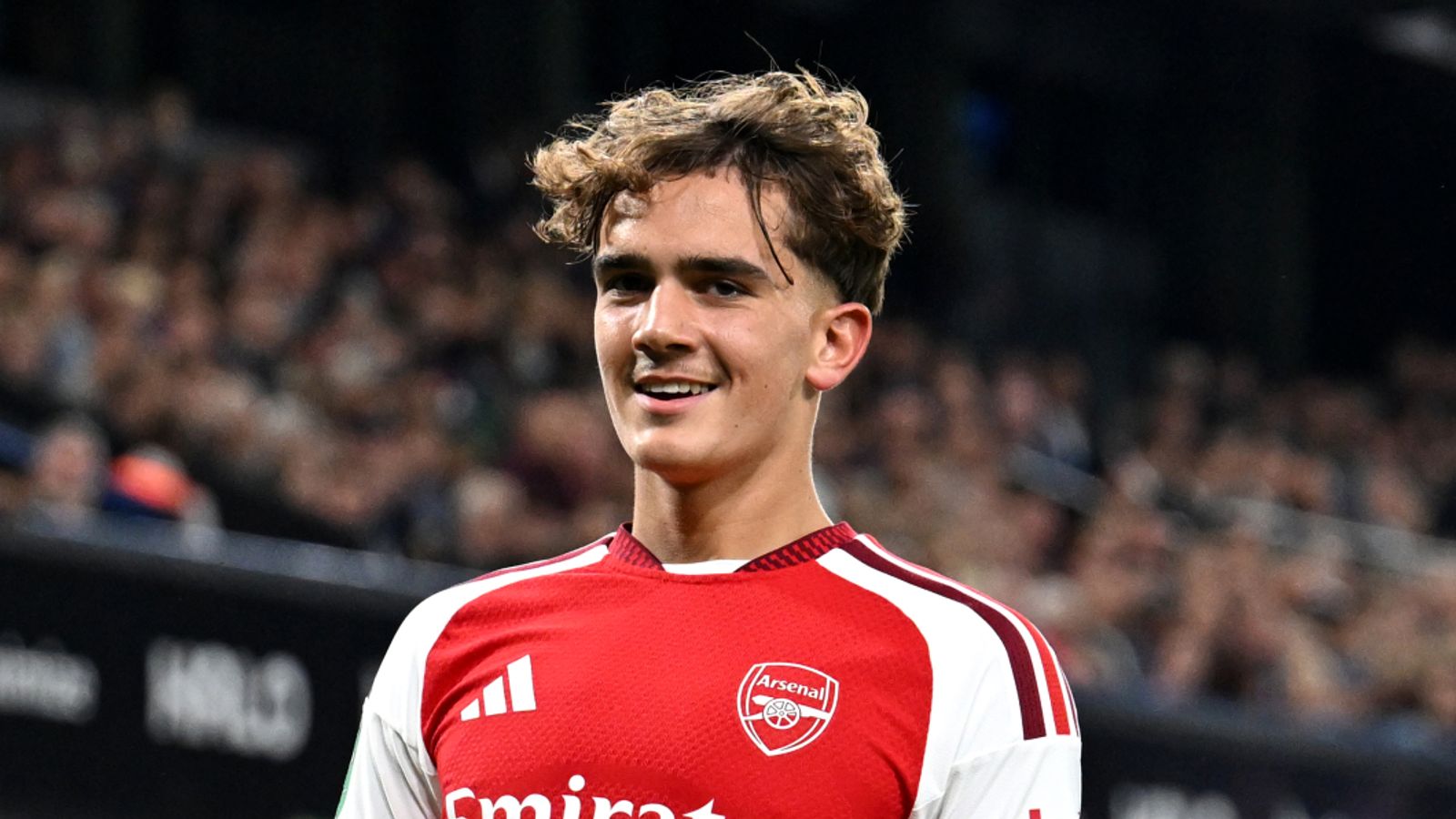
Pre-season setback forces tactical re-evaluation
Mikel Arteta enters the 2026-2027 campaign bearing the weight of expectation as the Premier League's top managerial figurehead. But as Arsenal fine-tune their preparations this August, tactical adjustments are already underway following a frustrating fitness setback during pre-season training. The Gunners manager is now forced to adapt his tactical blueprint before a single competitive ball has been kicked.
The issue surfaced during London Colney drills this week, where key personnel suffered physical setbacks that disrupt the team's structural fluidness. While medical staff evaluate the exact recovery timelines, early assessments point toward a multi-week rehabilitation phase. Arsenal's medical team remains cautious, refusing to rush players back ahead of an grueling 10-month domestic and European calendar.
Arteta's tactical system relies heavily on automated patterns and intense physical pressing. Losing key figures during the primary conditioning phase directly undermines the structural synchronization built over the summer. The coaching staff must now pivot toward contingency setups to navigate the opening fixtures of the league schedule.
Historical precedent and squad depth tests
Arsenal are no strangers to early-season fitness disruption. Similar physical setbacks compromised the opening month of their previous campaigns, forcing Arteta into reactive selections rather than proactive tactical evolution. As BBC Sport recently revisited, squad availability during crucial transition periods frequently dictates title momentum.
During the 2024-2025 campaign, early hamstring issues severely limited squad rotations in August and September. That stretch cost Arsenal vital points away from home, establishing a pattern Arteta is desperate to avoid repeating. The current medical update serves as a stark reminder of how fragile elite depth can be under high-intensity pressing demands.
Competitors like Manchester City and Liverpool have historically managed pre-season load distribution with surgical precision. Arsenal's inability to exit August unscathed puts immediate pressure on their secondary options. The fringe players called into the starting eleven must absorb complex tactical instructions without the benefit of full pre-season minutes together.
Strategic implications for August fixtures
The immediate fallout lands directly on Arsenal's opening Premier League matches. Arteta had planned to introduce a modified build-up shape featuring inverted full-backs playing higher up the pitch. Without key starters at peak physical capacity, that blueprint goes back onto the tactical shelf.
Instead, expect Arsenal to revert to a more conservative mid-block structure during the first 2 weeks of the season. Risk mitigation will take priority over high-risk positional rotations. Medical projections suggest full operational fitness might not return until after the early September international break.
This conservative approach carries risk. Dropping points in August puts Arsenal on the back foot early in a title race where the winner traditionally clears 90 points. Arteta's willingness to adapt under pressure will face its first major test against opposition tailored to exploit uncoordinated pressing structures.
Broader impact and physical load management
Modern elite football continues to push human physiology to its absolute breaking point. Expanded international tournaments and condensed summer tours leave players with less than 21 days of complete rest before pre-season conditioning begins. Arsenal's current predicament highlights the ongoing struggle top clubs face in load management.
The club's heavy investment in sports science and performance tracking was supposed to minimize soft-tissue breakdowns. Yet, high-velocity running metrics in modern training regimes continue to trigger muscular overloads. The medical department at London Colney faces growing scrutiny over training intensity levels during peak summer heat.
If Arsenal cannot stabilize their fitness metrics, the club risks compounding minor setbacks into long-term chronic issues. Arteta knows all too well that championships are rarely won in August, but they can easily be damaged by mismanaged recovery timelines.
Read Next
- Arsenal heading to Girona proves pre-season friendly madness is in full effect
- Arsenal face tactical reshuffle as Mikel Arteta copes with key pre-season setback
- Arsenal's transfer strategy is becoming a beautiful, chaotic fever dream
- Arsenal eye a trio of targets to bolster title push
- ⭐ UCL 2026 — Champions League Quarter-Finals Hub