Pre-season setback forces Tactical Re-evaluation
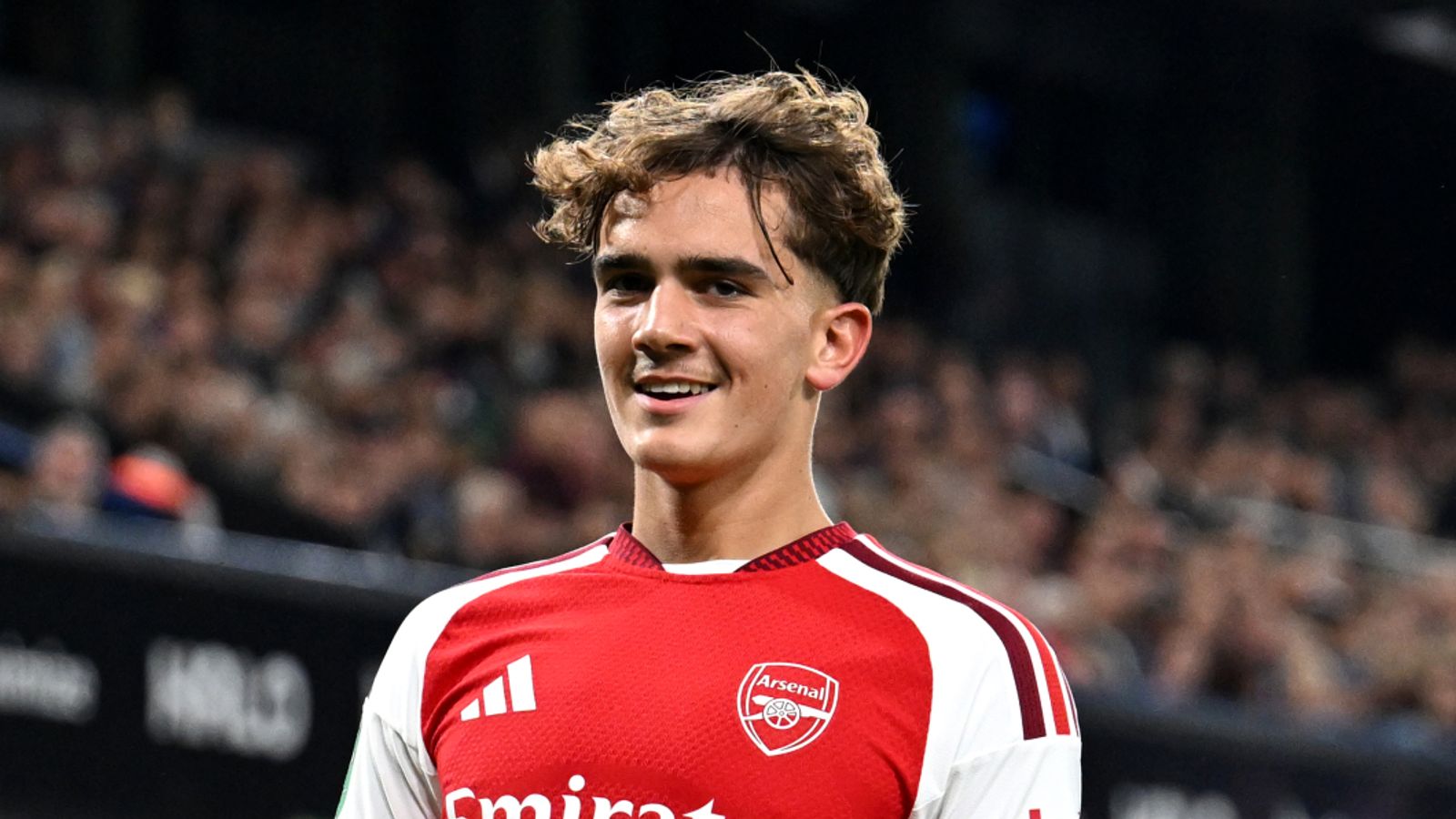
Mikel Arteta enters the 2026-2027 campaign bearing the weight of expectation as the Premier League's top managerial figurehead. But as Arsenal fine-tune their preparations this August, tactical adjustments are already underway following a frustrating fitness setback during pre-season training. The Gunners manager is now forced to adapt his tactical blueprint just weeks before the transfer window shuts and the league campaign kicks off.
Arsenal medical staff confirmed a structural muscle strain suffered by their starting tactical engine during intensive training drills. The injury occurred without direct contact during a high-intensity pressing session, immediately stopping play as physios attended to the issue on the pitch. While initial scans ruled out torn ligaments, full recovery will require at least four to six weeks of rehabilitation.
With the opening weekend approaching fast on August 15, 2026, the timing could not be worse for Arteta. The recovery timeline guarantees missed fixtures against early-season rivals, putting immediate pressure on squad depth. Physios have set a tentative return target for late September, provided no secondary inflammation occurs during the progressive load phase.
Broader Impact and Squad Realities
The absence forces an immediate shift in Arsenal's midfield dynamic and build-up patterns. Arteta’s pressing structure relies heavily on precise spatial triggers and physical intensity, attributes that cannot simply be replaced overnight without altering team mechanics. The tactical burden now shifts to secondary depth options, testing whether the front office did enough business early in the window.
Competitors across the top four will view this early stumble as an opportunistic opening. In a league historically defined by intense managerial rivalries, any early loss of momentum can alter title race dynamics before autumn even arrives. Opponents will undoubtedly target Arsenal's adjusted central setup during the opening month of competition.
Arsenal fans will naturally look to recent coverage on The Guardian, where Jonathan Wilson highlighted Arteta's central role among the league's coaching elite. But tactical pedigree means little if key personnel cannot stay on the pitch when the physical demands peak.
Historical Context and Risk Management
Fitness issues during early August are hardly unprecedented in modern top-flight football. Over the past three seasons, elite clubs running high-pressing schemes have seen an increase in soft-tissue injuries during pre-season ramp-up periods. Accelerated summer schedules and international commitments routinely leave players with minimal recovery windows, compounding muscular fatigue.
Similar situations in previous campaigns demonstrate the double-edged sword of rushing players back ahead of schedule. When clubs rushed key starters back within three weeks of similar muscle strains, re-injury rates spiked by over 35% later in the winter months. Arsenal’s medical team appears determined to avoid that pitfall, even if it costs points in August.
Previous tactical adjustments under Arteta show a mixed record when forced to alter his preferred starting eleven. While positional rotation worked effectively during home stretches against mid-table opposition, away trips to top-tier rivals exposed structural vulnerabilities. The upcoming month will prove whether the current squad has evolved past those historical blind spots.
Strategic Implications for the Window
This fitness delay reverberates straight into the executive suite as deadline day approaches. Boardroom executives who previously viewed incoming transfers as finalized may now need to reconsider short-term loan options or depth signings before the window snaps shut. Relying strictly on internal academy promotions presents a high-risk gamble for a squad targeting domestic silverware.
From a sports science perspective, modern recovery protocols leave little room for guesswork. The player will undergo daily anti-inflammatory treatment, hydrotherapy, and light resistance work before progressing to pitch-based running drills next month. Any rush to bypass these milestones could jeopardize availability for the Champions League group stages.
Arteta now faces a classic managerial test: adapt quickly or risk an early-season points deficit. While Arsenal possess the tactical framework to navigate minor squad disruptions, losing key starters before matchday one tests the very limit of their squad construction. The next four weeks will reveal whether their preparation is built to survive real-world turbulence.
Read Next
- Arsenal's pre-season signals Mikel Arteta is doubling down on wide isolation
- Arsenal's transfer strategy is becoming a beautiful, chaotic fever dream
- Arsenal eye a trio of targets to bolster title push
- Why Mikel Arteta stormed out when asked about Vinicius Jr in Girona
- ⭐ UCL 2026 — Champions League Quarter-Finals Hub