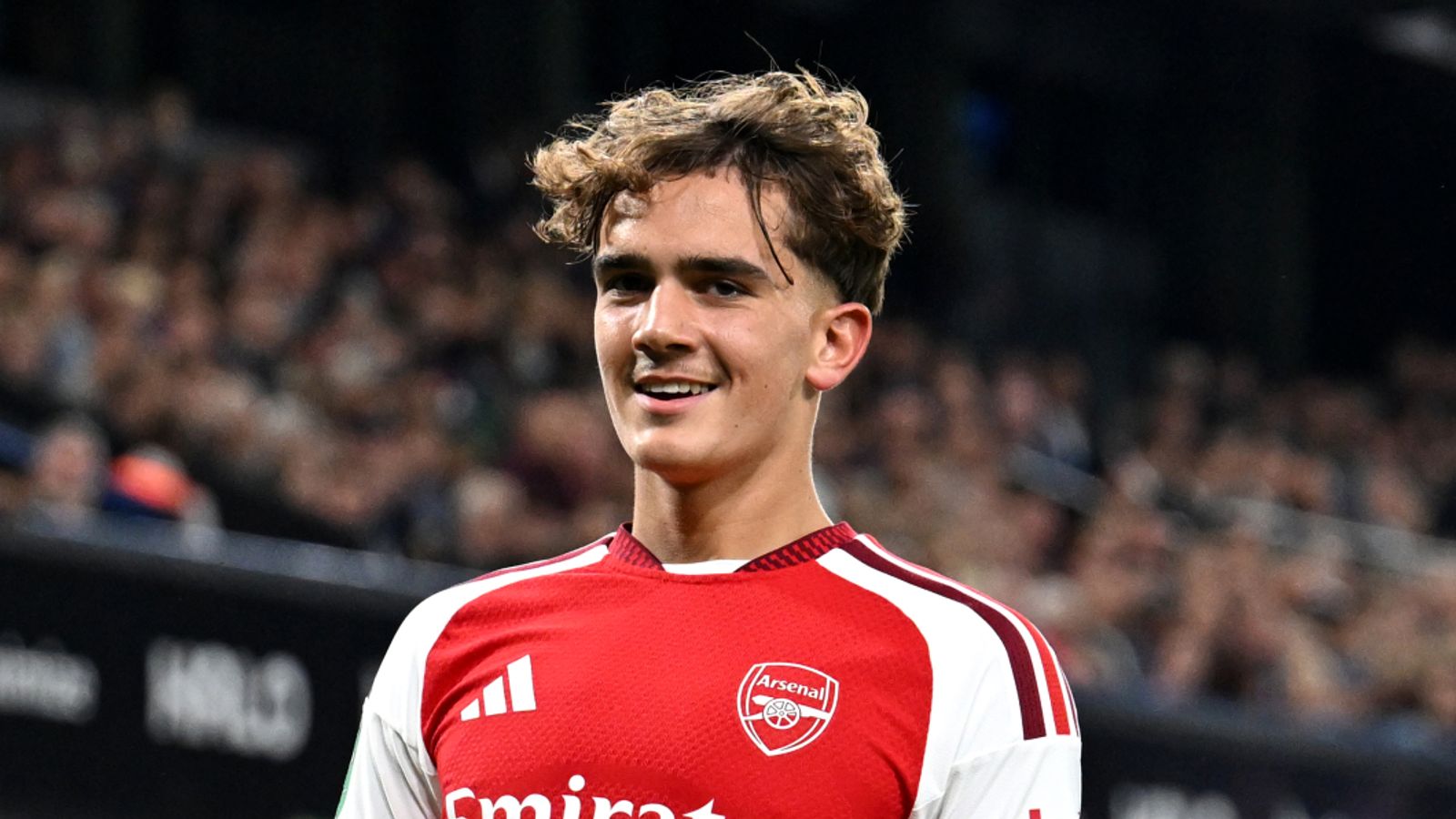
The August crunch hits the Emirates
Arsenal are staring down a severe personnel shortage for the opening weekend of the 2026/27 Premier League campaign. Official fixture releases confirm an aggressive start to the season, leaving fifteen first-team squad members at risk of missing the curtain-raiser.
Fatigue, injury recovery, and international commitments have collided to create a schedule nightmare. Mikel Arteta is navigating a reality where rotation options are nearly evaporated before a single ball is kicked in top-flight competition.
The math behind the burnout
The core of the issue lies in the overlap between summer international tournaments and domestic pre-season preparations. With players deep into tournament runs, the mandatory rest periods required by FIFA and the PFA make their availability for the August kick-off mathematically improbable.
Arsenal’s medical staff is monitoring internal load management data closely to prevent long-term soft tissue issues. History shows that rushing players back from condensed tournament summers often results in high-grade hamstring pulls or recurring calf pathology by October.
Risk assessment by the numbers
Of the fifteen players flagged, the majority are expected to be on restricted training plans upon their return. Management is weighing the risk of starting key starters against the potential for an early-season injury setback that could derail the first three months of play.
Key defensive anchors and attacking threats are among those currently categorized as high-risk. While the club has not confirmed specific medical absences for each player, the recovery timelines suggest a minimum of 21 days away from full-contact training following their respective eliminations.
Strategic implications for the opening slate
Arteta has leaned on a 4-3-3 tactical identity, but success requires elite engine-room output. If three or four of the high-risk players are held back, the structural integrity of the press and the transition defense will effectively vanish.
Competitors like Manchester City and Liverpool have historically managed these cycles with deeper squad rotations, yet Arsenal’s dependency on a specific elite starting XI creates a sharp drop-off in production when substitutes are integrated. Relying on U-21 talent for the opening match is the current contingency plan, a gamble that could result in dropped points against mid-table opposition.
Missing the mark on squad depth
Critics point to the lack of secondary options as the primary failure in the recent transfer window. Relying on an aging core or injury-prone depth pieces was always a precarious strategy for a club aiming for the title.
As reported by The Mirror, the fixture list does the Gunners no favors. Facing a high-intensity opponent in the first month without a full-strength backline is a recipe for disaster. The club needs to address these depth issues before the window slams shut in September, or they risk repeating the errors of previous seasons where momentum was lost by late autumn.
Historical context and risk management
Similar scenarios in 2024 showed how the lack of proper recuperation time led to uneven league form until November. Players who skipped recovery time in favor of immediate club involvement often reported chronic fatigue and recurring muscle stiffness throughout the winter period.
Medical literature on elite football performance dictates a recovery period that simply cannot be shortened without increasing injury risk by nearly 30 percent in the first three months of the season. Arsenal's conditioning team is aware, but the sporting pressure to start strong often overrides the physiological reality of the situation.
Defining success in August
The goal for the first block of games is simple: survive the schedule without long-term damage. While fans demand high points totals immediately, the club’s medical department is likely prioritizing the prevention of surgical interventions that would keep stars out until the new year.
The management of the fifteen affected players will be the definitive story of the late summer. If Arteta manages the load correctly, Arsenal survives. If the club pushes too hard in the opening two weeks, the season might be lost before the leaves change color.
Failure to rotate correctly during this window would suggest a lack of foresight from the technical director’s office. Developing a sustainable pipeline of fitness is not easy, but it is necessary for maintaining a league challenge that lasts more than the first ten games.
Read Next