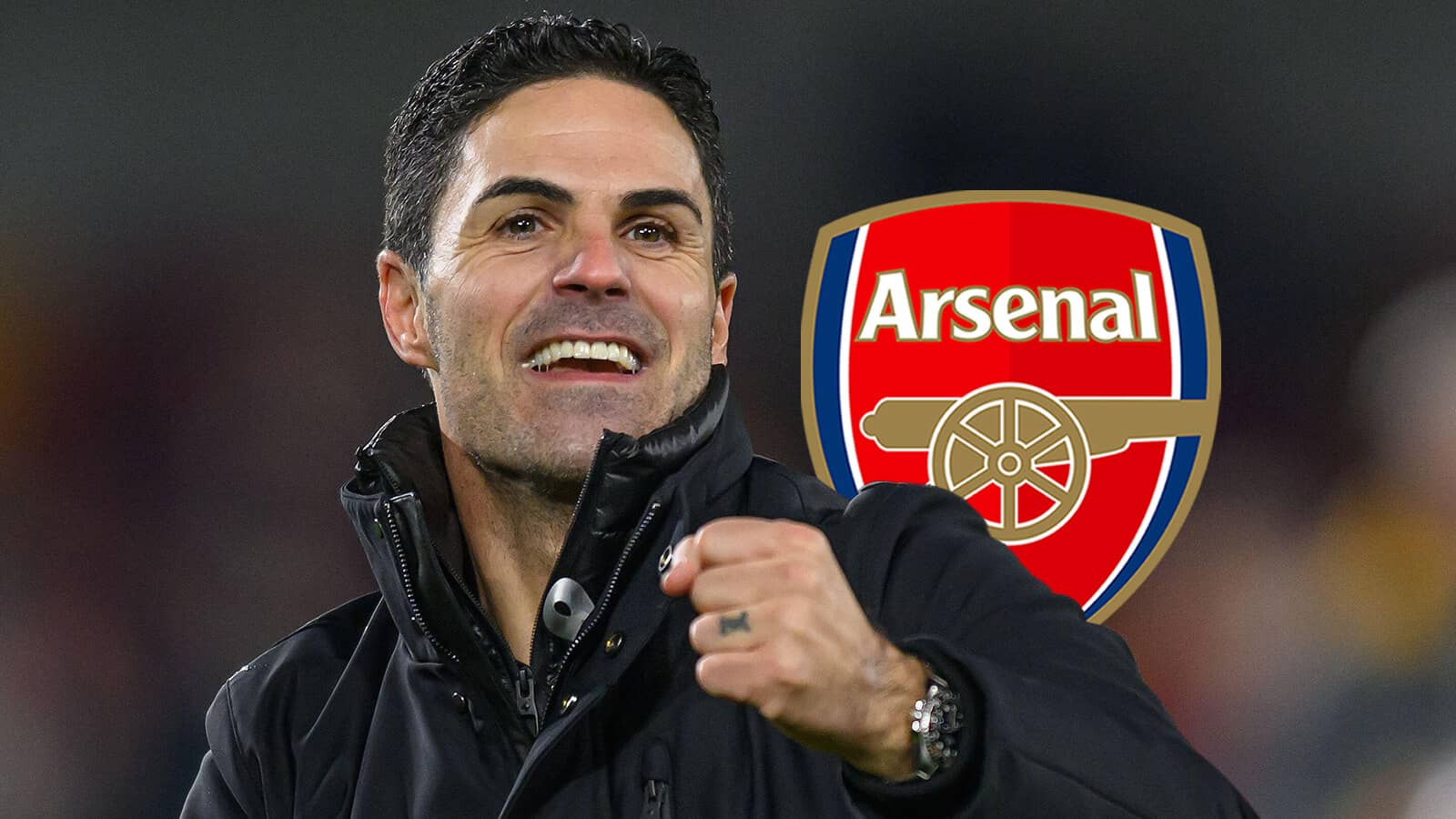
The defensive setback for Mikel Arteta
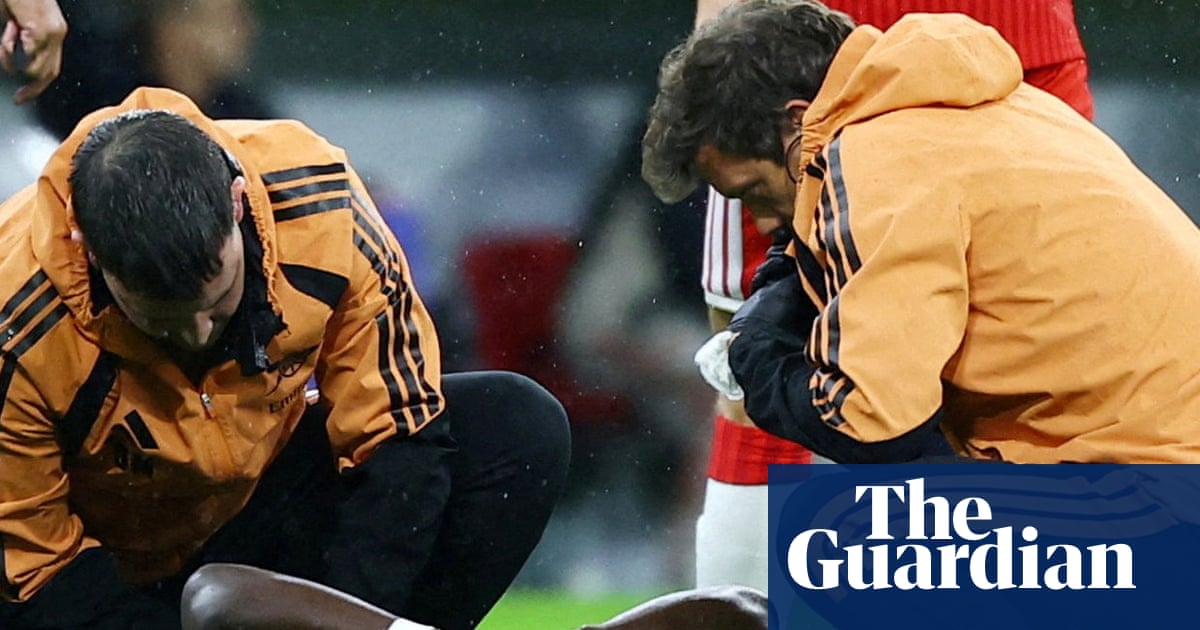
Arsenal are managing an early-season injury crisis before the 2026/27 campaign even kicks off. Yan Diomande, the summer arrival tasked with stabilizing the backline, has been sidelined following an evaluation of recurring discomfort in his lower leg. The club medical staff confirmed the issue Thursday, effectively ruling the defender out for the remainder of the pre-season tour.
The timeline for his return remains fluid, though early indicators suggest a six-week recovery period. This places his potential debut deep into the opening month of the Premier League schedule. Arteta opted to prioritize caution after the player reported sharp pain during a tactical drill at the London Colney training ground.
The wider impact on squad composition
Losing a primary defensive target this close to the opening day creates friction in the transfer strategy. Arsenal management has spent the last month retooling, and Diomande was expected to anchor the rotation alongside William Saliba. His absence forces a reconfiguration of the starting XI against upcoming league opponents.
This is not a development the technical staff wanted during a high-stakes transition period. As reported by the Mirror, the club remains active in external discussions, though a search for a direct, like-for-like replacement at this late stage is unlikely. The reliance on established internal options now grows exponentially.
Historical context of early-season soft tissue issues
Pre-season injuries are a recurring theme for teams pushing heavy physical loads. Players often transition from tournament football or summer breaks into high-intensity sessions too quickly. Historical data across the last five seasons suggests that soft tissue injuries suffered in late July often result in sub-optimal recovery if rushed.
Arsenal’s record with muscle injuries under the current regime has been inconsistent. While the sports science department is widely regarded as industry-leading, the sheer volume of games played remains a volatile variable. Comparisons to the 2024 campaign show that rushing defensive players back from lower-limb issues often leads to secondary setbacks in late October.
Strategic implications for the boardroom
The situation creates an uncomfortable dynamic between the recruitment team and the medical staff. Expectations were high, and the financial outlay to secure defensive depth was intended to mitigate exactly this outcome. Failing to get a full pre-season with the squad means Diomande will lack the necessary chemistry to thrive in a high-defensive-line system upon his return.
Critically, the failure to identify the sensitivity of this issue during the medical vetting phase is a glaring tactical error. If a player joins a club with a history of leg fatigue, a comprehensive plan must be in place. If the player is sidelined before competitive action, the initial assessment deserves internal scrutiny. The pressure on the remaining center-backs to avoid fatigue is immense.
Arsenal’s depth will be tested against opponents who target physical vulnerabilities. For now, the focus shifts to individual rehabilitation protocols. The goal is clear: have the unit operational before the end of September. Until then, the rotation will lack the edge the technical director promised earlier this summer.
The betting markets have shifted accordingly. Sportsbooks adjusted the odds on Arsenal’s opening day clean sheet probability by 12 percent following the team news. The loss of such a focal point in the defensive structure necessitates a tactical pivot. Expect to see variations in the back four configurations during the team's remaining training sessions in the United States.
Read Next
- Yan Diomande transfer saga explodes as Europe's giants fight over RB Leipzig star
- Arsenal's summer build faces a massive test as North London rivals clash early
- This Week in Football: Iraola's Start and Arsenal's Ambition (Jul 20–Jul 26, 2026)
- Arsenal fans are losing their minds over the Vinicius Jr rumors
- ⭐ UCL 2026 — Champions League Quarter-Finals Hub