The Same Old Script at Stamford Bridge
Here we go again. If you turned on the television on September 27, 2026 hoping to see Arsenal finally break their Stamford Bridge hoodoo, I have some bad news for your weekend plans.
You watched the exact same movie Arsenal fans have been forced to sit through for half a decade. The production value changes and the actors get fresh hairstyles, but the ending remains as predictable as a Roman Reigns title defense.
Arsenal controlled the ball and built neat little triangles in midfield. Arsenal racked up passes that looked stunning on a pitch map graph. And when the final whistle blew, Chelsea walked off with a 1-0 victory and all three points in their back pocket.
The decisive blow landed in the 39th minute. Keira Walsh collected space outside the box and ripped a stinging effort toward the target. Arsenal goalkeeper Anneke Borbe managed to get her palms to the ball, but her parry spilled directly into the danger area.
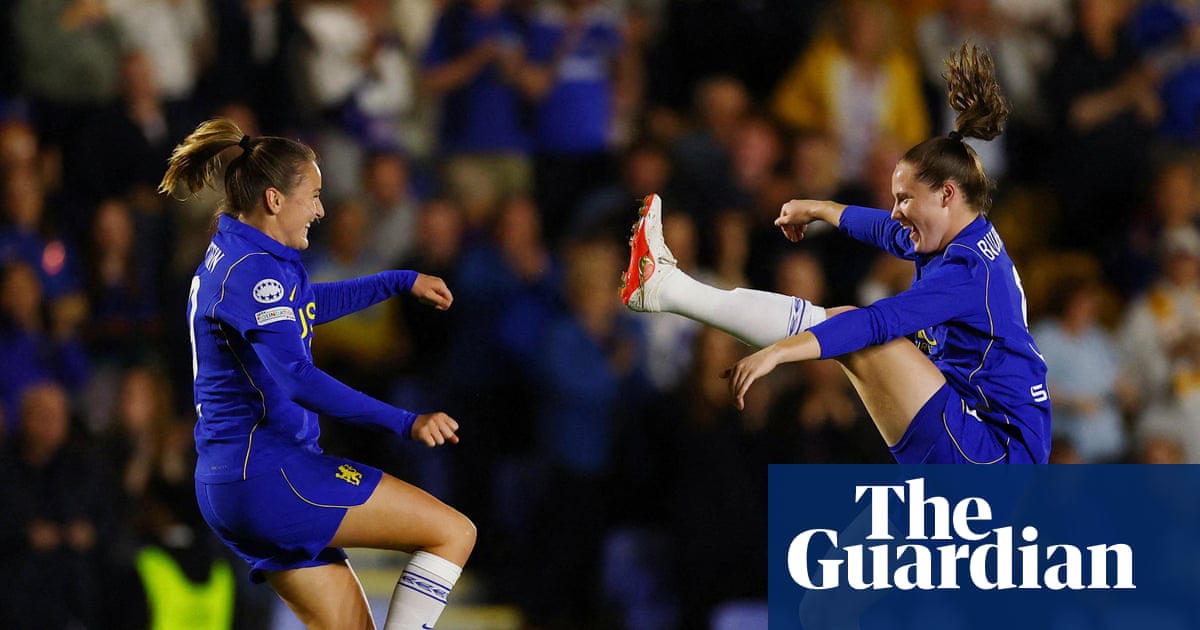
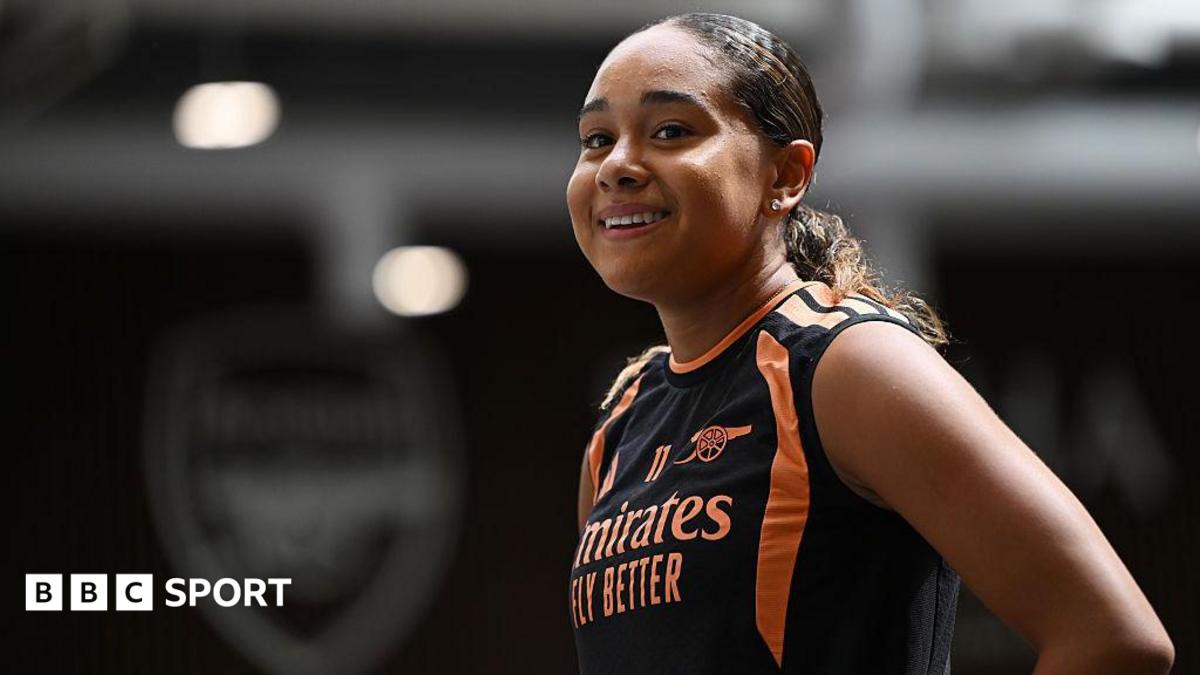
Alyssa Thompson did not need a second invitation. The American winger reacted faster than anyone inside the penalty area, pouncing on the rebound and tucking the ball home. It was simple, sharp, and utterly ruthless.
From that moment on, the narrative locked in like concrete. Arsenal spent the entire second half chasing an equaliser, probing sideways, and sending high balls into a penalty box defended by elite champions.
It felt like watching someone try to pick a Master Lock with a plastic toothpick. Chelsea never looked rattled, never looked panicked, and never looked like dropping their lead.
Sonia Bompastor Has the Blueprint and Renée Slegers Has the Headache
Let us talk about tactical reality versus ball possession vanity. If you look purely at the possession numbers, you might convince yourself that Arsenal dominated this derby. That is a trap for people who judge matches by heat maps instead of scoreboard reality.
Chelsea manager Sonia Bompastor executed a tactical masterclass. Chelsea did not care about holding 60 percent of the football. They dropped into a disciplined mid-block, closed down central lanes, and dared Arsenal to break them down out wide.
Lucy Bronze and Kadeisha Buchanan turned Chelsea's penalty box into a fortress. Every time Arsenal pushed forward, Bronze was there to shut down space or make a crunching tackle. That is what pedigree looks like when the stakes are high.
Meanwhile, Renée Slegers found out just how harsh life gets at the absolute summit of the WSL. Arsenal looked slick when building from the back through Steph Catley and Ona Batlle. But once the ball reached the final third, all the fluidity vanished into thin air.
Arsenal ended the afternoon with 14 shots on the stat sheet. Ask yourself honestly how many of those attempts made Hannah Hampton break a sweat in the Chelsea goal. Maybe two, if we are feeling extremely generous.
That is the fundamental problem with this Arsenal side. They play gorgeous football up until the moment they need to actually kill off an opponent. Against mid-table opposition, that style looks like poetry, but against Bompastor's Chelsea, it looks like a team running out of ideas on a Sunday afternoon.
The Rebound Penalty Box Nightmare
We need to talk about the opening goal again because it highlights the exact margin separating these two clubs. As The Guardian highlighted in their match analysis, when Keira Walsh struck her shot from distance, Arsenal had four defenders standing within five yards of the spot.
Not one of them reacted to the initial save. They stood like statues in yellow shirts while Alyssa Thompson burst past them. That is not a tactical flaw; that is an intensity failure.
Anneke Borbe will look back at that parry with deep regret. At this level, against this opponent, you cannot push a central strike back into the six-yard box. You get punished immediately, no questions asked.
Thompson has turned into an absolute monster in big fixtures. Her acceleration off the line gives full-backs nightmares, while her instincts inside the penalty box make her lethal. She smelled blood the millisecond Walsh struck the ball.
On the opposite end, Alessia Russo spent 90 minutes battling in isolation. Russo worked her socks off, dropping deep to link play with Kim Little and Georgia Stanway. But when you spend your afternoon 30 yards away from goal, you cannot score the equalizer your team desperately needs.
Arsenal kept floating crosses toward Russo, but Buchanan won almost every aerial duel with room to spare. It was like watching a featherweight try to push around a heavyweight boxer in the 12th round.
Substitutions, Panic, and the Missing Killer Instinct
When Slegers looked at her bench in the second half, she tried to roll the dice. She brought on Chloe Kelly and Stina Blackstenius to inject pace and width into a tiring attack.
For about ten minutes, the tempo picked up as Kelly swung in a pair of dangerous deliveries from the right flank. But Chelsea adjusted within five minutes, as Sky Sports noted during their live coverage of the frantic closing stages.
Bompastor brought on extra defensive stability and managed the clock like an absolute veteran. Every stoppage took 30 seconds out of the game while every throw-in was taken with maximum patience. Chelsea turned the final quarter-hour into a masterclass in game management.
This is where the criticism of Arsenal must be sharp and direct. Where was the urgency in the 70th minute? Why were they still passing sideways between center-backs when trailing by a goal at Stamford Bridge?
Great teams do not politely ask for an equaliser; they take the game by the throat. As BBC Sport observed throughout the second half, Arsenal looked like a side waiting for a moment of magic rather than forcing one into existence.
If you want to win WSL titles, you cannot drop points every single time you face Chelsea. You cannot keep pointing to expected goals or possession percentages while leaving London derbies with zero points.
The WSL Title Race Demands Real Answers
This result snaps Arsenal's unbeaten run in the league and sends Chelsea straight to the top of the table. But more than the points, it sends a psychological message across the entire league.
Chelsea still own the mental real estate in this rivalry. They know how to win ugly, they know how to defend a one-goal lead, and they know how to take their only real chance of the match.
Arsenal have all the talent in the world on paper. Their squad is stacked with international stars, household names, and proven talent. Yet when the lights are brightest at Stamford Bridge, they play with handbrakes attached.
Until Arsenal find a striker who converts half-chances into goals and a defense that does not gift rebounds inside the box, this story will not change. They will continue to play pretty football, collect praise from pundits, and finish behind Chelsea when trophies are handed out in May.
Chelsea took their three points and went home smiling. Arsenal went back to the drawing board with the exact same questions they have been asking for years. And right now, nobody in North London seems to have the answers.
Read Next
- Man United get off the mark as Liverpool break Anfield derby curse
- Beyond the Debuts: Tactical Assimilation, 'Half-Beat' Composure, and the USMNT Pipeline
- Ross County's 14-0 blowout reveals the grim math of Scottish B-teams
- Everton's Anfield derby dominance is dead and their offense looks broken
- ⭐ UCL 2026 — Champions League Quarter-Finals Hub