Tactical fragility at the Emirates
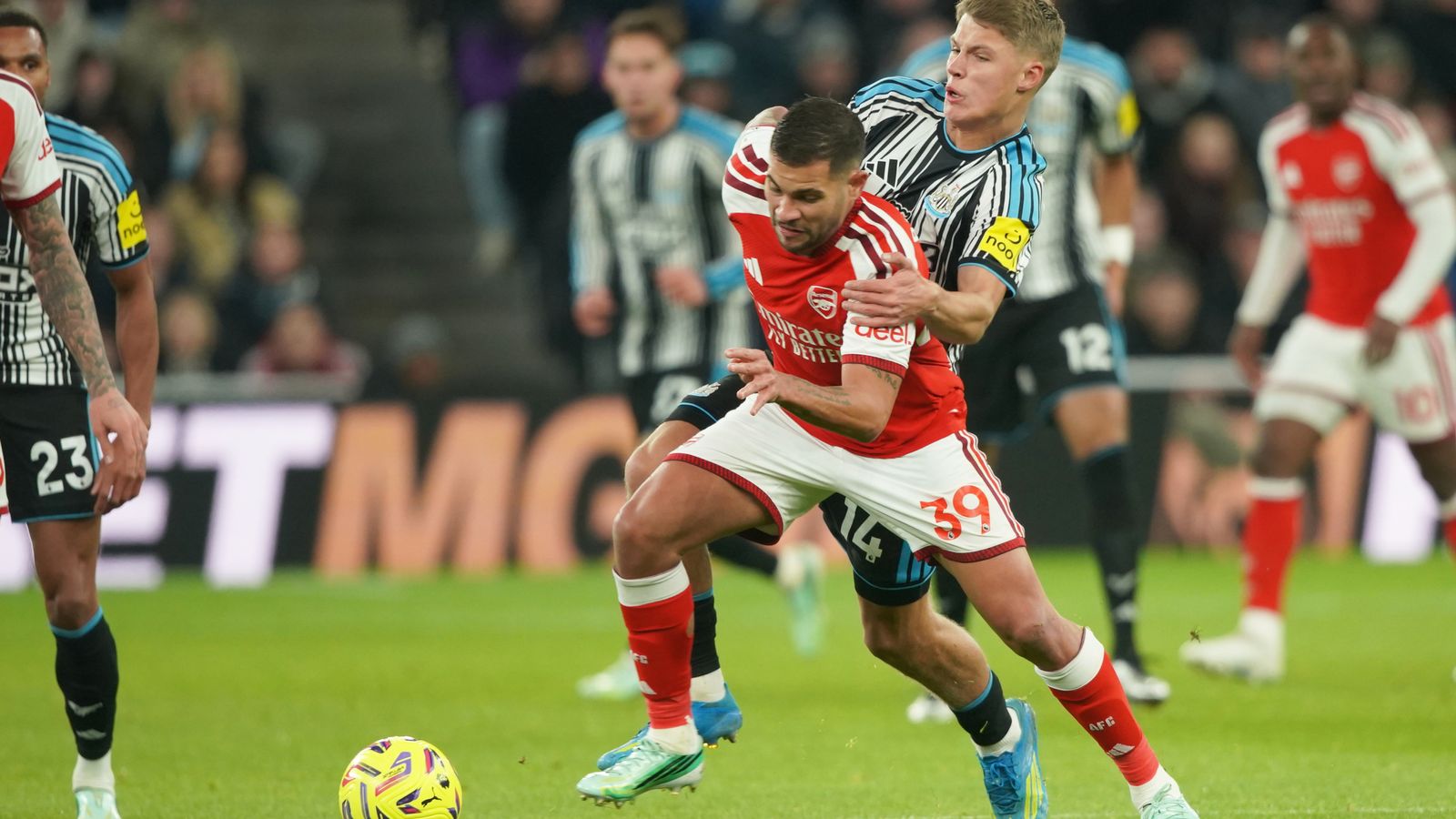
Mikel Arteta is currently navigating a self-inflicted wound. Following the shock defeat to Southampton, the discourse around his team selection has turned sour. Micah Richards didn't mince words, publicly questioning the tactical gamble of benching established starters in a high-stakes cup fixture.
When a manager rotates heavily before a cup clash, they are essentially betting on the periphery of their squad to bridge the gap in quality against a side designed to disrupt. In the case of Arsenal's recent exits, the personnel changes decimated the rhythm of their possessional play. The passing lanes that normally hum with precision suddenly felt stagnant.
The shadow of lost identity
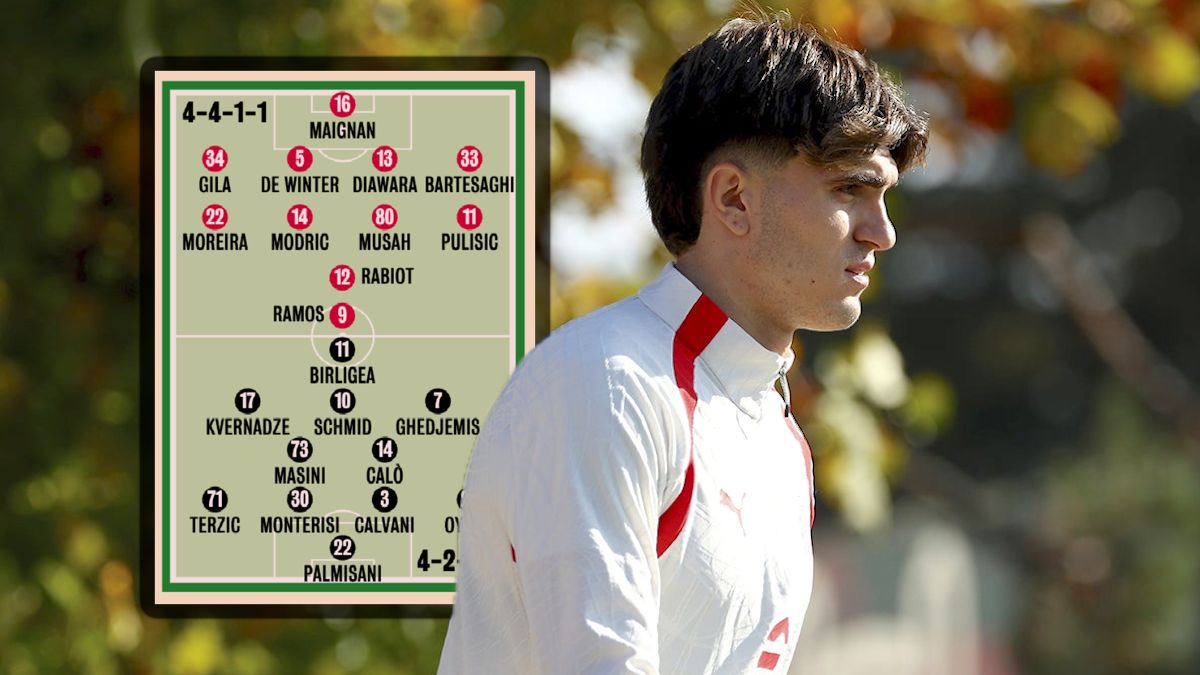
AC Milan currently find themselves navigating a transitional phase defined by tactical tightening rather than total revolution. Massimiliano Allegri has reportedly solidified his commitment to the club, distancing himself from rumors that suggest a departure is imminent. His focus on midfield mechanics has been the singular constant in a season of erratic form.
The issue for many top-tier clubs right now is the reliance on individual brilliance over structural integrity. We saw this at Liverpool, where Jürgen Klopp’s team relied upon Mo Salah delivering half a season of dead-cat bounce brilliance. Tactics often take a backseat to the sheer output of a single world-class forward, masking deeper systemic failures.
Midfield battles and the Napoli constraint
Allegri’s reboot hinges on the Naples fixture. The movement patterns of their central trio force opposition managers into reactive changes, a trap Allegri is acutely aware of. He is not a man who enjoys leaving his pivot exposed, and his set-up for the upcoming European dates will likely mirror his domestic caution. If his midfielders can maintain discipline through the 90th minute, Milan might just survive the pressure of the press.
Arsenal’s failure, conversely, seems rooted in a lack of trust in the bench. By forcing rotation when continuity was required, Arteta effectively signaled to his squad that the squad depth is insufficient for high-intensity fixtures. This creates an atmosphere of anxiety that persists well beyond the final whistle.
Looking ahead to the quarter-finals
With the Champions League quarter-finals arriving on April 07, 2026, the margin for error is non-existent. Any tactical experiment attempted in the league will be weaponized by opposition scouts before the European whistle blows. Managers like Allegri understand that, often preferring a drab point to an adventurous defeat.
The current state of play reminds us that successful squads are rarely just the sum of their tactical shapes. They are machines built on reliable, repetitive motions that only function when the core eleven are in sync. When an manager meddles with that formula without necessity, the result is usually a disjointed performance. Watching the fallout from the Southampton defeat, it is clear that Arsenal’s tactical identity is still prone to bouts of insecurity.
We are witnessing a period where the high-press, high-possession standard set by the elite is becoming harder to sustain over 50 games. The fatigue is showing in pass completion rates and the increasing frequency of unforced errors in the final third. As recent reporting on the cup exits confirms, the gap between the starters and the reserves remains a primary hurdle for title challengers. Whether Arteta or Allegri can resolve these selection conundrums before the season hits its final tilt will define their respective legacies this term.
Read Next
- Arsenal's rotation madness and Milan's missing identity
- Allegri’s Milan reboot hinges on the Napoli midfield battle
- Arsenal's FA Cup exit reveals a concerning regression in tactical discipline
- Arsenal's title charge takes a massive hit with Gabriel injury
- ⭐ UCL 2026 — Champions League Quarter-Finals Hub