Rotation risks and the Arsenal collapse
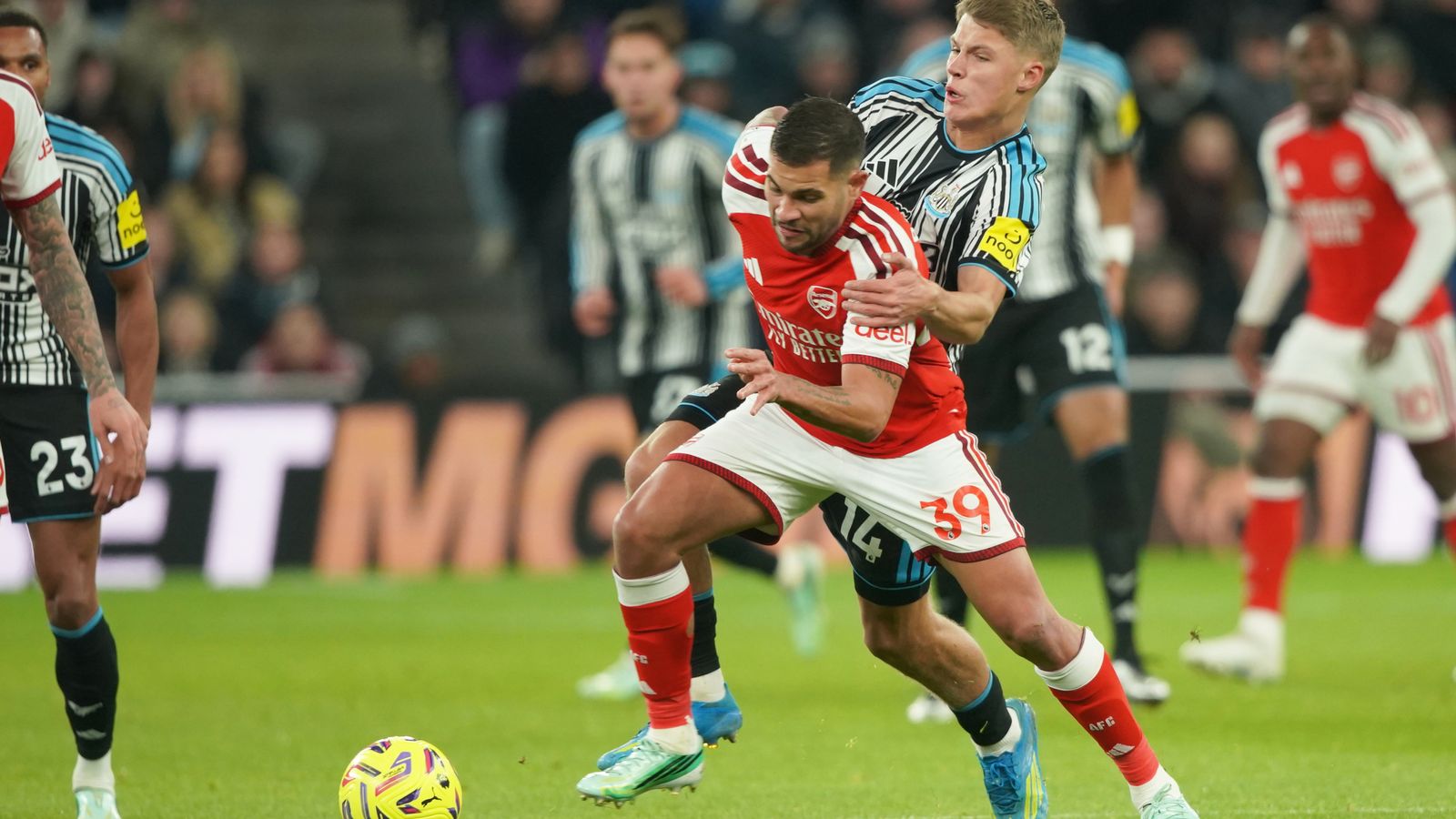
Mikel Arteta is currently navigating a self-inflicted wound. Following the shock defeat to Southampton, the discourse around his team selection has turned sour. Micah Richards didn't mince words, publicly questioning the tactical gamble of benching established starters in a high-stakes cup fixture.
When a manager rotates heavily before a crunch run-in, he assumes the depth can bridge the gap. Arsenal’s latest exit proves that premise was flawed. Telling players to look in the mirror after the whistle rings hollow when the starting XI lacked the chemistry required to secure a result.
The identity crisis at San Siro
Across the continent, AC Milan finds itself grappling with a different kind of frustration. The discourse surrounding the club’s lack of an Italian core has reached a fever pitch, with critics like Longoni pushing back against the romanticized narrative of Inter Milan’s homegrown successes. It is a cynical take, but one that rings true in an era of globalized recruitment squads.
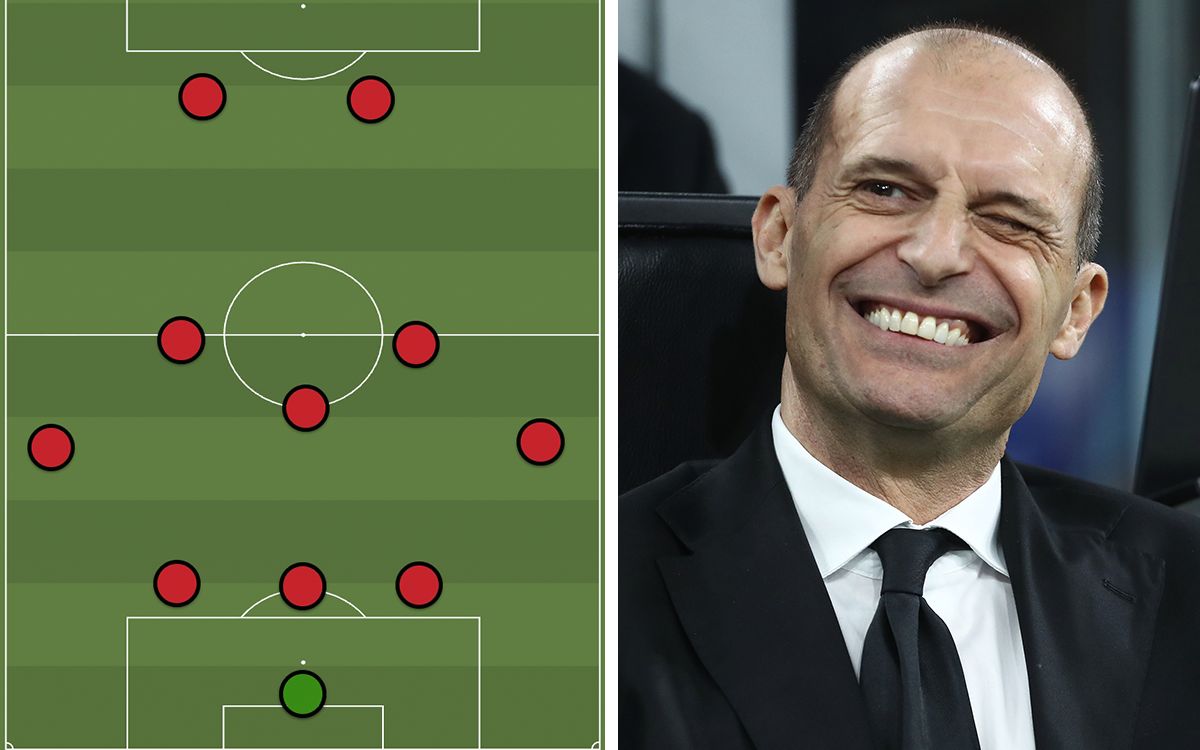
The current state of the Milan roster raises real questions about the team's DNA. While the analysis for the upcoming clash against Napoli focuses on tactical solidity and defensive structures, the underlying issue regarding long-term cultural stability remains largely unresolved. Without that core to anchor the dressing room, the squad often looks like a collection of talented individuals rather than a unified entity.
The cost of disconnected management
Both Arteta and the Milan brass are gambling on mathematical outcomes over human variables. Arsenal is betting that their league position is insulated enough to survive these cup failures, while Milan believes that specialized tactical setups will eventually outweigh the absence of a stable Italian identity. It is a cold, calculated approach that ignores how teams actually maintain momentum.
The recurring failure to build a cohesive internal culture inevitably spills onto the pitch. In Milan’s case, the obsession with questioning Inter’s narrative ignores the fact that Milan has lost its own center. If the club continues to favor statistical profile-matching over genuine developmental integration, the ceiling becomes predictable.
True tactical flexibility is worthless if the players lack a shared language of competition. Arteta is finding this out the hard way in London, and Milan’s leadership would do well to observe the wreckage. At the elite level, you cannot simply swap parts in and out like a modular machine. The dip in intensity at the 87th minute of a game usually happens because the rhythm has been broken by an experimental lineup.
Ultimately, championships are rarely won at the drawing board. They are built through continuity and the kind of internal pride that only develops with a stable, recognized foundation. Both clubs are currently drifting away from that reality in favor of immediate, often flawed, tactical fixes.
Read Next
- Arsenal's FA Cup exit reveals a concerning regression in tactical discipline
- Arsenal's title charge takes a massive hit with Gabriel injury
- Arsenal’s £129m striker chase is a trap you should walk away from
- Arsenal face mounting pressure after FA Cup exit and fresh fitness concerns
- ⭐ UCL 2026 — Champions League Quarter-Finals Hub