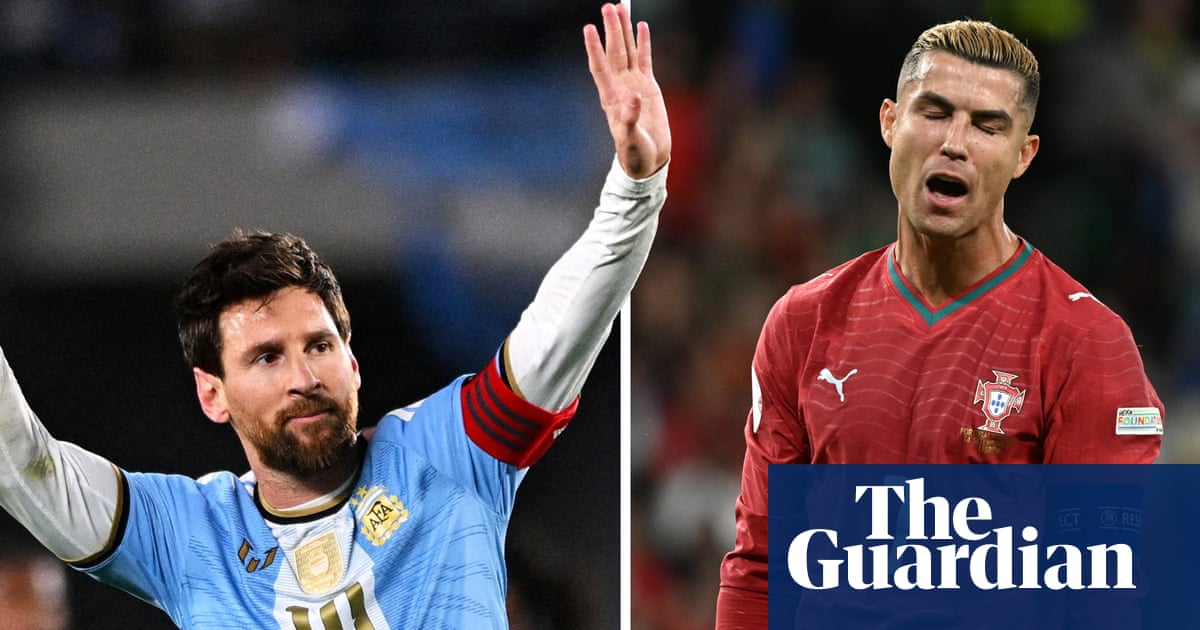
Messi sidelined following high-ankle trauma
Lionel Messi is facing an extended spell on the treatment table following the conclusion of the 2026 World Cup final in New Jersey. Medical staff confirmed the forward sustained a Grade 2 high-ankle sprain during the 1-0 defeat to Spain on Sunday. The injury occurred during a contested aerial duel in the 74th minute, forcing his premature departure from the field.
This setback arrives at a poor time for Argentine football. As reported by The Mirror, the national team failed to reclaim the trophy despite an aggressive attacking strategy throughout the tournament. Messi will miss approximately six weeks of competitive action while undergoing conservative rehabilitation. Any return before late August remains purely optimistic.
Tactical ripple effects for the squad
The absence of such a primary playmaker forces an immediate rethink for the national selectors. Argentina relied heavily on ball progression through the center, a role that becomes vacant while Messi recuperates. This isn't the first time the squad has had to navigate a major tournament fallout. Following the 2022 campaign, the team managed a transition period without several core veterans, though this current roster lacks similar depth in the final third.
Internal sources indicate the coaching staff is frustrated by the intensity of the scheduling leading into the finale. The physical drain on older squad members after a three-week slog in humid conditions has left the roster depth depleted. Expect a conservative approach to team selection for the September international window as the medical staff prioritizes long-term recovery over immediate tactical necessity.
Historical precedent and recovery outlook
High-ankle injuries are notoriously temperamental for players of advanced footballing age. Most professionals require 4-8 weeks to return to full training intensity. Previous instances involving similarly structured injuries for top-tier talents saw teams struggle to maintain pace without their primary creative outlet. The drop-off in output is often measured in chance creation metrics rather than simple goal statistics.
Competition from rivals will only intensify during this layoff. Spain enters the next cycle with significant momentum following their 1-0 win, while Argentina must now manage their veterans with extreme caution. The decision to keep the player on the pitch for as long as he remained on Sunday will certainly face scrutiny from local pundits. It is objectively a failure of risk management to allow participation past the point of initial discomfort.
The strategic burden
This injury highlights a broader issue with roster composition. Reliance on a single creative hub limits the ability to absorb physical set-pieces or defensive targeting during high-stakes matches. If the team does not diversify its tactical output, they risk falling behind the tactical developments of the European elites. The reliance on legacy talent has masked the lack of secondary creative options during this specific cycle.
Recovery protocols are locked in. The medical team is focusing on multi-directional stability exercises to prevent recurring flares in the ankle ligament. Expect a slow integration back into non-contact drills by mid-August. If the rehabilitation pace slows by even a week, league commitments will be the primary casualty for his club season. This is a critical blow for a team trying to rebuild its identity in the post-Cup landscape.
Read Next
- Argentina vs Spain is the soccer heavyweight fight we deserve
- The 2026 World Cup final is a $20 million heist disguised as a football match
- Spain vs Argentina: The tactical battle that will decide the World Cup
- Argentina's cycle of aggression is hitting a terminal point
- 🏆 World Cup 2026 — Full Coverage Hub
- 🇦🇷 Argentina World Cup 2026 — Defending Champions Hub
- 🏆 World Cup 2026 Final — MetLife Stadium Hub