The end of an era for the Boca Juniors legend
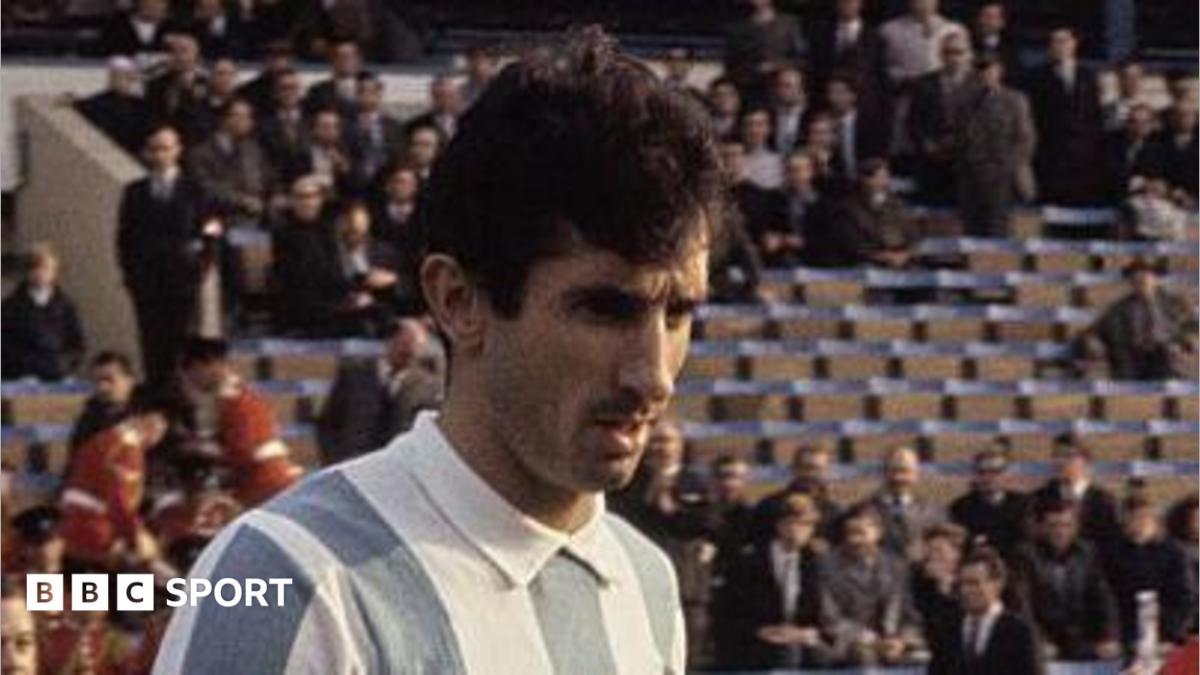
The football world lost a titan this week. Antonio Rattin, the iconic Boca Juniors captain and Argentine midfield general, passed away at 89. If you aren't brushing up on your 1960s history, you might just see him as another name on a list. But for anyone who values the chaotic, gritty roots of the sport, he was the man who practically invented the referee's disciplinary toolkit.
Rattin wasn't just a player. He was the prototype for the modern defensive midfielder, a guy who would park his tractor in the middle of the pitch and dare you to pass through it. He spent his entire career with Boca, winning five league titles and essentially owning the Bombonera from 1956 to 1970. He played with a snarl that scared opposition forwards and a vision that kept the game moving on his terms.
The red card heard 'round the world
Let's talk about the 1966 World Cup quarter-final in London. Argentina against England at Wembley is already a recipe for absolute disaster. The referee, Rudolf Kreitlein, sent Rattin off for, and I quote, his "violence of the tongue," even though the ref didn't speak Spanish and Rattin didn't speak German. The guy refused to leave the pitch for nearly ten minutes, sitting down on the royal red carpet in a move of pure, unadulterated petty theater.
That moment changed the game forever. According to BBC Sport coverage, that specific standoff directly led to Ken Aston inventing red and yellow cards. Before Rattin, refs had to physically drag players off or stand there shouting until they left. Now, we have an entire system built because one Argentine legend decided he wasn't done playing yet.
Community takes: genius or villain?
The fan discourse has been wild, split between purists mourning a hardman and younger fans realizing he was the OG chaos agent. One popular sentiment in the forums is that modern football is too sterile to ever produce a moment like that again. You try sitting on the sideline camera desk today; you'd get hit with a three-match ban and a public apology video before the halftime whistle even blows.
Contrarians, of course, are pointing out that Argentina was playing dirtier than a mid-winter Sunday league pitch. They argue the send-off was deserved and that his theatrics were just an attempt to rattle the hosts. One user pointed out that his refusal to leave was actually a sign of disrespect to the game, while others call it the ultimate act of defiance. Personally, I lean toward the latter. We talk about "selling the game," but nobody sold a match quite like a guy who treated a refereeing decision like a personal insult.
There is also a weirdly strong feeling that his legacy is overshadowed by the cards themselves. People forget he was a world-class playmaker who could dominate a game solely through positioning. It’s like remembering a great composer for the one time he threw his piano off a stage. The 89 years he lived were packed with more genuine football culture than most current squads find in a decade.
The final verdict
Some people say he was a master of the dark arts. Personally, I think he was just the only guy in the building who understood that football is, at its core, a theatrical event. You need that kind of friction. The game feels safer today, regulated to death by VAR and high-definition cameras, but it lost a bit of its soul when it stopped producing guys like Rattin.
My take? The man was a legend precisely because he didn't care about the optics. He was a product of a different era where football was a war of attrition followed by a drink at the pub. Whether you think he was a pioneer or a pest, you can't argue with his impact. The game today is literally governed by a system born out of his stubborn refusal to walk off the Wembley grass in 1966. That is the definition of a legacy, whether the suits in FIFA want to admit it or not.
Read Next
- England cannot afford to be passive against Norway today
- England vs. Norway: Everyone has an opinion and none of them matter
- Harry Kane’s yellow card drama feels like a total farce
- Harry Kane injury status and card suspension confusion ahead of Norway
- 🔶 Argentine Superliga 2025-26 — Boca, River & the Superclásico