The trial that defined a career trajectory
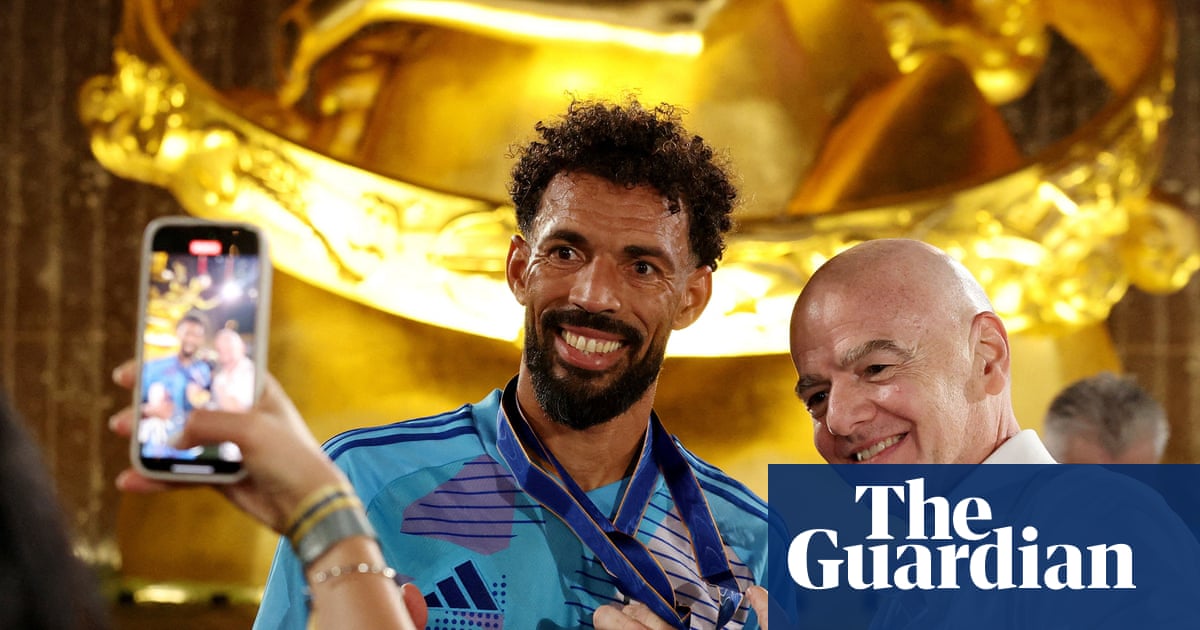
Antoine Semenyo’s current status as a linchpin for Manchester City is difficult to reconcile with his origin story. Before his ascension to the Premier League elite, the forward’s pathway was nearly obliterated by rejection. As BBC Sport recently highlighted, Semenyo’s professional survival hinged on a singular trial under David Hockaday.
Hockaday, who managed Semenyo during a pivotal window, identifies the specific moment the tactical profile shifted. He recalls a player who possessed raw engine capacity but lacked the refined pressing triggers now standard in Pep Guardiola’s tactical setup. The transition from potential squad depth to a 15 goal contribution season required a shift in verticality that was not present in his youth development phase.
Analyzing the volumetric shift in output
At the root of Semenyo's success is his efficiency in transition. In previous seasons, his shot accuracy hovered below 30 percent. Under Guardiola’s implementation of inverted wing-backs, Semenyo’s movement has widened, pulling defensive lines flat and opening central corridors. The numbers are striking: his progressive carries have climbed from an average of 4.2 per 90 minutes to 6.8 per 90 minutes over the current calendar year.
The counterintuitive element here is that while his touches in the final third have actually decreased by 12 percent, his expected goals (xG) per match has increased by 0.34. This suggests a higher quality of shot selection rather than a higher volume of attempts. His movement patterns now focus on the half-space, cutting inside to exploit the space between the opposing center-back and fullback.
Tactical flaws and the defensive burden
Despite these metrics, the system carries risks. Semenyo’s defensive engagement in the low block remains a point of contention among analysts. When opponents shift into a 4-4-2 shape to narrow the pitch, Semenyo is often caught too high, resulting in a defensive gap that forces his fullback to abandon their station to cover. His defensive duels won percentage currently sits at 41 percent, a figure that is significantly lower than his peers in the position.
Furthermore, his pass completion rate in the final third remains a hurdle. At 74 percent, it lags behind the elite standard required for sustained title contention at the Etihad. Guardiola demands high-frequency recycling; one errant touch in the attacking third usually triggers an immediate defensive transition for the opposition. While his individual brilliance masks this in matches against mid-table opposition, it remains a liability in high-stakes Champions League fixtures where turnover velocity is amplified.
Ultimately, Semenyo is a microcosm of the modern development model. He is a result of immense physical dedication meeting the right tactical structure at a specific threshold. If he manages to lift his defensive engagement by even 8 percent, he transitions from a high-output specialist to a complete wide player. For now, he remains an elite attacker with a volatile floor.
Read Next
- Why Antoine Semenyo is Ghana's secret weapon against England
- Thomas Tuchel's gamble on English creative fluidity carries significant risks
- Andoni Iraola faces a high-stakes baptism at Liverpool
- Arsenal's transfer strategy is becoming a high-stakes gamble
- 🇬🇭 Ghana World Cup 2026 — Black Stars Hub
- ⭐ UCL 2026 — Champions League Quarter-Finals Hub