The Sixty-Year Shadow in Houston
For forty-five minutes at NRG Stadium on Monday night, Brazil stood on the precipice of their earliest World Cup exit in 60 years. Not since the group-stage disaster of 1966 in England had the Seleção packed their bags this early. As the players walked off the pitch at halftime trailing Japan 1-0, that historical humiliation felt less like a distant memory and more like an imminent reality.
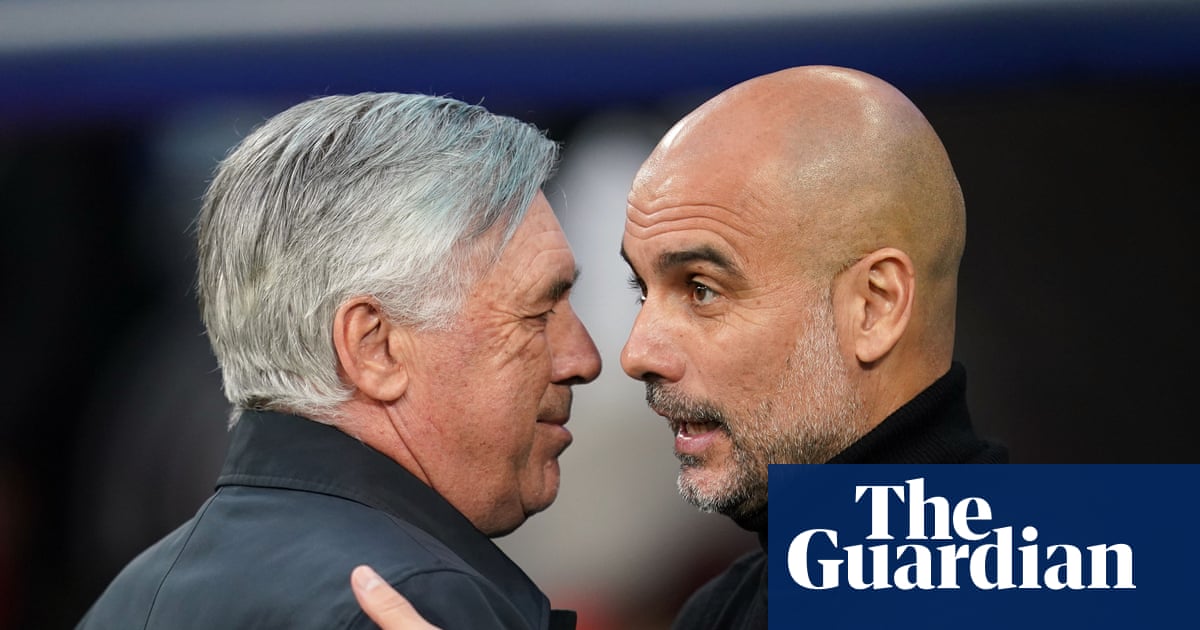
Carlo Ancelotti sat in the dugout with his trademark raised eyebrow. Behind the calm exterior lay a team in absolute tactical disarray. Brazil dominated the ball but had no idea what to do with it.
Japan’s opening goal in the 29th minute was the product of a fragile defensive system. A loose touch from Casemiro allowed Kaishu Sano to intercept the ball. Sano drove forward against a retreating backline, firing past Alisson. It was a clinical punishment.
At that moment, Brazil’s possession-heavy style looked completely hollow. It was a slow-motion car crash against a disciplined Japanese team. They had no answers for Hajime Moriyasu's organization.
The statistical story of the first half was damning for Ancelotti’s side. Brazil controlled 61% of the ball, yet they managed only one shot on target out of six total attempts. Their build-up was glacial, characterized by side-to-side passing that did nothing to disturb Japan's defensive shape.
Of the 652 completed passes Brazil registered over the course of the match, more than 40% came in the opening forty-five minutes. Almost none of them penetrated the final third. It was sterile dominance at its worst, a performance that justified every bit of criticism from back home.
Casemiro’s Duality and the Midfield Mess
The Single-Pivot Vulnerability
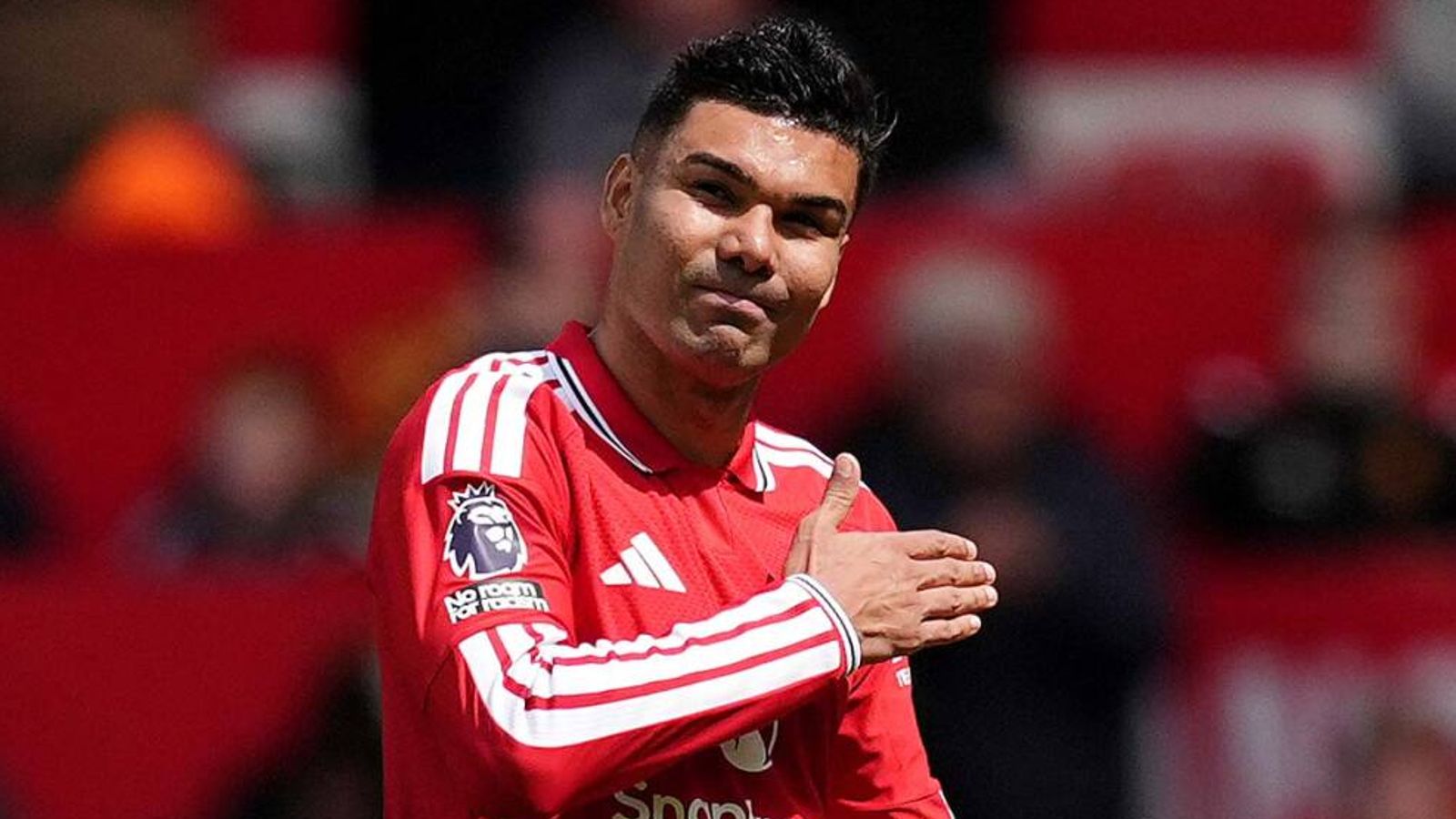
No player typified Brazil's first-half struggle more than Casemiro. In the first half, the veteran midfielder completed just 74% of his passes and was dispossessed three times in dangerous areas. His inability to turn under pressure allowed Japan to trigger their press effectively, cutting off the supply lines to Brazil's forward line.
When Japan won the ball, Casemiro lacked the recovery speed to stop the transition. This left the central defenders exposed to direct counter-attacks. He looked every bit his age in a high-tempo international fixture.
The Second-Half Redemption
Yet, the game also demonstrated why Ancelotti continues to trust the veteran midfielder in moments of crisis. In the 56th minute, Casemiro redeemed himself, rising highest in the box to head home an equalizer from a Gabriel Magalhães cross. It was a simple goal, but it completely changed the momentum of the match.
His passing accuracy improved to 88% in the second half. Brazil started to move the ball with more speed and purpose. It was a performance of extreme contrasts, showing both his declining physical capabilities and his enduring threat in the box.
The midfield pairing of Casemiro and Bruno Guimarães struggled to find a balance in the first half. Guimarães was forced to drop deep to help with the build-up, leaving a massive gap between the midfield and the attack. This disconnect meant that Brazil’s forwards were isolated, forced to drop deep to receive the ball with their backs to goal.
In the second half, Ancelotti adjusted the spacing. He pushed Guimarães ten yards higher up the pitch to connect the play. This simple adjustment allowed Brazil to sustain attacks and pin Japan in their own half for long periods.
Ancelotti’s Crossing Pivot and the Low Block
The Spatial Mathematics of Width
Under Moriyasu, Japan defended in a compact 5-4-1 low block that gave Brazil virtually no space through the center. In the first half, Brazil repeatedly tried to force play through the middle, playing into Japan's hands. At halftime, Ancelotti realized that the only way to break down this defensive wall was to change the angle of attack.
He instructed his team to use the wide areas and put more crosses into the penalty box. This tactical shift was the key to Brazil’s second-half revival. It forced Japan to defend the width of the pitch.
In the second half, we overcame it, we got some space and put in crosses. This was an evolution in tactics for sure.
The numbers back up Ancelotti's claim of an evolutionary shift during the break. In the first half, Brazil attempted only six crosses, none of which found a yellow shirt. In the second half, that number exploded to 28 crosses, creating constant chaos in the Japanese penalty area.
By shifting the play wide and using the fullbacks to overlap, Brazil forced Japan's wingbacks to defend deeper. This widened the gaps in their back line. It was not the beautiful, fluid passing of Brazilian teams of the past, but it was highly effective.
Stoppage Time Salvation
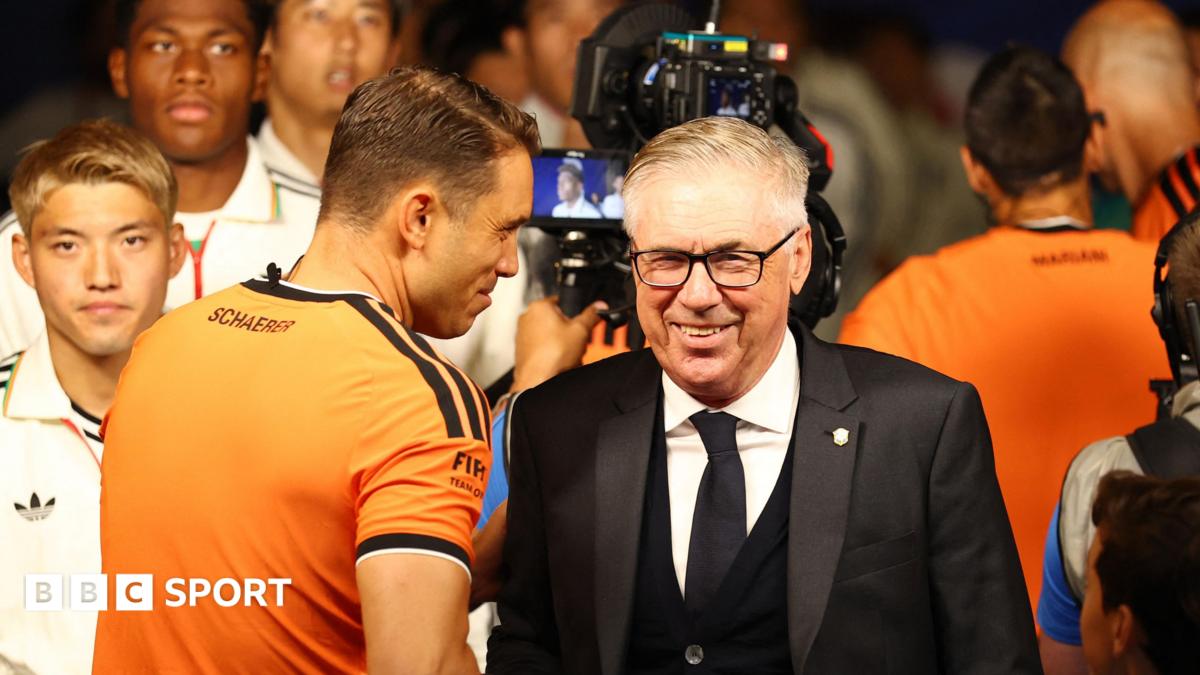
As BBC Sport report details, this tactical flexibility has become a hallmark of Ancelotti's tenure. While purists might scoff at a reliance on crosses, the Italian manager prioritized results over style in a knockout match. The strategy finally paid off in the 95th minute when substitute Gabriel Martinelli volleyed home the winner.
The goal came from a deep cross by Bruno Guimarães, vindicating Ancelotti's halftime adjustments. It was a dramatic finish to a match that Brazil came perilously close to losing. Japan's stubborn resistance was finally broken.
The Walking Forward and the Neymar Dilemma
While Brazil celebrated their late victory, the performance of forward Matheus Cunha drew severe criticism. The Manchester United striker looked sluggish and disconnected from the rest of the team. Cunha completed only 12 passes in his 60 minutes on the pitch, none of which occurred inside the Japanese penalty area.
His lack of movement made it easy for Japan's center-backs to mark him out of the game. This forced Brazil to attack without a focal point. It was a toothless display from a player starting in a World Cup knockout match.
This passive display did not escape the attention of former players and pundits back in Brazil. In a post-match rant, former Brazil international Craque Neto slammed both Cunha and Ancelotti. Neto accused Cunha of walking on the pitch and questioned why the forward was starting ahead of more dynamic options.
The criticism highlights a growing frustration with Brazil's attacking players. They have struggled to replicate the performances of their predecessors. The team's reliance on individual moments of quality has become a major talking point in the Brazilian media.
What a lie this is about Neymar, the coaching staff, the medical department. They're messing around... Against Japan? Not playing him? Put the guy in to play.
Neto also aimed his fire at Ancelotti's management of Neymar, who remained an unused substitute. The decision to keep the superstar on the bench while the team struggled to score puzzled many observers. Ancelotti claimed after the match that the decision was precautionary, but it has added fuel to the debate about Neymar's role in the team.
With a Round of 16 match against either Norway or Ivory Coast looming, Ancelotti will face intense pressure to integrate Neymar back into the starting lineup. The fans are losing patience with the manager's cautious approach.
A Pale Imitation of the Past
While Brazil survived the scare in Houston, the performance raises serious questions about their championship credentials. As Ancelotti claimed after the match, the victory represents the right path for this squad, but the gaps are obvious. A team containing some of the world's most expensive players should not be relying on a 95th-minute winner to beat Japan.
The Seleção finished the match with a 2-1 scoreline, but the performance was far from convincing. The contrast between this team and the great Brazilian sides of the past is stark. There is a lack of creativity in midfield, a vulnerability in defense, and a dependency on individual moments rather than collective play.
Japan managed only two shots on target from five total attempts. They limited Brazil to just seven shots on target despite having only 30% of the possession. If Brazil are to win their sixth World Cup, they must find a way to dominate matches without relying on late rescue acts.
Ancelotti's side survived, but their tactical flaws were exposed. The tournament is only going to get tougher. They cannot count on stoppage-time miracles forever.
Read Next
- Martinelli rescue job cannot hide Brazil's deep midfield issues
- Brazil escaped a disaster against Japan but the warning signs are flashing
- Brazil and Japan face major selection crises after bruising Houston battle
- Brazil vs Japan is the ultimate World Cup trap game
- 🏆 World Cup 2026 — Full Coverage Hub
- 🇧🇷 Brazil World Cup 2026 — A Seleção Hub
- 🇯🇵 Japan World Cup 2026 — Samurai Blue Hub