Houston, We Have a Massive Problem
Pull up a stool, grab a pint of whatever has the highest proof behind the bar, and let’s talk about the absolute circus that just went down in Texas. On June 29, 2026, the Brazilian national team came about thirty seconds away from having their passports revoked and being forced to swim back to Rio. In a Round of 32 clash that was supposed to be a straightforward stepping stone, Brazil scraped past a brilliant Japan side 2-1 at NRG Stadium.
If you turned the game off early because you couldn’t stomach the sight of Carlo Ancelotti looking like a confused grandfather in the technical area, I don't blame you. For the first fifty-five minutes, Brazil played with the speed and dynamism of a dial-up internet connection in the late nineties. They looked slow, disorganized, and entirely devoid of the creative spark that usually makes the yellow shirt look like art.
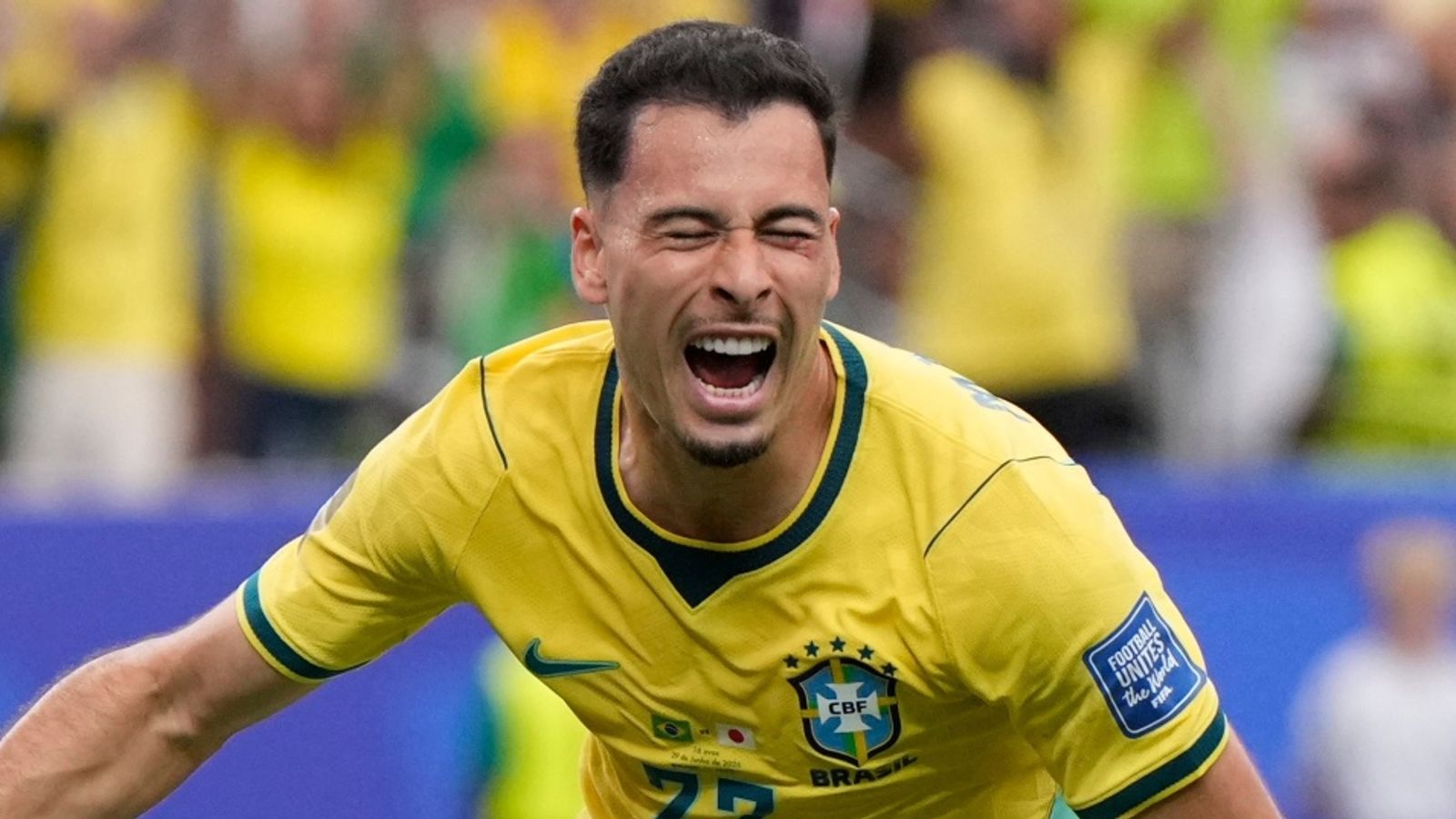
As the Sky Sports match report detailed, it took a 95th-minute winner from substitute Gabriel Martinelli to save the day. But let's not bury the lead here: this match was an absolute wake-up call for anyone who thinks Brazil is marching toward another star on their chest. If they play like this in East Rutherford on Sunday against either Norway or the Ivory Coast, they will be booked on the first flight home before their laundry even dries.
The Night Japan Almost Played Samba
Let's talk about the first half, which was an exercise in pure tactical masochism for anyone wearing yellow. Japan came out with a game plan that was sharper than a sushi chef's knife. They pressed with coordination, shut down the passing lanes, and treated the Brazilian midfield like a minor inconvenience.
Then came the disaster in the 29th minute. A sluggish Brazilian pass in their own half was intercepted by Kaishu Sano. The Japanese midfielder did not hesitate, driving forward with intent while the Brazilian defense parted like the Red Sea.
Sano launched a right-footed shot that whistled past Alisson Becker before the Liverpool goalkeeper could even register the danger. It was a deserved lead, and the stadium erupted into a mix of Japanese joy and Brazilian panic. The Brazilian fans in Houston looked like they had just been told tax day was moved to tomorrow.
Brazil looked shell-shocked. Their midfield transition was non-existent. Casemiro looked like he was running in wet cement, struggling to track back as Japan launched wave after wave of counters.
It was painful to watch a player of his stature get bypassed so easily by Japan's quick passing patterns. Every time Brazil tried to build from the back, they looked entirely clueless. Vinicius Junior was isolated on the left wing, double-teamed by a disciplined Japanese backline that refused to give him an inch of breathing room.
The halftime whistle was a mercy. It gave Ancelotti a chance to salvage what was rapidly turning into a historic embarrassment. The fans in yellow were already booing them off the pitch.
Ancelotti's Tactical Gambles and the Equalizer
Ancelotti, to his credit, managed to settle his players during the break. He did not panic, instead preaching patience and structural discipline. "At half-time I told the players to be patient because sooner or later we would score. What was important was to keep our structure," Ancelotti later explained to reporters.
The advice paid off in the 56th minute. Gabriel Magalhães floated a beautiful cross into the box from a set-piece. Casemiro, despite his defensive struggles, rose above the Japanese defenders to power a header into the net.
It was a massive moment of relief for a player who had been heavily criticized for his first-half performance. On the post-game show, Peter Schmeichel was quick to credit the manager's decision to trust his veteran midfielder. Schmeichel remarked:
"I think this game was won by Carlo Ancelotti – he made two massive calls... he kept [Casemiro] on the pitch... Second big call, put Martinelli on. The match winner"
But despite the equalizer, Brazil did not suddenly start playing like the 1970 squad. They still looked vulnerable to Japan's quick transitions. Ancelotti knew he needed an injection of pace and energy into his attack.
He turned to Gabriel Martinelli in the second half. The Arsenal winger replaced a tired starter, bringing directness and speed to a frontline that had been far too static. Ancelotti wanted to stretch the Japanese defense, and Martinelli was the perfect tool for the job.
As the clock ticked past the ninety-minute mark, the tension in Houston was high. Extra time seemed inevitable, a nightmare scenario for a Brazilian squad already showing signs of fatigue. But in the fifth minute of stoppage time, Bruno Guimarães picked up the ball and spotted Martinelli making a darting run into the penalty box.
Martinelli took the pass in his stride, kept his composure, and slotted the ball past the Japanese goalkeeper to spark wild celebrations. It was a moment of pure relief for the winger, who has faced intense criticism from fans and media back home. Many had openly questioned his inclusion in the World Cup squad, claiming he did not deserve the spot.
After the match, Martinelli did not hold back when asked about the noise surrounding his selection. He delivered a blunt response to his critics:
"Football is like this — we know how things go. Of course you end up hearing things you do not want to hear. People said they did not want me in the squad. I try to stay as far away from that as possible and not to listen to the noise from outside. I am very happy today to have helped Brazil with this goal to secure qualification, and I hope those people who said I did not deserve to be here felt at least a little happy for me and for the team"
His manager was equally pleased with the winger's impact off the bench. Ancelotti explained his thinking behind the substitution: "Above all else we wanted to freshen up the field because Martinelli has a lot of intensity as a player. When he goes in the match he's always on his top game."
It was a vindication for both player and manager. Martinelli proved he could perform on the biggest stage despite the immense pressure. Ancelotti's gamble had paid off, but it was a very close call.
Why Brazil Fans Should Still Be Terrified
Let's be completely honest: this was a daylight robbery in Houston. Japan deserved to go to extra time, if not win the match outright. Their tactical organization, work rate, and intelligence made Brazil look like a collection of expensive individuals rather than a cohesive football team.
On the punditry desk, Mikel John Obi captured the feeling of neutrals everywhere, calling the result 'heartbreaking, honestly heartbreaking. This Japan side have given so much to this tournament... they've given everything.' They did give everything, and they were undone by one moment of individual quality in the dying seconds.
That is the frustrating thing about Brazil. They can play poorly for eighty-nine minutes and still beat you because their bench is worth more than most countries' GDP. But you cannot rely on stoppage-time miracles when you start facing the heavyweights of this tournament.
Even Ancelotti admitted that his side is far from the finished product. "We can never be content with what we're doing. We're doing a good job. We are performing. But you can never be content because we want to play better. We want to play at the highest level," the Italian manager conceded.
If Brazil wants to play at the highest level, they need to address their structural issues immediately. According to Sky Sports' breakdown, the gaps in their tactical setup were obvious. The three key areas that need immediate attention include:
- A slow, aging midfield anchor that gets bypassed far too easily by quick-passing opponents.
- Fullbacks who push too high, leaving oceans of space for opposing wingers on the counter.
- An over-reliance on individual brilliance to salvage results when the overall structure fails.
They survived Japan, but the next opponent will not be as forgiving of their defensive lapses. Celebrate the win if you must. Buy a round of drinks, toast to Martinelli's ice-cold veins, and enjoy the relief of advancing.
But do not deceive yourselves into thinking this team is ready to lift the trophy. If they do not improve, the Round of 16 in New Jersey will be the end of the road for this Brazilian experiment. The warning signs are flashing bright red.
It is time for Ancelotti to fix the engine before the whole car breaks down. As Sky Sports reported in their match analysis, Brazil was staring down the barrel of an early exit. They got away with it this time, but luck always runs out eventually.
Read Next
- Martinelli rescue job cannot hide Brazil's deep midfield issues
- Gabriel Martinelli just saved Brazil from the ultimate World Cup disaster
- Brazil vs Japan is the ultimate World Cup trap game
- Brazil and Japan face major selection crises after bruising Houston battle
- 🏆 World Cup 2026 — Full Coverage Hub
- 🇧🇷 Brazil World Cup 2026 — A Seleção Hub
- 🇯🇵 Japan World Cup 2026 — Samurai Blue Hub
.jpg)