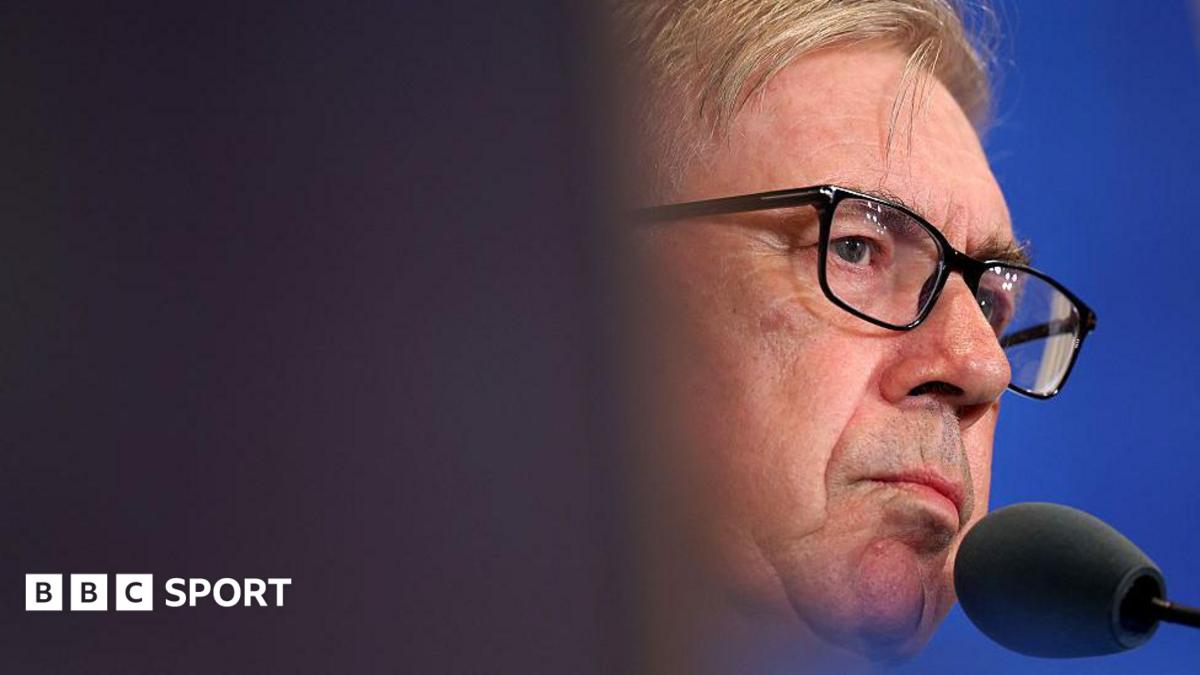
The managerial endgame for Carlo Ancelotti
Carlo Ancelotti has spent two decades winning trophies across the top five European leagues. He has hoisted the Champions League trophy from Milan to Madrid, yet the Brazil national team vacancy represents a distinct departure from his methodical club-level dominance. International football relies on intermittent cycles rather than daily repetitions, and Ancelotti is now pivotally attempting to fuse his pragmatism with the flair of the Selecao.
As the BBC recently highlighted, the quest to make this Brazil squad the greatest of all time is not merely a statistical goal. It is an identity crisis. Brazilian football has struggled to reconcile its historical reliance on individual brilliance with the tactical rigors of modern knockout tournaments. Ancelotti is arguably the only manager capable of balancing these conflicting ideologies.
The tactical shift toward structure
Ancelotti typically favors a system that allows star players to operate in pockets of space. However, his tenure in charge of the national team necessitates a tighter defensive transition. Brazil has been plagued by lapses in concentration during counter-attacks, leading to avoidable concessions against lower-ranked opponents. Watching the team navigate these phases in recent outings, one notices a lack of vertical compactness that will be exploited if left unchecked.
The central midfield partnership will decide the success of this project. If Ancelotti pushes his wide attackers too far up the pitch, the spine of the team becomes elongated and vulnerable. He needs a double pivot that can rotate efficiently to cover the spaces vacated by full-backs. Anything less than 85% pass completion in the build-up phase against cohesive sides will render Brazil stagnant. The margin for error in international tournaments is shrinking, and his reliance on individual output from the wings is a long-standing criticism of his recent work.
Predicting the ceiling of this project
Can a manager so synonymous with club rotations and daily training sessions really adapt to the limitations of FIFA international windows? History suggests that managers with highly specific tactical identities often struggle in the national team arena because they lack the time to drill complex movements. Ancelotti has a reputation for being a high-level facilitator rather than a tactical ideologue, which might actually be his greatest asset here.
By prioritizing man-management over rigid structural dogma, he creates an environment where pressure levels are significantly lower than those inside club dressing rooms. Expect him to keep the lineup consistent to build chemistry, rather than chasing new tactical innovations every three months. This team needs stability more than it needs a tactical masterclass, and that is exactly where his experience provides a material edge.
The verdict
I predict Ancelotti will eventually lead Brazil deep into the next major tournament, but not without significant early friction. He will likely struggle to suppress the defensive leaks during the group stages, only to tighten the structure as the knockout phases arrive. He understands that winning internationally is rarely about aesthetic dominance and almost always about managing the momentum of individual moments. By the time the final fixture of his current cycle arrives, we will likely see a team that lacks the fluidity of 2002 but possesses the cold-blooded efficiency that has defined his career. His side will qualify, but watch for a high-scoring draw in a group game when his defensive pivot inevitably fails to track a transitional runner.
Read Next
- Croatia are sleepwalking through a World Cup they should be dominating
- England’s tactical stalemate against Ghana exposes a lingering identity crisis
- Thomas Tuchel's England project is hitting a structural wall
- England are sleepwalking into a crisis against Ghana
- 🇧🇷 Brazil World Cup 2026 — A Seleção Hub