Tottenham's London Medical Room Faces a Nine-Figure Examination
Sandro Tonali spent Thursday at a private medical facility in London undergoing physical testing ahead of his club-record £100 million move from Newcastle United. The Italian midfielder represents Tottenham's most expensive physical investment in club history, necessitating an exhaustive examination by the Spurs medical staff.
Clinicians analyzed the player's cardiac health, joint stability, and muscle tissue durability after a taxing campaign. The stakes are immense, as the medical team must ensure the 26-year-old's body can withstand the high-intensity running demands of North London.
This transfer represents a staggering markup for Newcastle, who originally purchased the midfielder from AC Milan for £55 million in 2023. Newcastle's hierarchy authorized the sale after securing a massive return on a player who missed nearly a year of football.
For Tottenham, the medical clearance represents the final hurdle before finalizing a six-year contract. If the tests confirm no latent physical vulnerabilities, the official announcement is expected within the next twenty-four hours.
The transaction raises immediate questions about how top-tier clubs evaluate the physical and clinical readiness of players with complex career trajectories. Tonali's history includes both long-term competitive inactivity and recent high-intensity Premier League workloads. The Spurs medical department is tasked with proving that the midfielder's physical foundation is robust enough to support a nine-figure valuation.
Physiological Legacy of the Ten-Month Layoff
The most unique aspect of Tonali's clinical profile is the ten-month competitive suspension he served for gambling infractions, which ended on August 28, 2024. While the ban prevented him from playing in official matches, it allowed him to continue training with Newcastle's first team.
Newcastle fitness coaches designed custom training cycles to keep the midfielder in peak physical shape. These cycles combined heavy resistance training, high-velocity running, and small-sided games to mimic match intensity.
However, sports science experts note that training sessions cannot fully replicate the chaotic, high-impact forces of competitive Premier League fixtures. During the suspension, Tonali missed out on vital match-load conditioning, which can lead to subtle changes in tendon stiffness and joint proprioception.
The lack of competitive minutes meant his body did not experience the weekly cycle of muscle damage and recovery that builds match resilience. Upon his return in late 2024, Newcastle's medical department carefully managed his minutes to prevent soft-tissue injuries.
Spurs doctors focused their Thursday assessments on these specific areas of concern. They conducted advanced MRI scans of his knees, ankles, and groin to detect any signs of chronic stress or muscle imbalances.
The medical team also utilized force plate testing to measure his jump height and landing mechanics, looking for asymmetry in force production. These tests help determine if the long layoff created any subtle compensation patterns that could lead to future injuries.
The Financial and Ethical Deferral: Inside the Wage Sacrifice
While the physical tests took place in London, new details emerged regarding Tonali's conduct during his suspension. As Sky Sports reported, the midfielder voluntarily gave up approximately £7 million in wages during his ten-month ban out of respect for Newcastle.
Upon the confirmation of his suspension, Tonali approached Newcastle directors to request that his salary be halted. He took home less than ten percent of his scheduled earnings during the suspension period, a gesture aimed at repaying the club's initial investment.
During this period of financial forfeit, Tonali also quietly extended his contract with Newcastle by an additional year. This secret agreement demonstrated his commitment to the club and protected Newcastle's asset value.
The midfielder felt a strong moral obligation to mitigate the damage caused by his unavailability. His willingness to sacrifice his salary stands in stark contrast to other high-profile suspension cases where players continued to draw full wages while unable to perform.
This gesture helped preserve his relationship with the Newcastle hierarchy and the fanbase, even as he prepared to leave. He returned to action in late August 2024, playing a vital role in Eddie Howe's midfield unit.
His physical recovery and on-field performances eventually helped Newcastle win the League Cup and secure Champions League football. Now, Tottenham are set to benefit from the physical resilience Tonali rebuilt during that difficult period.
The Replacement Search: Auditing Johan Manzambi's Physical Profile
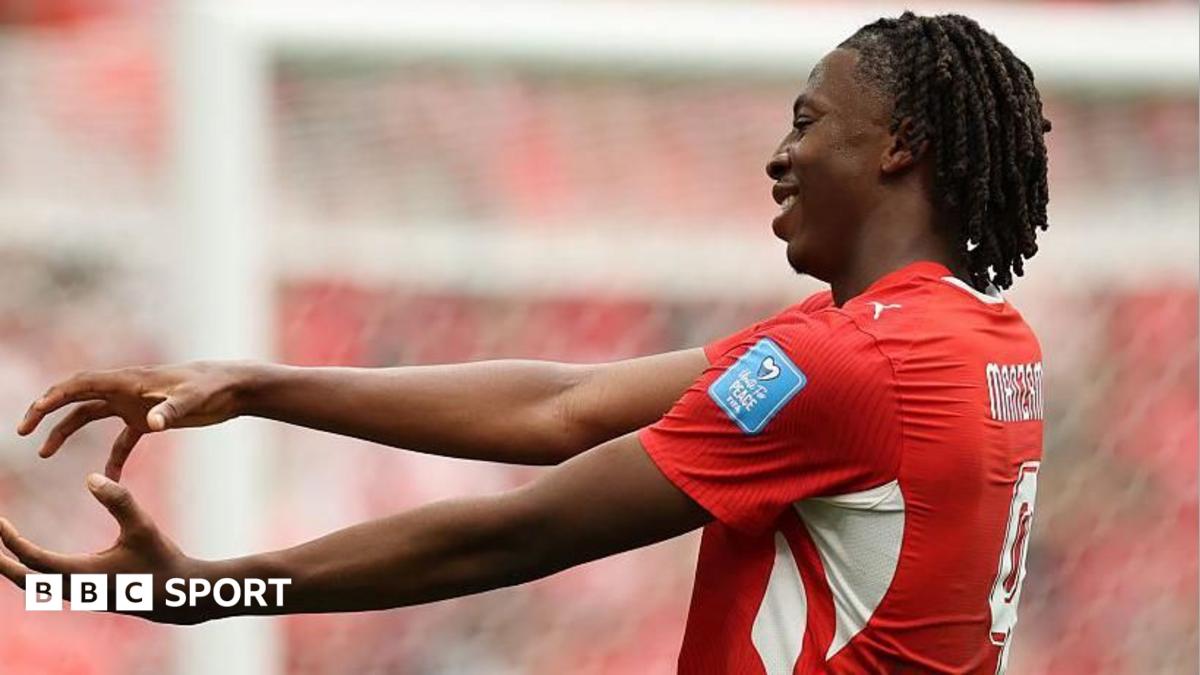
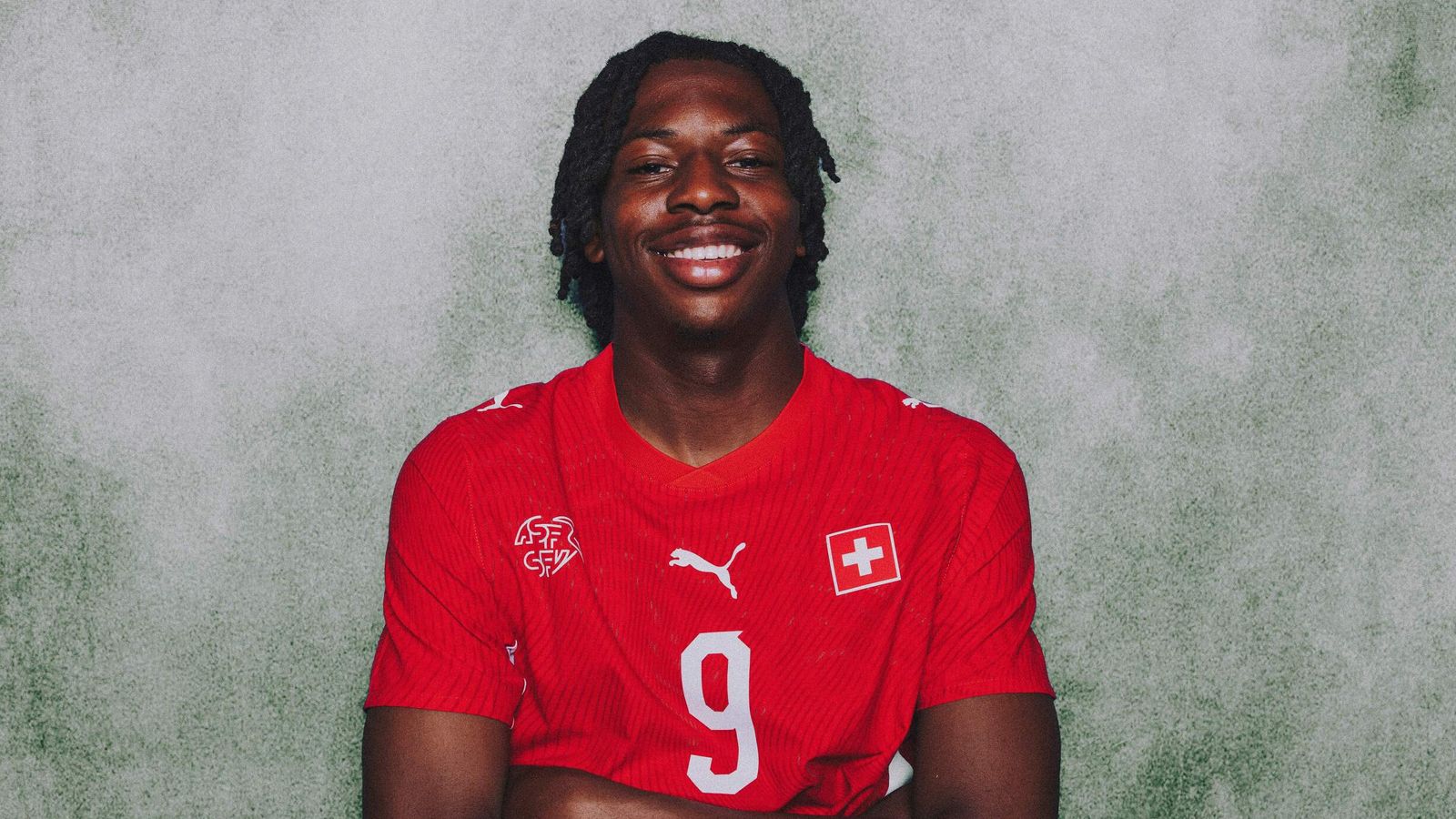
Newcastle plans to reinvest a portion of the Tonali windfall into Freiburg's young winger, Johan Manzambi. According to the latest updates on Sky Sports, Newcastle's interest in the winger has intensified following his World Cup displays.
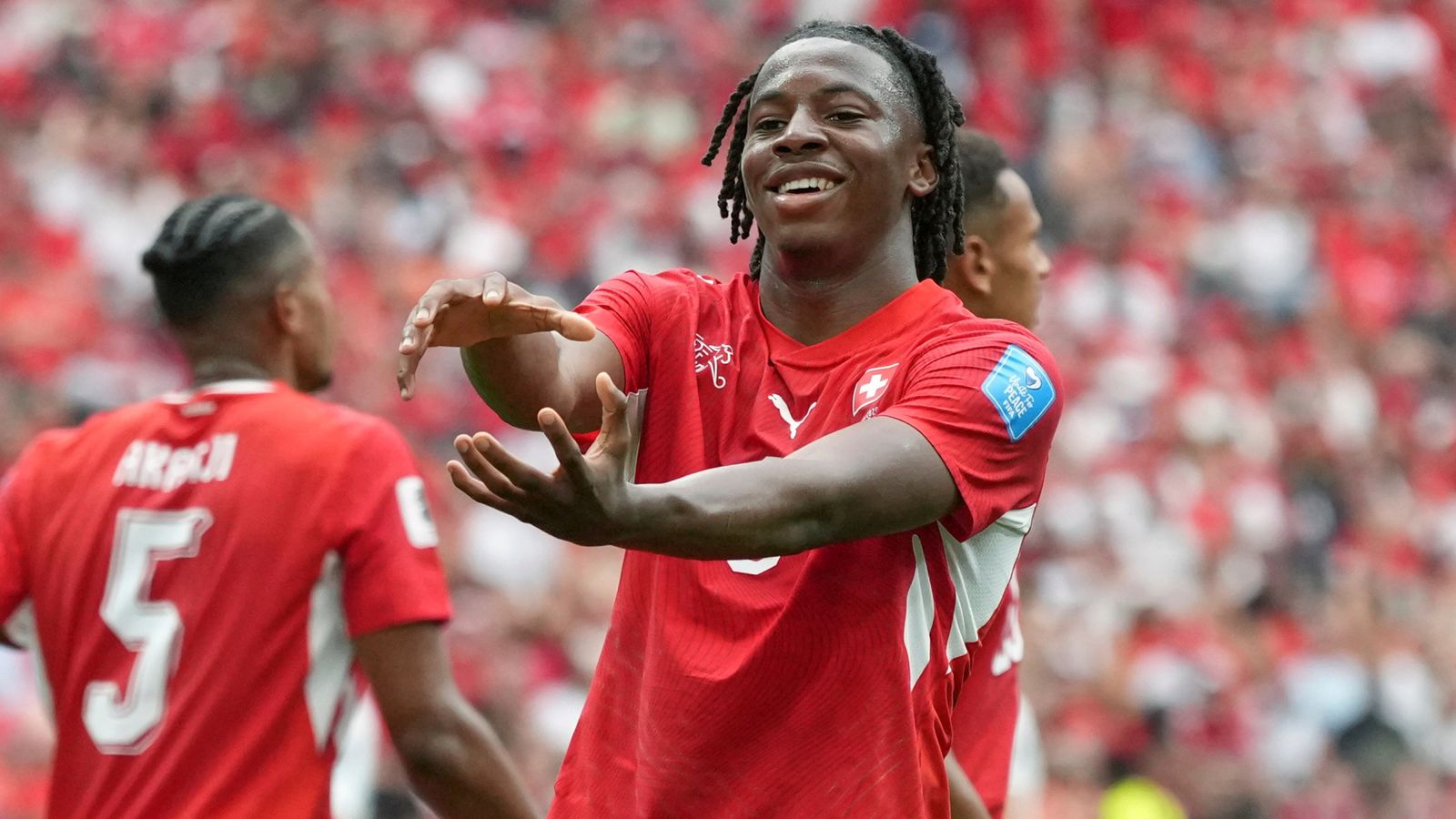
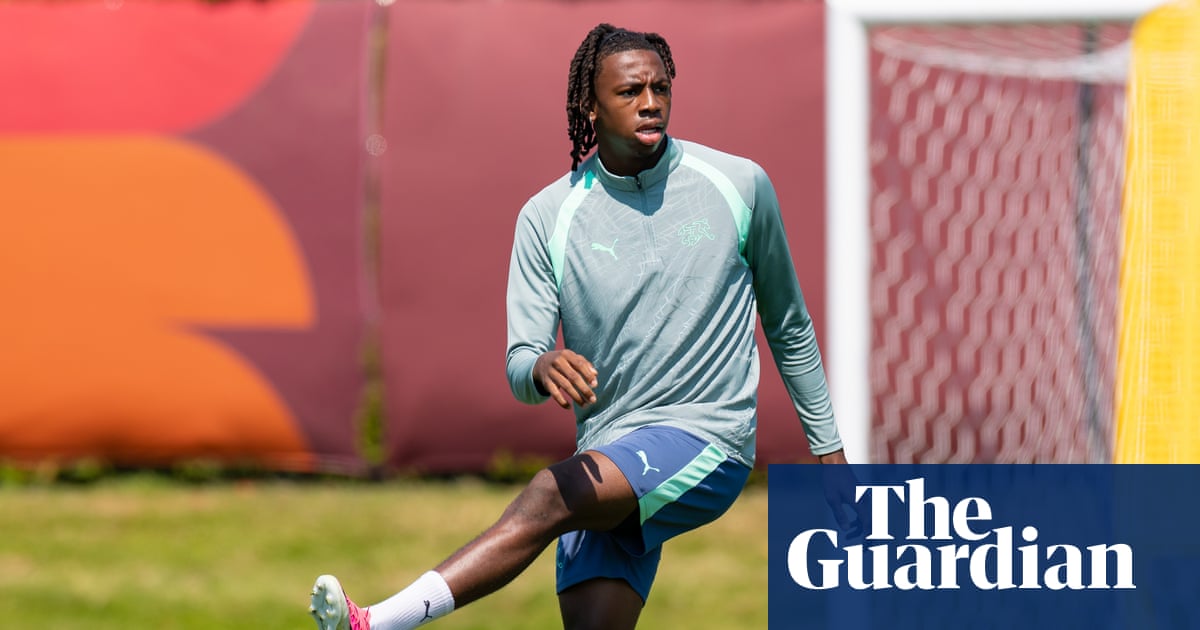
The 20-year-old Switzerland forward has emerged as one of the standout physical talents at the ongoing World Cup in North America. Manzambi played a key role in Switzerland's 2-0 victory over Algeria in Vancouver, helping his side reach the round of sixteen. Newcastle scouts watched as the winger set up Breel Embolo's opening goal with a powerful, high-speed run down the flank.
Manzambi's physical profile makes him an attractive target for Eddie Howe's direct, high-pressing system. The Freiburg winger is currently valued at £42 million after a breakthrough season in the Bundesliga. His combination of explosive acceleration and upper-body strength allowed him to overwhelm Algeria's defensive line throughout the match in Vancouver. According to tournament statistics, his sprint speeds were among the fastest recorded in the group stage.
"At 20 years and 261 days old, Manzambi is the youngest player to reach five goal involvements (three goals, two assists) at a World Cup since records began in 1966."
Newcastle's medical and recruitment teams are auditing Manzambi's injury history before submitting an official bid. The young winger has maintained excellent availability over the past two seasons, avoiding major soft-tissue injuries or joint problems.
His durability is a key selling point for a Newcastle side that has struggled with squad depth in recent campaigns. Acquiring a physically robust winger like Manzambi would allow Howe to transition to a more dynamic, transition-focused attacking structure.
Industry Implications and Strategic Risk Assessment
The £100 million transfer represents a significant strategic gamble for Tottenham's medical and coaching departments. Under their current tactical setup, midfielders must cover vast distances and perform frequent high-intensity sprints. This style of play places immense stress on the hamstrings and groin muscles. If Tonali's physical testing reveals any lingering weaknesses from his past layoff, the system could expose him to recurring injuries.
For Newcastle, selling a key midfielder for a record fee represents a masterstroke of squad planning and financial management. The club successfully rehabilitated the player's career, benefited from his performances on the pitch, and secured a massive profit.
By reinvesting the funds into younger, highly durable targets like Manzambi, Newcastle can build a more balanced squad. This approach reduces the club's reliance on a single high-value asset and distributes physical risk across multiple positions.
The deal also sets a new benchmark in the transfer market for players returning from long-term suspensions. It demonstrates that clubs are willing to pay premium fees for players who prove their fitness and professionalism after a prolonged absence.
The medical assessments completed in London this week will serve as a case study in how modern clubs evaluate physical readiness under extreme financial pressure. The outcome of Tonali's medical will shape both Tottenham's midfield dynamics and Newcastle's summer rebuild.
Read Next
- Tottenham are closing in on a massive £100m deal for Sandro Tonali
- Spurs close in on record £100m Sandro Tonali transfer to spark De Zerbi era
- Spurs signing Sandro Tonali is the exact injection of pure chaos they need
- Spurs agree record £100m Sandro Tonali deal to launch De Zerbi revolution
- 🏆 Europa League Final 2026 — Full Coverage Hub