The Breaking Medical Reality: Physical Burnout Blocks Pep's Azzurri Move
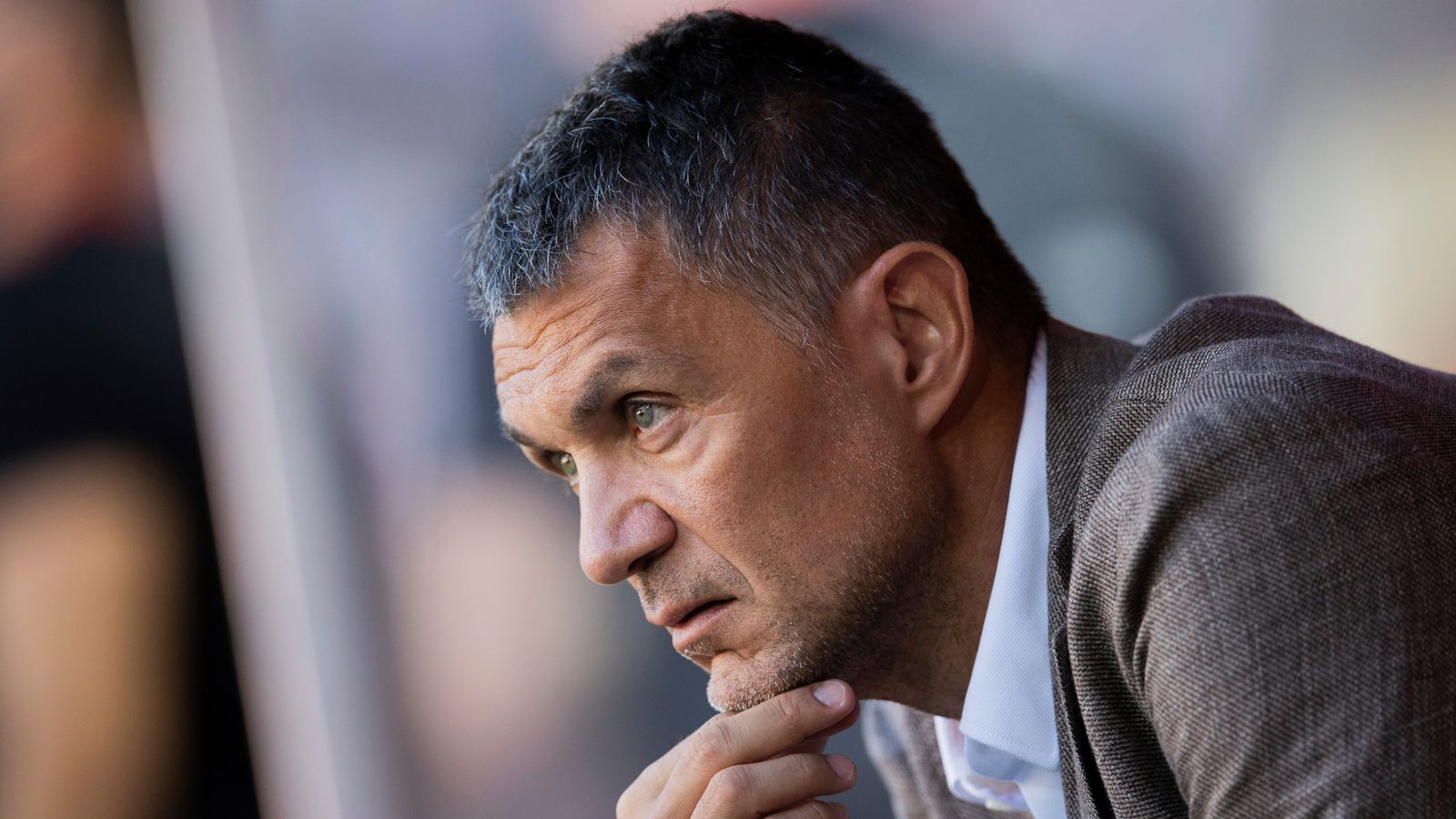
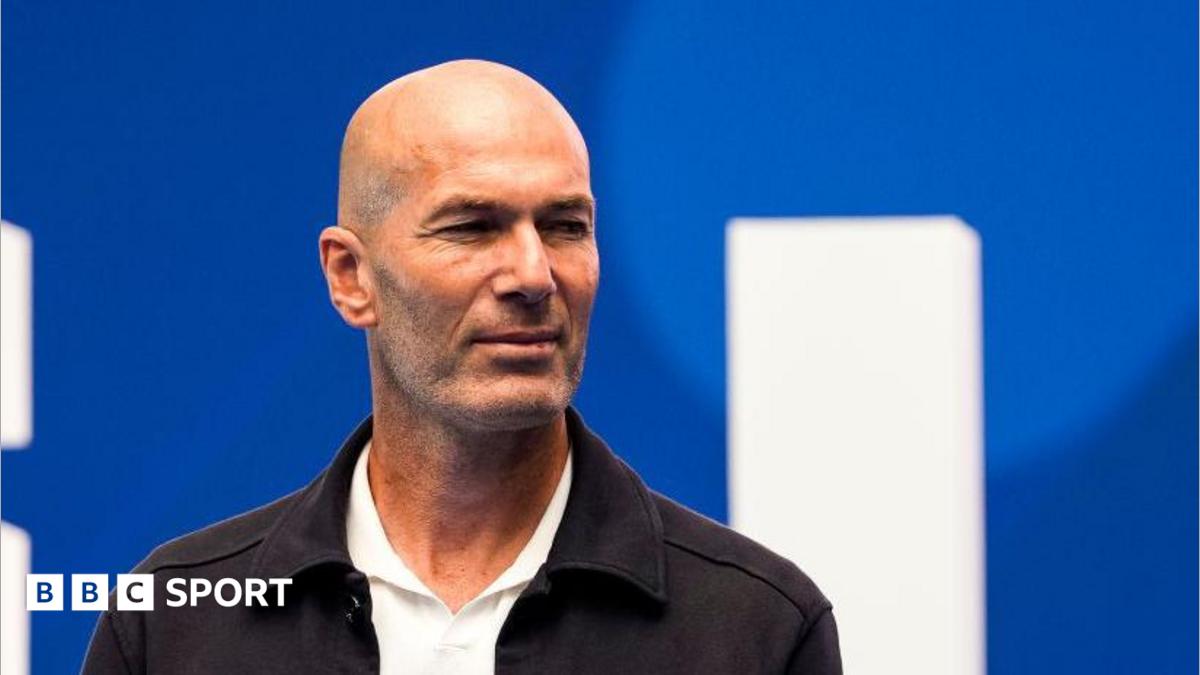
Pep Guardiola came within hours of taking over as Italy head coach this summer, even writing down tactical line-ups on loose paper during an all-day summit in Barcelona. Paolo Maldini confirmed the extraordinary meeting on August 9, 2026, revealing that physical exhaustion and lingering spine issues forced the former Manchester City boss to walk away.
Guardiola spent a decade pushing his body to the limit at the Etihad Stadium. Maldini explained to Corriere della Sera that ten relentless seasons in English football, combined with previous back surgery, left the 55-year-old manager physically unable to start another intense rebuilding project.
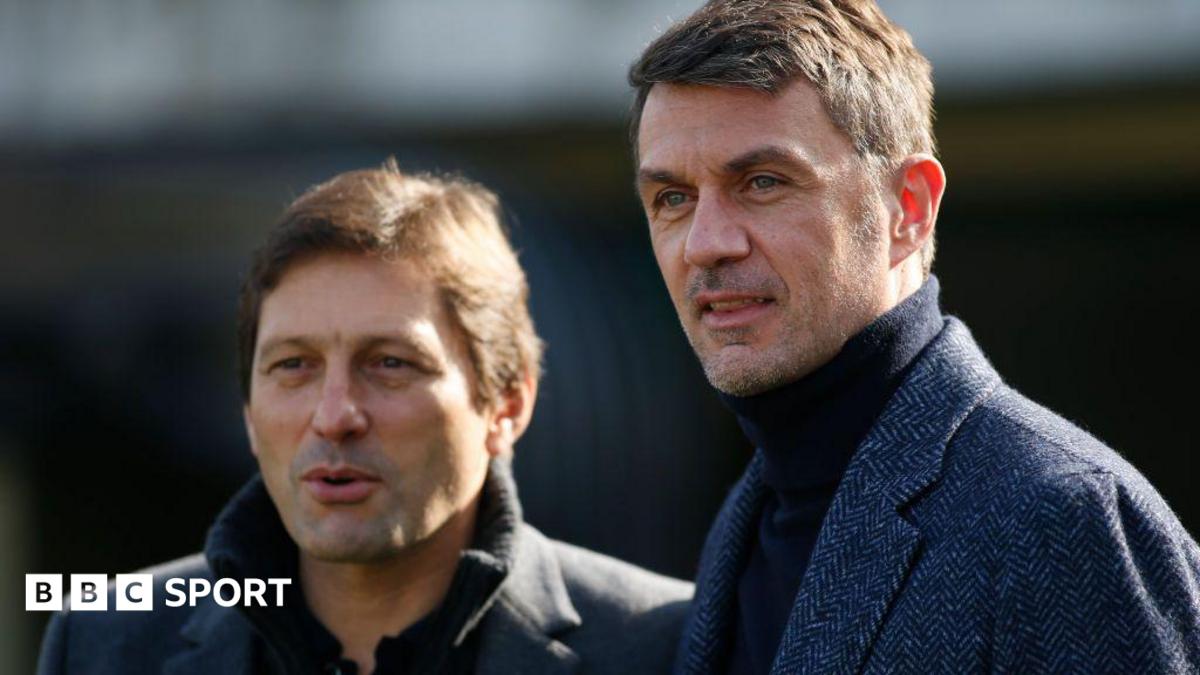
The Barcelona meeting was far more than an exploratory conversation. Maldini and co-director Leonardo spent hours analyzing player rosters alongside Guardiola, dissecting talent profiles from the Italian Under-17 ranks all the way up to the senior team.
Guardiola was so intrigued by the project that money never entered the discussion. He told Maldini he would accept one euro less than predecessor Gennaro Gattuso if it meant reshaping Italian football around attacking technique.
"He was very tempted. He came very close to accepting. He even started writing line-ups down on sheets of paper." — Paolo Maldini
Yet, the physical toll of 13 continuous years on the touchline across Munich and Manchester pulled the emergency brake. Guardiola had promised his family he would reside in Barcelona and rest following his Etihad departure.
His back surgery during his Premier League tenure served as a severe warning sign. Pushing through chronic spinal fatigue without a full sabbatical risked long-term physical damage.
Inside the FIGC Collapse: Governance Chaos and Vetoed Appointments
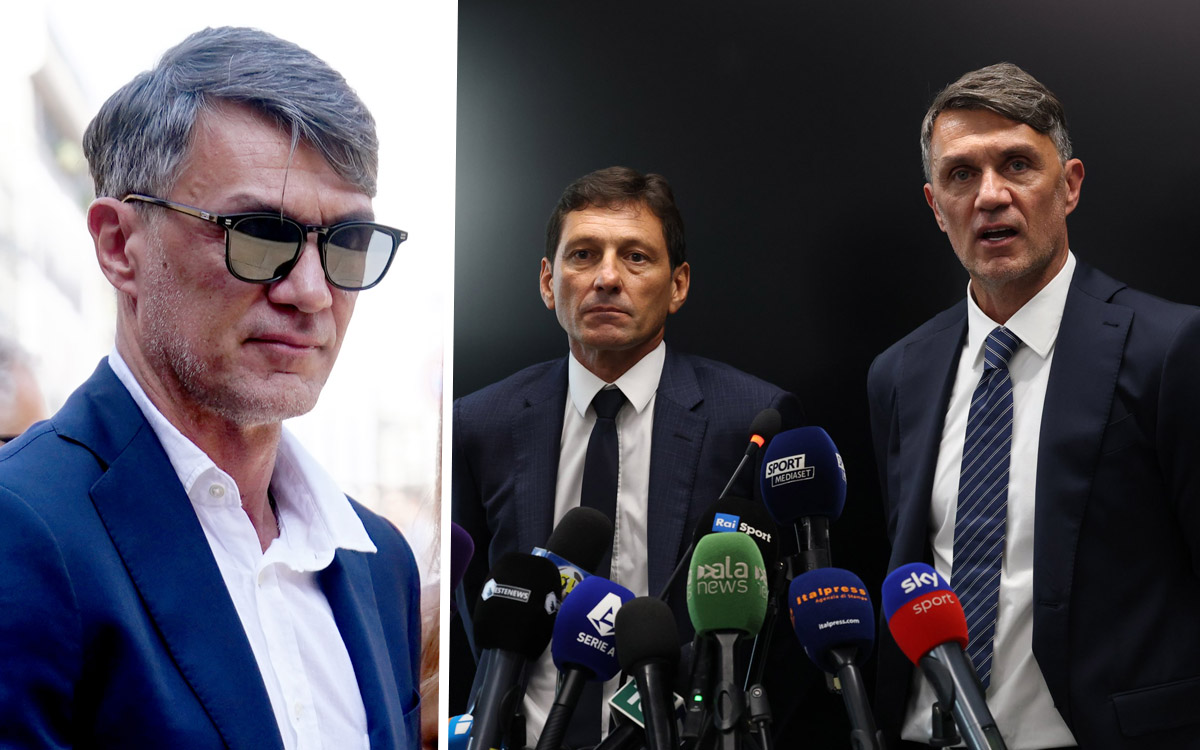
Guardiola's physical rejection triggered an immediate tailspin within the Italian Football Federation (FIGC). Maldini and Leonardo resigned from their posts after just 16 days, walking away before signing their formal four-year contract set for August 1.
Maldini agreed to step into the technical director role after FIGC President Giovanni Malagò contacted him over Easter. The original verbal agreement was explicit: Maldini would select the national team manager, and Malagò would endorse the choice.
Maldini framed a two-track strategy for Italian football. One track focused on long-term technical reform across youth academies and coaching badges, while the second track prepared for immediate Nations League clashes against Belgium, Turkey, and France.
That technical autonomy evaporated almost immediately. When Maldini inquired about target managers Daniele De Rossi and Fabio Grosso, Malagò informed him that political pacts with Serie A club owners prohibited hiring active club coaches.
Maldini then pivoted to 2006 World Cup hero Andrea Pirlo to institute an attacking style. However, Malagò intervened again, blocking Pirlo over commercial links to Russian betting firms.
As SempreMilan reported, Malagò unilaterally changed the governance structure during a single phone call. He told Maldini that from that day forward, the presidency would choose the head coach, leaving Maldini to merely approve decisions.
"From today, the rules will change: I decide who the coach is and you approve it." — Giovanni Malagò to Paolo Maldini
Maldini and Leonardo took 24 hours to evaluate the breach of trust before submitting their resignations. Working under compromised authority was unacceptable for the legendary former AC Milan captain, who won seven Serie A titles and five Champions Leagues across 902 club appearances.
The administrative breakdown highlights deep dysfunction inside Italian football leadership. Promising autonomy to elite figures only to strip it away via backroom club agreements exposes a federation incapable of executing structural modernization.
Maldini spoke out during a period of deep personal grief following the death of Franco Baresi. Having shared 25 years with Baresi at Milan, Maldini credited Baresi's quiet leadership—few words, many actions—as the foundation for his own uncompromising principles.
Historical Context: The Physical Toll of Elite Football Management
Guardiola's physical breakdown reflects a growing medical trend among top managers. Modern elite football demands non-stop tactical preparation, continuous travel, and intense media pressure, leaving coaches vulnerable to severe stress-induced physical ailments.
Back in August 2023, Guardiola underwent emergency back surgery in Barcelona to treat severe nerve pain. He missed two Premier League fixtures against Sheffield United and Fulham while assistant Juanma Lillo managed the team from the touchline.
Managing through chronic spinal conditions presents severe physical challenges. Elite coaching requires standing for hours during daily training, constant long-haul travel, and sitting in high-stress positions during matches.
As noted in Daily Mail interview coverage, Maldini confirmed that physical wear and tear was the decisive barrier stopping Guardiola from taking the Italy job.
"Because of exhaustion. Guardiola is coming off 10 gruelling years in the Premier League. He had back surgery. He wants to rest." — Paolo Maldini
Historical precedent shows that ignoring physical exhaustion leads to sharp performance drops or sudden health crashes. Former Liverpool boss Jurgen Klopp stepped down in 2024 after admitting his energy reserves were completely empty after nine years at Anfield.
Guardiola recognized the exact same physical boundary. Jumping into an emergency national team job while recovering from decade-long wear would have compromised his health further.
Strategic Implications and Italy's Uncertain Horizon
Italy now faces severe operational challenges following their third straight World Cup qualification failure. The federation ultimately reappointed Roberto Mancini for a second stint as head coach, replacing Gennaro Gattuso ahead of upcoming international windows.
Mancini's return represents a safety pick rather than the technical revolution Maldini planned. Reappointing a former manager underlines the federation's inability to attract global tactical innovators when structural authority remains bound to political administrators.
The failure to secure Guardiola also reverberates across international football. Before Thomas Tuchel agreed to a contract extension with England following their World Cup semi-final exit against Argentina, the FA held verbal discussions with Guardiola regarding the Three Lions job.
As detailed by The Mirror's report, Guardiola turned down both international powerhouse nations for the exact same reason: a non-negotiable need for physical recovery.
Guardiola will remain on sabbatical in Barcelona, prioritizing spinal health and family life over touchline pressure. Meanwhile, Italian football remains trapped in administrative paralysis, having missed its best opportunity for a modern tactical reboot.
Read Next
- Jaissle's Newcastle debut showed promise, but squad depth is still a problem
- Barcelona are gambling everything on Rodri while Tottenham push for Savinho
- English football hasn't learned a damn thing in fifty years
- Arsenal and Liverpool collide in the race for Bradley Barcola
- 🇮🇹 Italy at the 2026 World Cup — Full Coverage Hub