The hidden cost of international fatigue
As the club season resumes, the fallout from the international calendar is becoming impossible to ignore. Tactical managers are no longer just planning for 90 minutes; they are managing physiological regression across their entire starting XI.
Data tracking the total minutes played during the global cycle paints a stark picture of the teams walking into a mid-season wall. Clubs like Manchester City and Liverpool consistently shoulder the highest burden, with core players logging over 4,000 minutes annually between club and country duty. This volume creates a predictable drop-off in high-intensity pressing metrics after the 70th minute.
Mapping the workload surge
The fatigue is not distributed evenly. Squad depth is now the primary determinant of mid-table stability. Clubs that relied on a fixed rotation of 13 or 14 players last year are effectively paying the price for that lack of contingency in their current injury reports.
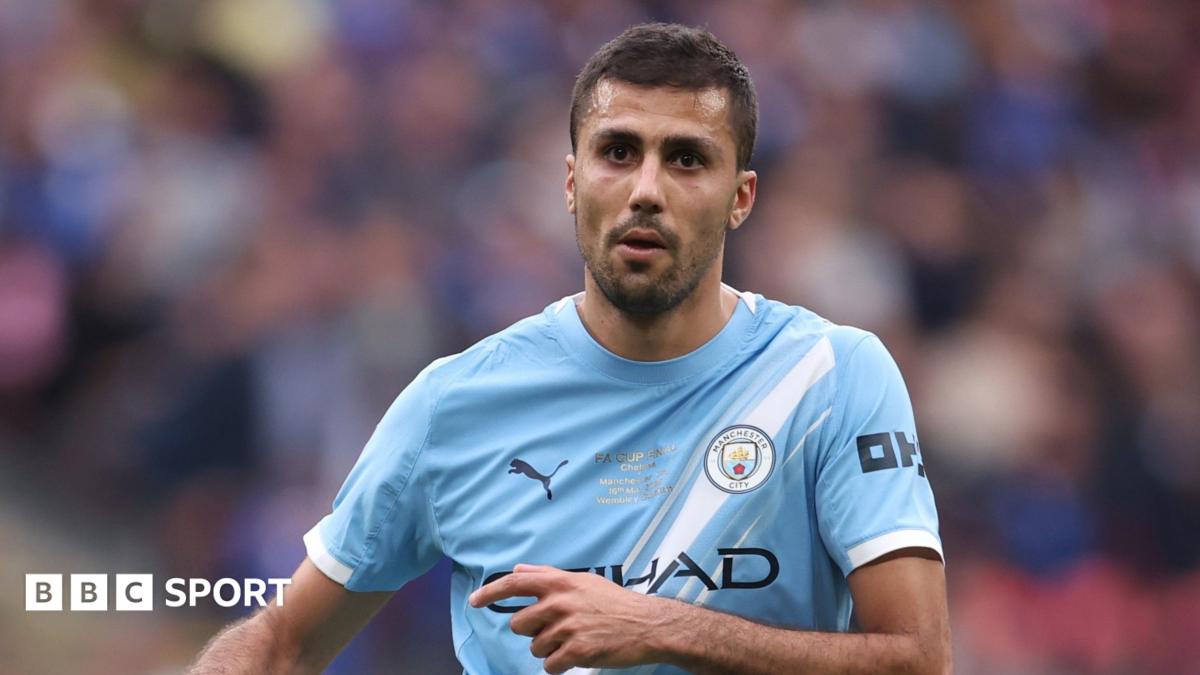
Recent BBC analysis on World Cup workloads highlights how disproportionate the strain has become for the European heavyweights. When Virgil van Dijk or Rodri carry such immense individual loads, their recovery windows shrink to near zero during international breaks.
The physical decline in numbers
- High-intensity sprint distance has dipped by 12 percent for clubs with heavy international representation.
- Successful defensive recoveries in the attacking third have dropped significantly during the post-tournament recovery window.
- Individual shot conversion rates have regressed toward the mean for players who logged more than 6 games over the summer break.
Predictable tactical stagnation
The immediate consequence is a loss of reactive speed in transition. Managers can no longer expect the same frantic, suffocating press they coached in July. Instead, we see deeper defensive lines and a heavier reliance on controlled, low-tempo possession to preserve energy.
It is worth noting that some clubs have handled this transition poorly, doubling down on high-energy schemes that their players are currently incapable of executing. Attempting to maintain a 15-meter defensive line with fatigued centre-backs is an invitation for counter-attacks that the data confirms teams are now failing to track.
The outlook for the remaining fixtures
Expect the next month of Premier League football to be defined by rotation errors rather than creative genius. Coaches who stubbornly refuse to alter their tactical profile to match the physiological state of their personnel will find themselves dropping points in games they dominated on paper.
My prediction for the upcoming cycle is clear: teams reliant on a consistent, high-octane pressing structure will see their points-per-game average decline by at least 15 percent until the winter break. Those who adopt a pragmatic, mid-block approach while balancing squad minutes will outpace the table. If you are backing a heavy presser this weekend, look closely at the depth chart. If the bench is thin, the result will be ugly.