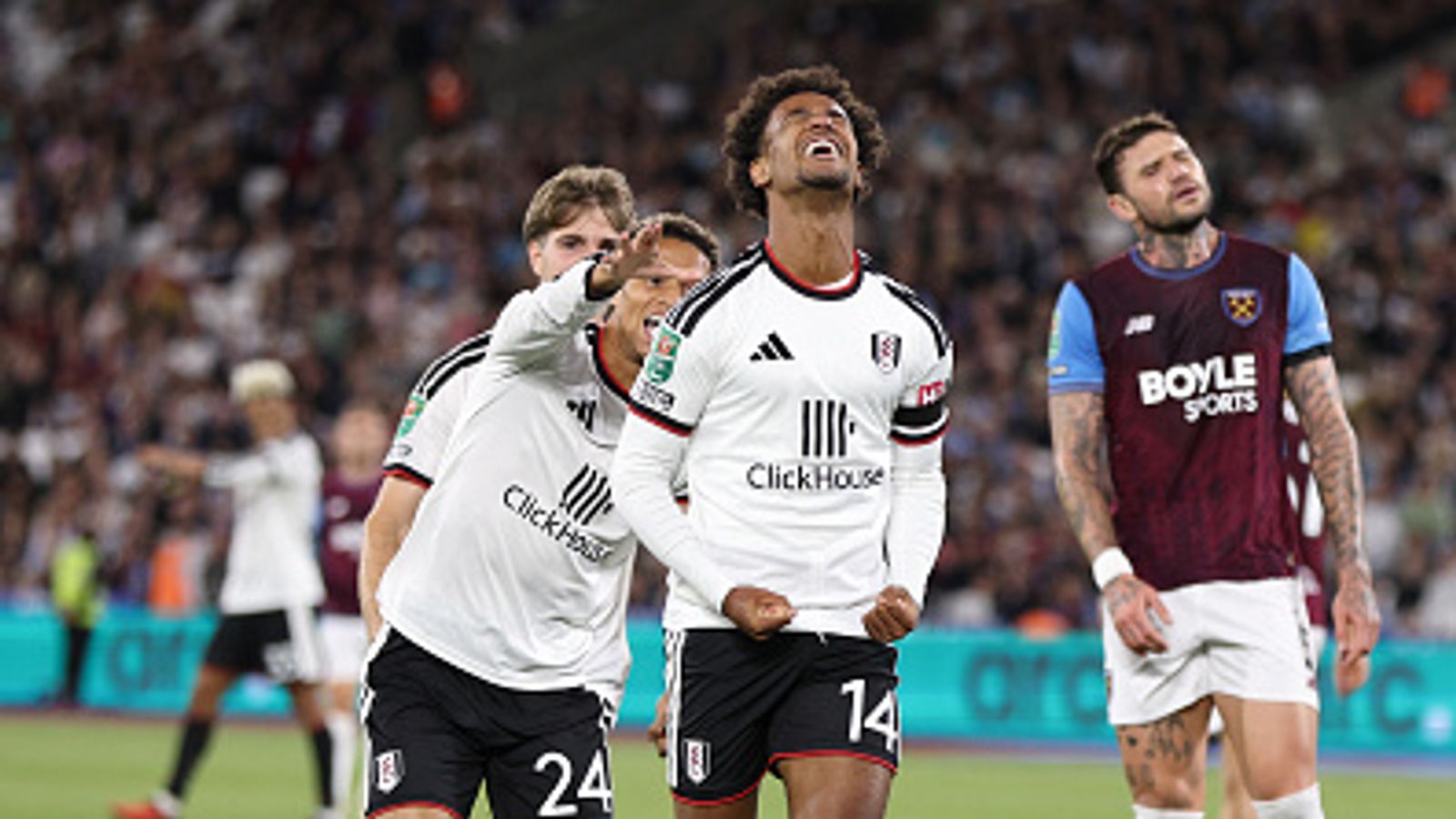
The Summerville vacuum at West Ham
West Ham United finds itself at a crossroads after confirming the sale of Crysencio Summerville to Al-Hilal. The move, while financially lucrative for the London club, has left a significant void on the flanks. This deal underscores a wider trend of Saudi Pro League wealth impacting Premier League squad composition during this summer window.
As reported by the BBC, the deal is already finalized. Summerville’s departure changes the immediate outlook for next season. He provided reliable verticality, and replacing that profile on short notice is rarely cheap or straightforward. The club now faces the task of reinvesting that cash before the market slams shut on September 1.
The defensive pursuit stalled
Brentford remains aggressive in their search for reinforcements, specifically targeting West Ham’s defensive ranks. However, negotiations are currently hitting a wall. According to Sky Sports, the Irons have firmly labeled defender Diouf 'not for sale.' That stance complicates life for the Bees, who need to bolster their backline to survive the rigors of the top flight.
This firm stance from West Ham might be a tactical bluff to drive up the asking price, or simply a sign that the club cannot afford to weaken their structure further. Losing Summerville is one thing; stripping the defensive rotation is quite another. Any further sales will require a massive internal debate regarding squad depth.
Tactical friction and market reality
The wider transfer market has devolved into a high-stakes standoff. As noted in recent analysis from The Mirror, the sheer volume of capital moving through the league is creating a distorted reality for mid-table operations. Clubs like West Ham are caught between selling assets to balance the books and needing to stay competitive in an increasingly expensive environment.
The issue here is long-term sustainability versus short-term wins. While Chelsea is busy poaching personnel like Austin MacPhee for their coaching staff, West Ham is essentially rebuilding their attack from scratch. The lack of a clear succession plan for Summerville remains a valid criticism. If the replacement lacks the tactical discipline or technical ceiling of their predecessor, the club could easily slide down the table.
The current state of play suggests that the next few weeks will be defined by panic buys as teams scramble to address these holes. We are approaching a point where every missed target carries a heavy cost. The drop-off in production from the wing will be noticeable unless internal recruits can bridge the gap immediately.
Probability assessment
The likelihood of Diouf moving remains low as of July 25. While public statements of 'not for sale' are often prone to change, the current deadlock suggests a 30% chance of a deal being struck before the deadline. West Ham’s priority is currently finding an attacking replacement, not selling defensive assets. Expect the status quo to persist unless a record bid arrives that forces their hand. The timeline for any major activity is likely to accelerate only in the final 72 hours of the window.
Impact analysis
If the current situation settles with no major arrivals to replace Summerville, West Ham will undoubtedly struggle for creative output. The loss of a dynamic winger forces the full-backs to push higher, which inevitably opens them up to counter-attacks. They are currently thin on options who can take players on in 1v1 situations. Unless they find a direct equivalent soon, the team’s goal contribution numbers will likely dip significantly compared to last season.