West Ham are playing not to lose and it is dragging them toward relegation
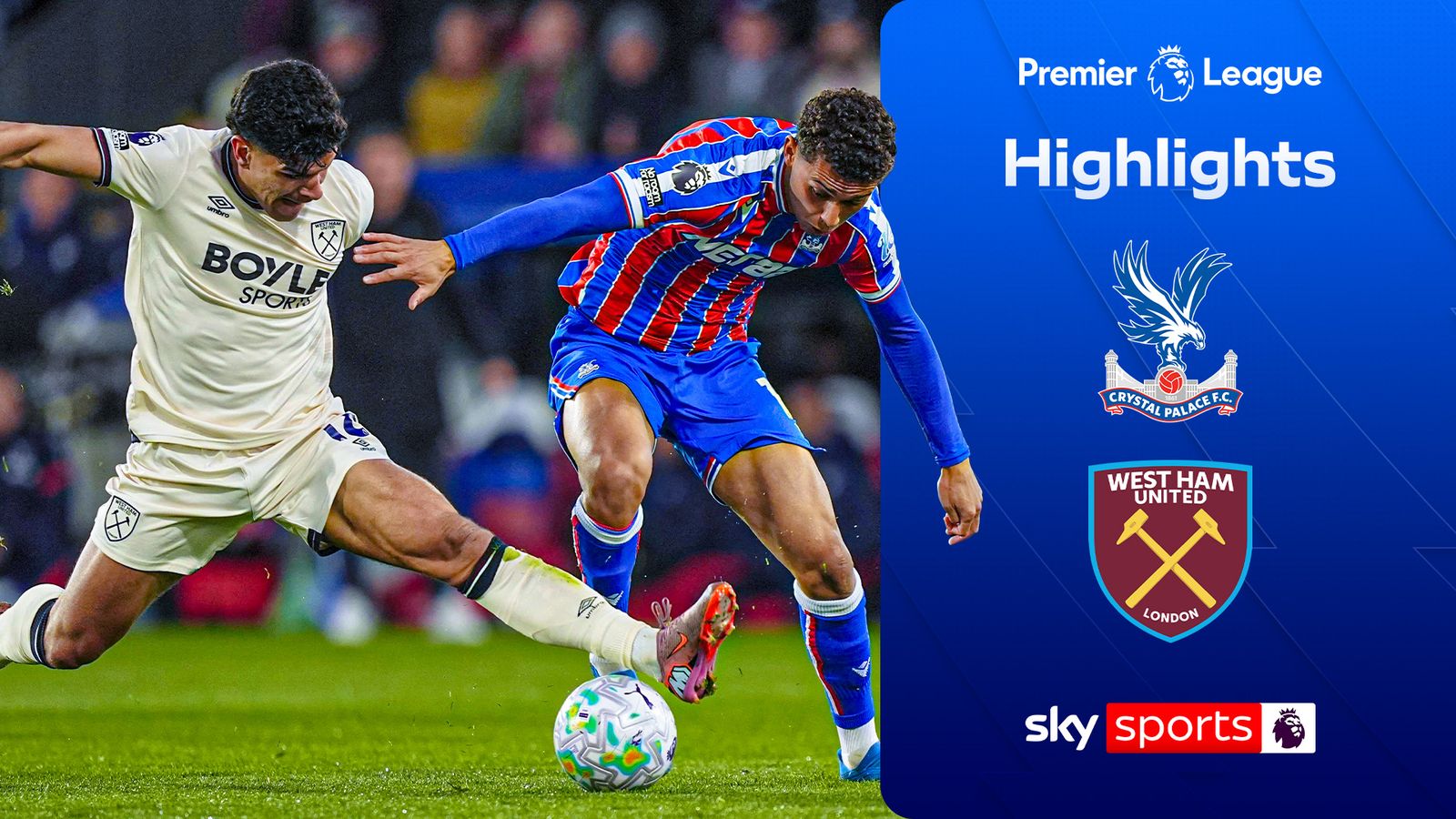
David Moyes is nursing a survival strategy that feels like a death sentence
Watching West Ham United navigate the final stretch of the season is an exercise in profound frustration. The 0-0 stalemate against Crystal Palace yesterday confirmed what we have suspected since February. The team has retreated into a defensive shell that lacks the tactical flexibility to secure three points, even against bottom-half opposition.
The move to sit two points above the drop zone is statistically precarious. It suggests safety, but the reality on the pitch points to a collective failure in the final third. Against Palace, the lack of pressing intensity was staggering. Managers often argue that a clean sheet away from home is a result to build upon, yet that logic fails when you possess the attacking talent currently on the West Ham roster.
The math of stagnation
Looking at the raw output, the creative deficit is clear. We saw Jarrod Bowen isolated on the right flank repeatedly, effectively neutralized by Palace defenders who weren't stretched by any overlapping threats. When your primary internal dynamic involves keeping ten bodies behind the ball while hoping for a fluke transition, your points-per-game average will inevitably crater.
Security at the back cannot compensate for a total collapse of attacking chemistry. Recent results indicate the club is playing for survival rather than progression. This mentality is exactly how clubs find themselves in a downward spiral as the season hits its final 30 days. Fans are right to demand more, especially when you consider that the overall performance metrics from Selhurst Park showed a team devoid of urgency.
The failure of the midfield pivot
The tactical setup in the middle of the park yesterday was arguably the most egregious failure. By pairing two defensive-leaning midfielders, the team effectively severed the connection to the strikers. It forces the wide players to track back deeper than necessary, effectively leaving the forward line to starve on long balls that never find their target.
If you don't control the center, you don't control the game. It is a simple concept that has somehow eluded the current tactical briefing at London Stadium. Without a ball-carrier capable of driving through the lines, West Ham remains predictable, slow, and dangerously susceptible to counter-attacks against better-organized sides.
With the upcoming matches appearing on the horizon, the lack of a proactive strategy will be punished. There is a glaring hole in the creative engine that can no longer be ignored with excuses about clean sheets. A point gained against an equal opponent is not a triumph if you finish the match with an xG of under 0.5.
The club is currently holding a lead of 2 points in the race for survival. That is a razor-thin margin for a side that rarely looks like scoring more than once in a given 90-minute window. If the technical staff does not adjust the high-block positioning and introduce a more aggressive transition game, the results against superior opposition will be predictable. The path ahead is not complicated, yet they are running with heavy feet.
A lingering tactical stagnation
Defensively, one could argue the structure held firm, but that is the bare minimum expectation. Relying on individual moments of brilliance from attackers who are being asked to defend for 70 minutes of every match is a flawed blueprint. The physical toll on players like Bowen, who are forced to chase the game in their own half, is visible.
We have to be critical of the bench management as well. Bringing on substitutes after the 75th minute to chase a goal is not a winning tactic; it is theater. It signals to the squad that the ambition is merely to survive the final whistle rather than force a mistake from the opponent.
If the season ended today, the survival would be considered a hollow achievement. This group is built for more than just avoiding the trapdoor, yet it is currently trapped in its own fear of failing. True progress would see a team that pushes to capitalize on these draws, turning them into decisive wins that alleviate the pressure. Right now, the club is merely waiting for the season to end rather than taking agency over its outcome.
Pep Guardiola: The Evolution
The tactical deep-dive every Premier League nerd needs on their coffee table.
More Coverage

Arsenal face Leeds with Arteta locked in and a point to prove
1 week, 4 days ago
Why Tottenham Are Screwed and Man City's Perfect Start Means Nothing
1 week, 4 days ago
Tottenham are stuck at the bottom and history says they should panic
1 week, 4 days ago
Top 10: World Football's Biggest Storylines, Scandals, and Shocks of 2026
1 week, 5 days ago
Why Martin Odegaard and Premier League Stars Are Obsessed With VR
1 week, 5 days ago
Portugal are finally better off without Cristiano Ronaldo
1 week, 6 days agoMore Analysis

Carlton Cole: Thomas Tuchel is wrong to freeze out Jarrod Bowen
3 weeks, 2 days ago
Top 10: Top Moments
3 weeks, 3 days ago
Top 10 Moments: Fulham Edge West Ham in Five-Goal Carabao Cup Thriller
1 month ago
Why the Premier League is ending automatic minute's silences
1 month, 1 week ago
Jack Grealish won't save Everton's chaotic transfer deadline day
1 month, 2 weeks ago