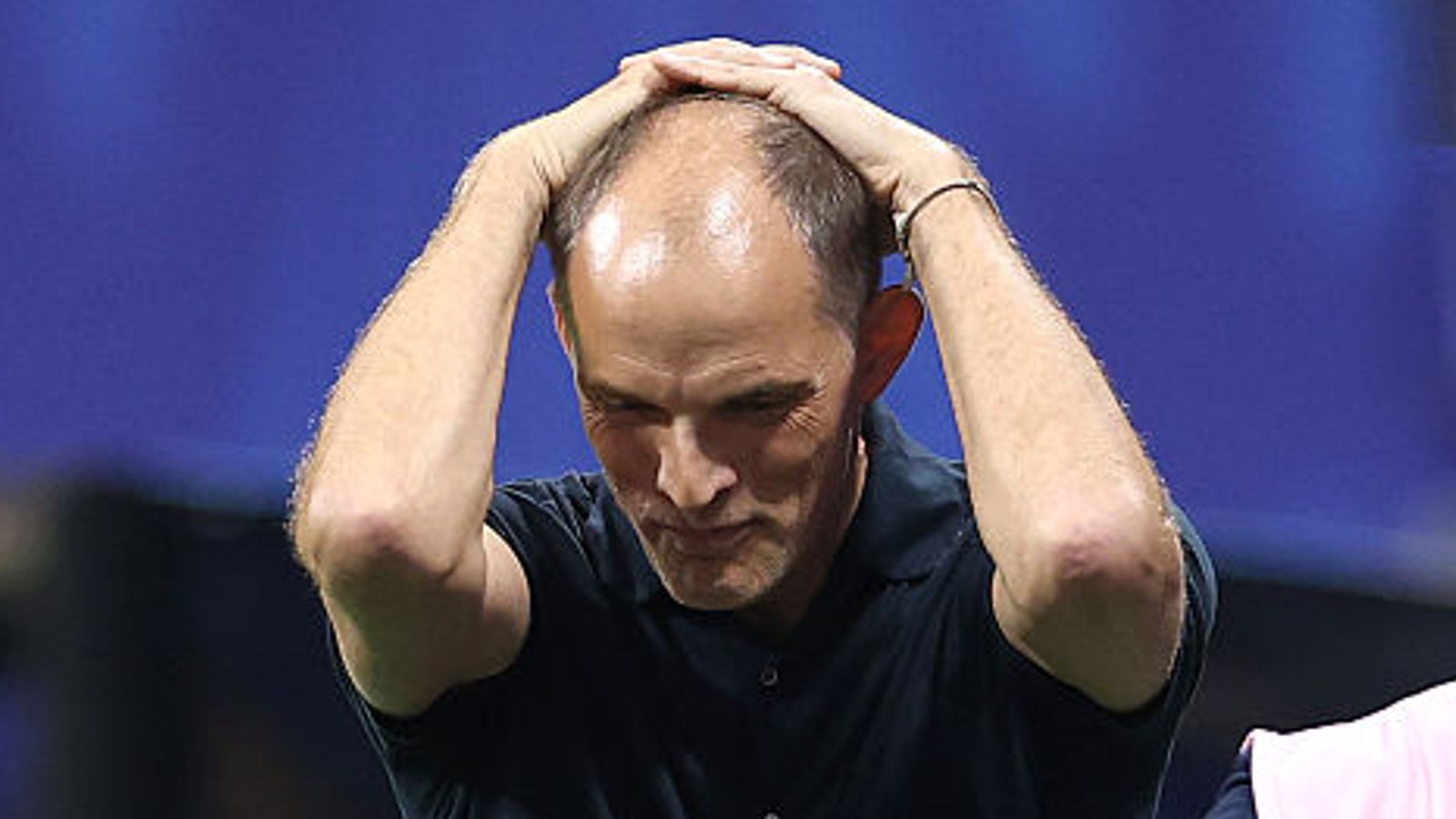
England’s Texas turnaround hides defensive fragility
Thomas Tuchel’s arrival as England manager has brought immediate tactical adjustments, yet the opening result masks glaring issues in the backline. Despite the win, England’s defensive structure allowed clear chances that would have been punished by more clinical opposition. The data from their Texas opener reveals a team that relies heavily on individual brilliance rather than consistent defensive discipline.
The Bellingham pivot and set-piece efficiency
The most striking shift under Tuchel was the deployment of Jude Bellingham in a freer attacking role. Bellingham’s positioning created a numerical advantage in the final third, forcing the opposition to commit extra bodies centrally. When utilized correctly, this space allows England’s wingers to isolate defenders. Yet, the setup remains lopsided.
As reported by the Daily Mail, Tuchel relied on a specific set-piece routine reminiscent of recent Arsenal tactics to break the deadlock. It is a welcome addition, but set-pieces are rarely a sustainable foundation for long-term tournament success. The manager’s half-time intervention was necessary, but relying on a dressing-room rant suggests a lack of initial tactical clarity.
Defensive metrics paint a worrying picture
Beyond the highlights, the expected goals against (xGA) for England during the first 45 minutes sat at a concerning 0.85. This figure is dangerously high for a team aspiring to lift international trophies. Tuchel’s substitutions improved the intensity in the second half, yet the defensive transition between his chosen formation and the opposition’s counter-attack remains porous.
The defensive line consistently lost one-on-one duels in wide areas. With a 42% win rate in defensive ground duels recorded during the match, England struggled to suffocate threats before they entered the box. If Tuchel aims to implement a coherent pressing identity, those numbers must shift significantly before the knockout stages.
Scheduling headaches in the north
While Tuchel navigates his international project, domestic football faces its own logistical constraints. The Scottish Premiership announced this week that Celtic’s title defense begins on a Monday due to external venue conflicts, including a Calvin Harris concert. As noted by the BBC, the club expressed frustration with the Monday start on August 3. It highlights the recurring clash between commercial interests and the integrity of league scheduling.
The contrast between the high-stakes world of international management and the practical indignities of domestic fixture lists is stark. For Tuchel, the job is to fix a leaky defense before the talent-heavy squad is exposed against elite competition. For teams like Celtic, the challenge is maintaining momentum when the calendar is dictated by non-sporting events.
Read Next
- Jude Bellingham is carrying an imbalanced England side
- Jude Bellingham is carrying England on his back right now
- Thomas Tuchel actually has a pulse and England fans should be terrified
- England's defensive fragility will haunt them long before the semi-finals
- 🏴 England World Cup 2026 — Three Lions Hub