The reality of Spurs' transfer strategy
Tottenham's summer window is shifting from aggressive ambition to a blunt lesson in market limitations. The club’s pursuit of Sergej Milinkovic-Savic ended abruptly after an outright rejection, with internal assessments concluding the midfielder was not a fit for Ange Postecoglou’s high-octane setup. This represents a significant pivot from the early-window optimism surrounding their midfield rebuild.
The failure to secure primary targets puts immediate pressure on the current personnel. With the season approaching, the reliance on existing rotational options, specifically in the holding and box-to-box roles, is becoming a point of contention among supporters. When a move falls apart due to a player being deemed not good enough, it signals a disjointed scouting process that the front office needs to address before the window closes.
The Bergvall conundrum
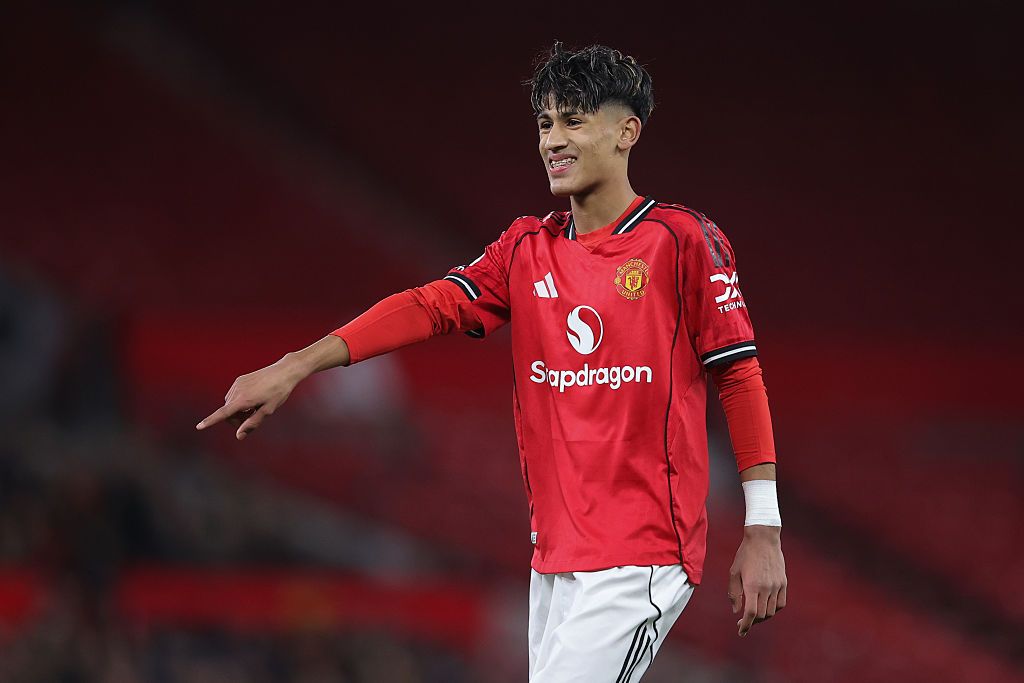
Meanwhile, the status of Lucas Bergvall remains the most intriguing sub-plot at Hotspur Way. Roberto De Zerbi, who is managing the transition phase, has reportedly made a definitive decision regarding the youngster's immediate exit. The club had toyed with the idea of a loan to facilitate quicker development, but the current stance suggests a shift in favor of keeping him within the first-team environment.
Retaining Bergvall is a gamble. If he fails to secure meaningful minutes in the Premier League, his development risks stagnation. Tottenham’s inability to land experienced reinforcements forces them to trust youth, which worked in flashes last season but remains inconsistent. As TeamTalk recently detailed, the indecision regarding his status reflects a wider lack of clarity in Spurs' long-term squad planning.
Arsenal find consistency where Spurs struggle
While Tottenham grapples with personnel issues, Arsenal are doubling down on internal solutions. Jack Wilshere has been vocal about the progression of Ethan Nwaneri and Myles Lewis-Skelly, suggesting the latter is already ready for regular senior involvement. Wilshere’s assessment, reported by Sky Sports, highlights a stark contrast in organizational philosophy.
Arsenal’s academy pipeline is currently producing players that the coaching staff trusts to make an immediate impact. In contrast, Tottenham’s hesitation—as seen in the failed pursuit of Milinkovic-Savic—shows a club trapped between chasing established names and failing to identify those who actually fit their tactical needs. The result is a messy middle ground that serves neither the veteran core nor the emerging prospects.
The strategic failure
The decision to abandon the Milinkovic-Savic pursuit was late, occurring well into the preseason period. This leaves the recruitment team scrambling for alternatives with a diminished leverage pool. The market for high-quality midfielders has dried up, and prices for available backups have surged. By wasting weeks on a target that was ultimately rejected, Tottenham has effectively narrowed their own window for success.
History is not kind to teams that fail to address midfield holes during the August window. The squad is currently thin, and an injury to a key starter would expose the lack of depth immediately. If the recruitment team does not pivot to a secondary target by mid-August, the club will enter the campaign with 13 fewer viable squad members than the top-tier competition requires. This is not a winning formula for a side with top-four aspirations.
Financial and tactical consequences
The financial resources are there, yet the execution remains flawed. When scouting reports flag a player as 'not good enough' after the club has already initiated contact, it points to a breakdown in communication between the data analytics department and the coaching staff. This is a recurring issue that has plagued multiple managers at Tottenham over the past decade.
Expectations for this season were high, but the lack of movement suggests a regression. If the club continues to oscillate between chasing marquee names and hoarding young talent without a clear path to the pitch, they will continue to fall behind. The 2026-2027 season is looming, and Tottenham looks no more prepared for the grind than they were in May.
Read Next
- Jadon Sancho is the ultimate cautionary tale for modern football
- Arsenal’s aggressive gamble on Vinicius Jr and the cost of total squad turnover
- Arsenal's gamble on Bruno Guimaraes will redefine Mikel Arteta's midfield
- Arsenal target Vinicius Junior as Real Madrid set asking price for summer blockbuster
- 🏆 Europa League Final 2026 — Full Coverage Hub