The Big Picture
The 2026 World Cup group stage was defined by chaos, logistical nightmares, and a handful of individual moments that separated contenders from the debris. While tactical stalemates dominated the narrative, these ten incidents represent the absolute peak of the tournament so far.
1. The Canadian Breakthrough
Stephen Eustaquio ended decades of frustration with a stoppage-time rocket at SoFi Stadium. This clinched a 1-0 result against South Africa, pushing Canada into the round of 16. The sheer volume of the Los Angeles crowd confirmed that the co-hosts have captured the country's imagination. It ranks first because it is the only moment that fundamentally changed the national trajectory of a program.
2. Steve Clarke’s Departure
Scotland boss Steve Clarke officially stepped down following the group stage exit yesterday. His decision to leave marks the end of an era for the Tartan Army, coming right as the team failed to find consistency in their final fixtures. It is a grim highlight, yet it remains the most significant shift in the managerial market this summer. The timing suggests deep internal friction regarding the team's tactical stagnation.
3. England’s Tactical Gridlock
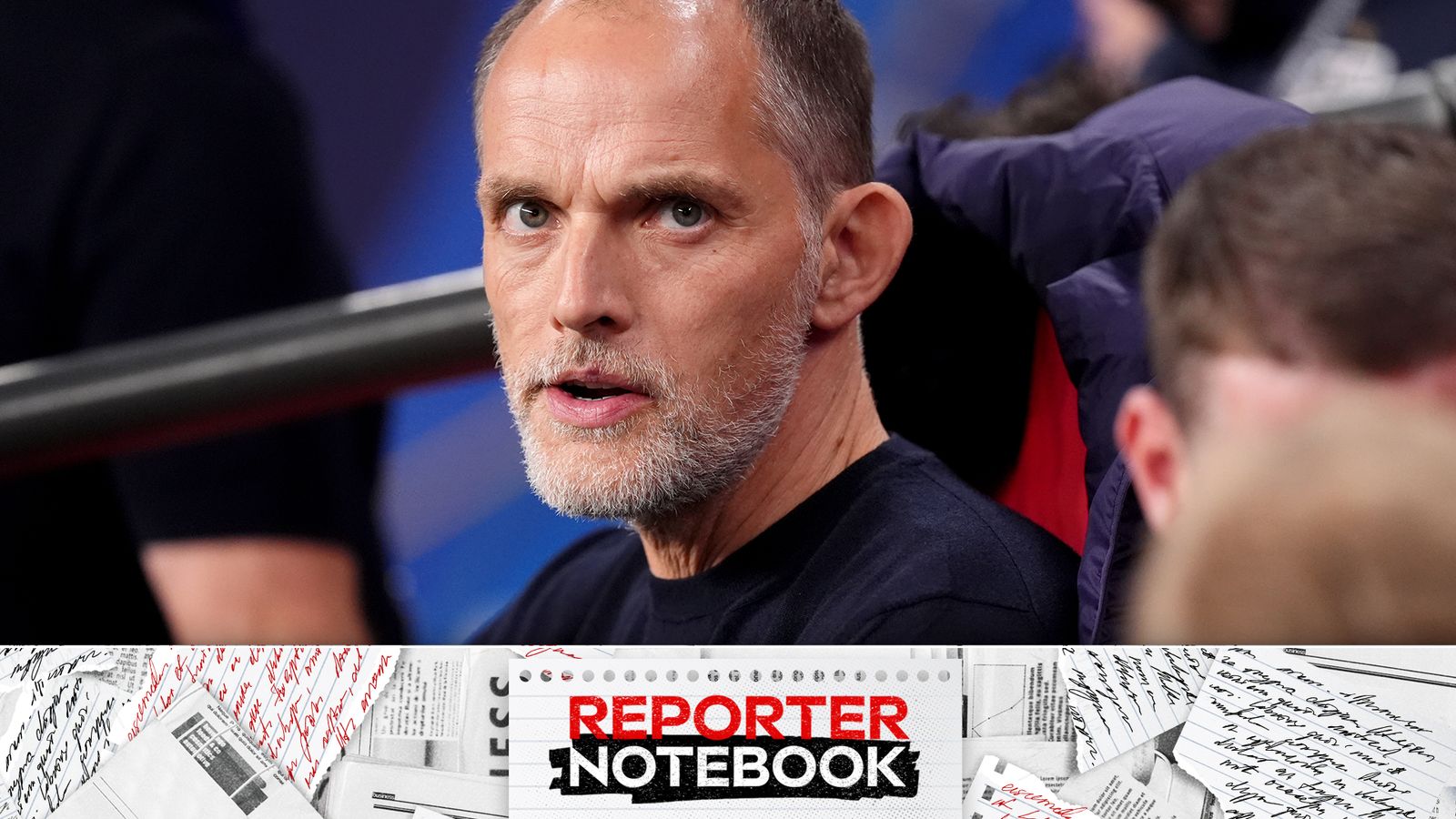
Thomas Tuchel has struggled to force his squad to click, leading to a series of disjointed performances across the East Coast. Fans are facing empty bank accounts after expensive travels only to watch a side that lacks creative fluency. The reliance on a single duo to carry the output is glaringly unsustainable. If they fail to evolve, this remains a failure of management rather than talent.
4. The Tactical Defensive Shift
Several smaller nations utilized a mid-block that forced elite teams into lateral regression. We saw this specifically in the Paraguay matchups, where the low block dismantled possession-based attacks. It disrupted the pace of the tournament significantly, forcing FIFA to address the stagnation of the ball in play. The result was a duller product for viewers, but a masterstroke for underdogs.
5. The Logistical Chaos
The travel demands placed on players and supporters have been a recurrent theme throughout the first two weeks. Stories of cancelled flights and delayed arrivals have plagued the logistics of getting to match sites. When fans arrive only to see disjointed play, the spectacle suffers. It is the ugliest part of a tournament spread thin across such massive geographic distances.
6. The Rise of the Mid-Table Specialists
Players outside the top-five European leagues have consistently outperformed the squad players of the world heavyweights this June. Their hunger in one-on-one duels has been the defining physical trait of this tournament. These athletes are effectively playing for their next record-breaking transfer deals. Their energy levels have consistently outpaced the heavy-legged stars of the Premier League.
7. Var Intervention Frequency
The reliance on the video assistant has reached a record high, with stoppages extending beyond five minutes on several occasions. While consistency is the stated goal, the flow of the game has suffered because of it. We are seeing major decisions overturned far more frequently than in 2022. It frustrates viewers who value the traditional ebbs and flows of a ninety-minute clash.
8. The Midfielder Rotation Crisis
Coaches have rotated squads with reckless abandon, leading to an absence of chemistry on the pitch. This has resulted in a high number of misplaced passes in the final third. Without established partnerships, the tournament has looked more like a training camp than a world championship. Coaches are treating the group stage matches as experiments rather than must-win scenarios.
9. The Fan Culture Surge
Regardless of poor performance, the atmosphere inside the stadiums—particularly in California—has been stellar. Supporters from South Africa and Canada created a wall of sound that elevated the stakes of their meeting to a level rarely seen early in a tournament. It is the primary reason the tournament has retained its financial pulse. Without the noise, the on-pitch product would feel significantly colder.
10. The Set-Piece Monopoly
A staggering percentage of goals have originated from set-pieces rather than open play. This reflects a lack of creative strategy in the final third across nearly all participating nations. While effective, it signals a deeper issue with how teams are training their attacking transitions. If this trend continues, we are in for a very dry series of knockout matches.
Honorable Mentions
The Brazil-Japan buildup has generated massive betting interest, even as critics highlight the lack of rest for teams traveling across the continent. Additionally, the constant updates from the team camps suggest that morale is becoming an issue for sides stuck in transit. The parity in these groups, while fun to watch, indicates that the top nations are not as dominant as expectations once suggested.
Read Next
- England's attack is broken, but they will still crawl past the DRC in Atlanta
- Top 10: Top Moments
- Top 10: Top Moments
- England's World Cup run relies way too much on the Kane and Bellingham show
- 🏆 World Cup 2026 — Full Coverage Hub
- 🏴 Scotland World Cup 2026 — Tartan Army Hub
- 🇧🇷 WC 2026 Group C — Brazil, Morocco, Scotland, Haiti