The Big Picture
The 2026 football season has dissolved into a chaotic run of historic titles, sudden relegations, and international drama. Arsenal finally broke their two-decade Premier League curse, while an espionage scandal at Wembley shook the English national team to its core. Now, the World Cup knockout stages in North America are producing era-defining performances that rewrite football history.
The Top Ten Moments
10. Noni Madueke's tactical transition under Tuchel
Noni Madueke's shift into a central tactical role under Thomas Tuchel changed England's offensive system ahead of the World Cup knockouts. Tuchel repurposed the Arsenal winger to exploit half-spaces, bypassing traditional winger roles to create overload situations. This adjustment ranks tenth because while it is structurally vital, it remains a mid-tournament experiment compared to Haaland's completed achievements. Critics point out that Madueke's heavy minutes could backfire, especially with his history of muscle strains. Still, Tuchel's willingness to build his attack around the young winger shows how much the national team hierarchy has shifted in 2026.
9. The security lockdown of English football following the spy scandal
The English Football Association implemented a security lockdown at all national training sites following the Wembley spy scandal. Sweeps for recording devices and restricted access protocols were initiated across St. George's Park to protect Tuchel's tactical sessions. This ranking sits at nine because the panic reflects how vulnerable modern national teams are to technological espionage. However, some FA insiders argue the reaction was a PR stunt to distract from poor defensive performances on the pitch. The lockdown changed how media access is handled, establishing a cold-war atmosphere around the squad before their knockout matches.
8. Arsenal's head-to-head title-deciding victory
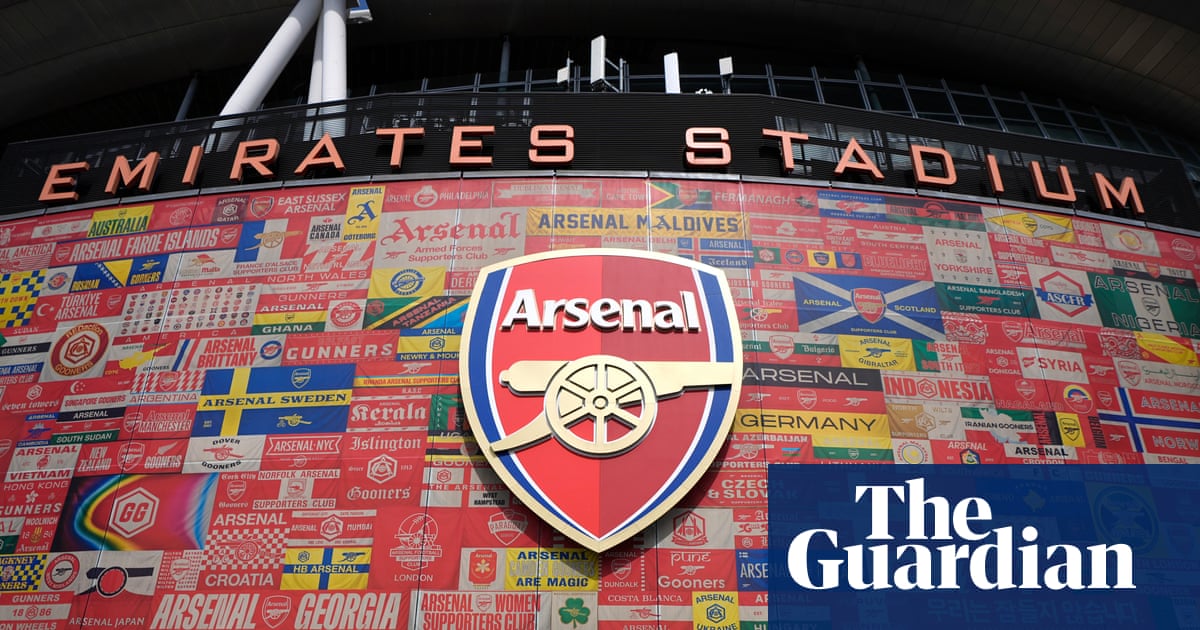
Arsenal's late-season win against their direct title rivals cemented their path to the Premier League crown and broke their two-decade curse. The match was decided by a tactical masterclass in defensive resilience, holding a slim 1-0 lead under intense pressure for over forty minutes. It deserves the eighth spot because it was the psychological turning point that convinced a skeptical fanbase that the team would not collapse. Detractors noted the Gunners played negative football in the second half, relying on low blocks rather than the attacking flair that defined their early campaign. Regardless of the style, this specific win provided the points cushion required to seal the trophy in May.
7. Mexico setting up the Round of 16 clash with England
Mexico clinched their knockout spot to set up a high-stakes Round of 16 match against Thomas Tuchel's England in the World Cup. The host nation advanced through tactical discipline and rapid counter-attacks, setting up a clash of styles against England's possession-based system. This moment ranks seventh because it creates a massive logistical and sporting hurdle for England on North American soil. Pundits argue Mexico's home advantage makes them the favorites, exposing England's lack of tournament cohesion under their new manager. The fixture represents a massive test for Tuchel's tactical flexibility and Madueke's physical durability, especially with the host nation's fans creating a hostile environment. England must find a way to quiet the crowd early, or face a premature exit from the tournament.
6. Norway's dramatic World Cup qualification
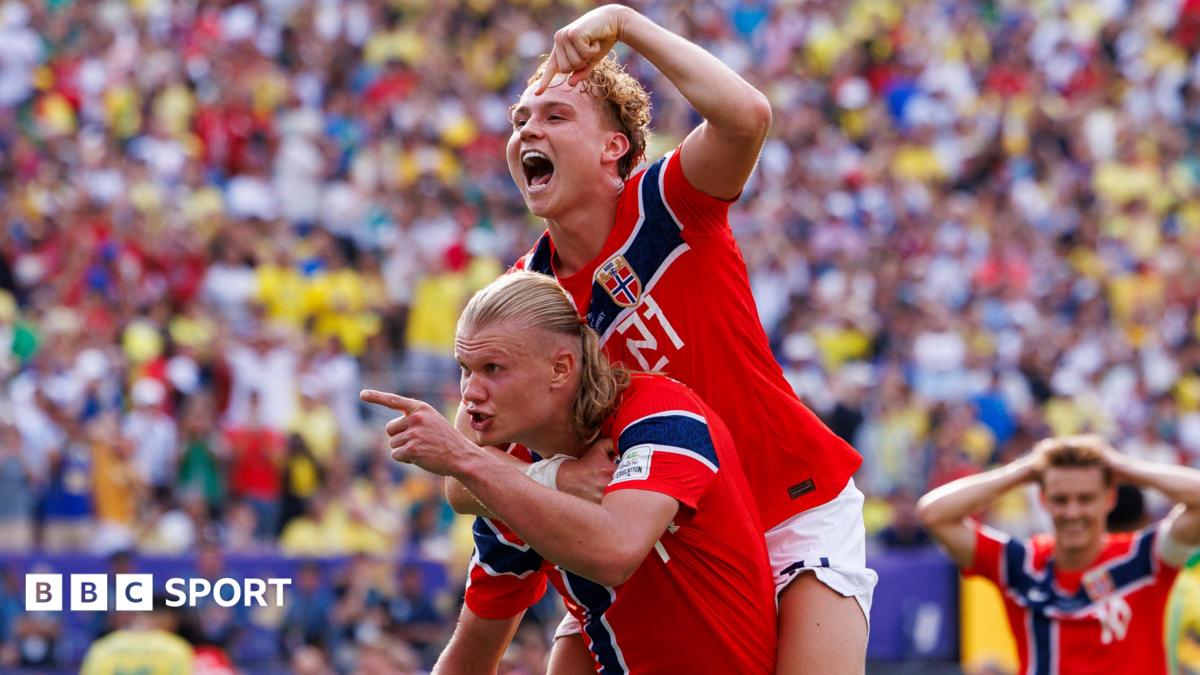
Norway secured their historic spot at the 2026 World Cup, ending a generation of tournament absences and setting the stage for their current run. The qualification campaign relied heavily on Erling Haaland's goal-scoring output, which carried a squad lacking depth across the pitch. It ranks sixth because it laid the groundwork for Norway's historic quarter-final run, proving they could perform on the big stage. As BBC Sport reported, Haaland has become the striker that nobody wants to face in international football. Nevertheless, qualifying for the tournament changed the perception of Norwegian football worldwide and set up their current knockout success.
5. Noni Madueke's breakout tournament performance and fitness race
Noni Madueke's confirmation of physical readiness for England's knockout run ended weeks of speculation about his hamstring fitness. The Arsenal winger has become England's main creative outlet, making his availability essential for Tuchel's tactical plans against Mexico. This ranks fifth because Madueke's presence completely changes how opponents defend England, forcing them to commit extra cover to the flanks. Some former internationals have criticized England's medical staff for rushing Madueke back, warning that a re-injury could derail his domestic season. The risk is high, but the potential reward of a World Cup quarter-final makes this fitness update the most talked-about storyline in England's camp.
4. Thomas Tuchel taking the England manager job
Thomas Tuchel's appointment as England manager sent shockwaves through international football and completely overhauled the national team's identity. Tuchel immediately abandoned the cautious tactics of his predecessors, implementing a high-pressing system that requires peak physical fitness from wingers like Madueke. This decision ranks fourth because it represents a complete philosophical shift for the English FA, prioritising immediate silverware over long-term development. Critics note that Tuchel's demanding nature could cause friction within the squad during a long tournament campaign. The upcoming match against Mexico will serve as the first major referendum on his high-risk, high-reward appointment.
3. The Wembley espionage scandal
The discovery of hidden recording devices inside England's private tactical meeting rooms at Wembley stadium sparked a major espionage investigation. The breach threatened to compromise England's entire World Cup game plan, leading to allegations of spying between rival nations. This scandal ranks third because it exposed a shocking security failure at the home of English football, overshadowing the team's on-field preparation. While some dismiss the incident as simple paranoia, the FA's decision to involve counter-intelligence agencies suggests a genuine threat to competitive integrity. The ongoing investigation has cast a long shadow over the squad, creating an atmosphere of suspicion before the knockout matches.
2. Arsenal breaking their two-decade Premier League curse
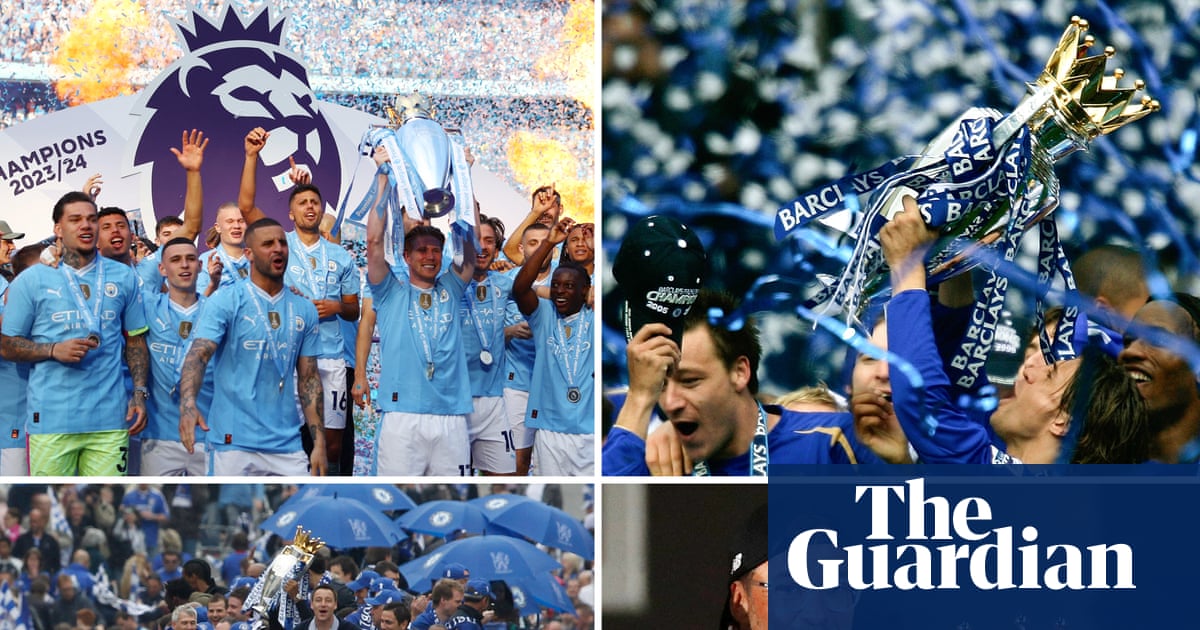
Arsenal ended their 22-year title drought in dramatic fashion, clinching the Premier League trophy to break the longest curse in the club's modern history. The Gunners secured the title on the final day, overcoming immense pressure to finish ahead of Manchester City. This historic achievement ranks second because it reshaped the power dynamic of English football, ending years of near-misses and tactical shortcomings. Critics point out that Arsenal's heavy spending in the preceding transfer windows raises questions about the financial sustainability of their success. However, the emotional release for the fans and the validation of Mikel Arteta's project make this the biggest club football story of the year.
1. Erling Haaland fires Norway to a historic World Cup quarter-final
Norway's star striker Erling Haaland has scored seven goals in just four World Cup games to carry his nation into the quarter-finals. Haaland's goal-scoring efficiency has left opponents helpless, cementing him as the most feared forward in international football. This performance ranks first because it is a historic achievement for a nation that has never reached this stage of the modern tournament. Critics may argue that Norway's defensive setup is weak and relies too heavily on Haaland's individual brilliance to bail them out. But when a single player matches the scoring output of entire teams, his place at the top of this list is undisputed.
Honorable Mentions
Several other moments narrowly missed the cut but defined the 2026 season. Chelsea's late-season surge under pressure showed tactical maturity but lacked the trophy payoff of Arsenal's campaign. Scotland's narrow failure to progress past the World Cup group stage brought emotional drama but ultimately ended in familiar disappointment. Lastly, the rise of young talents across the Eredivisie keeps scouts active, though none have matching tournament impact yet. These narratives show how competitive global football has become, with traditional powerhouses forced to adapt to emerging threats on both the club and international stages.