The Big Picture
The 2026 World Cup is a war of attrition where the margins between legend and failure are measured in millimeters. We have reached the midpoint of the tournament, separating tactical masters from those simply making up the numbers.
10. The Tactical Rebrand of Harry Kane
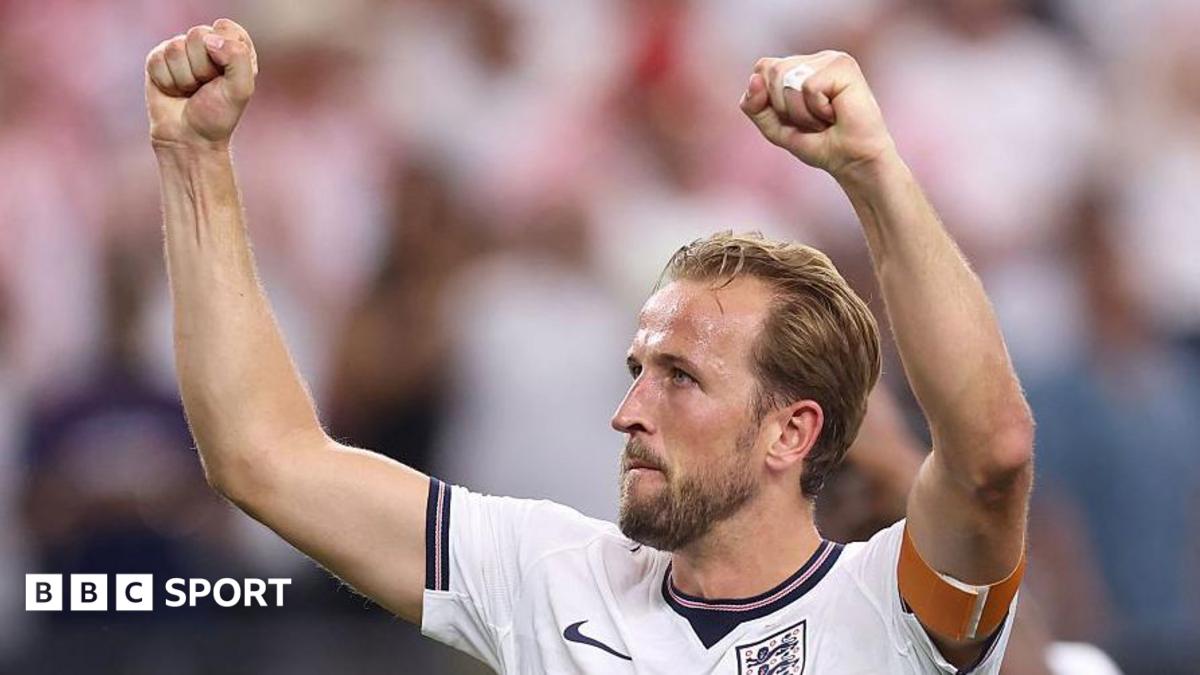
Harry Kane has discarded his traditional target-man reliance in favor of a deeper midfield link-up role. Alan Shearer noted that Kane’s movement in 2026 is fundamentally different from the 2022 stagnation in Qatar. He is touching the ball five meters further back, pulling defensive lines out of their shape.
This shift matters because it solves England’s historic transition issue. By dragging center-backs out of the low block, Kane creates immediate space for the wingers to exploit. It ranks tenth only because the final product remains volume-heavy rather than clinical.
9. Scotland’s Boston Heartbreak
The Tartan Army arrived in Boston with realistic points expectations but left with nothing. A lack of structure in the final third led to a 0-1 scoreline that effectively neutered their high-pressing strategy. It represents a tactical failure to adjust when the game state shifted in the second half.
This ranks ninth because it serves as a reality check for teams relying on emotional momentum over technical precision. Scotland had 62% possession but failed to force a genuine save. They controlled the midfield but lacked the killer instinct required at this level.
8. The Fitness Tax of Added Time
FIFA’s directive to extend injury time is resulting in a visible fatigue spike across every group. As BBC Sport reported, muscle-related injuries have surged after the 80th-minute mark. This is not sportsmanship; it is logistical chaos that penalizes deeper squads.
It ranks here because it is a silent, creeping influence on every result. Referees are adding an average of 12 minutes per match, forcing tired legs to cover 500 extra meters. We are watching elite players break down in real-time as a direct result of officiating shifts.
7. The Tactical Discipline of Underdogs
Smaller nations have stopped playing "the beautiful game" and started playing the math. We have seen mid-block setups that force opponents into low-xG shots from the periphery. It is ugly, effective, and entirely responsible for the lack of blowout matches seen in previous cycles.
This ranks seventh because it is forcing tactical adaptation in real-time. Managers who cannot break down a 5-4-1 are being fired or humiliated. It proves that money and talent gaps are narrowing when paired with disciplined defensive coaching.
6. The VAR Delay Controversy
Technical malfunctions in the monitor room have paused matches for as long as six minutes. Fans are sitting in stadiums waiting for invisible handballs, creating an atmosphere of total confusion. It destroys the rhythm of the game at moments where adrenaline should be peaking.
VAR's implementation has been inconsistent at best and incompetent at worst. It ranks sixth because it is currently the biggest threat to the match-day experience. When you take the emotion out of a goal, you take the soul out of the sport.
5. The Rise of the Sweeper-Keeper
Goalkeepers are now tasked with acting as the primary playmaker in build-up play. This trend has reached a fever pitch, with keepers completing more passes per game than defensive midfielders. It is a high-risk gamble that has resulted in three direct goals conceded during goal-kick sequences.
This is ranked fifth because it is fundamentally changing the requirements for the position. We are losing the traditional shot-stopper in favor of a technical pivot. If the pass accuracy isn't there, the team is effectively playing with ten men.
4. The Mid-Game Substitution Surge
Managers are no longer waiting for the 70th minute to change tactics. We are seeing triple substitutions as early as the 40th minute due to the intensity of constant pressing. It is a chess match where the board is wiped clean twice per game.
It ranks fourth because it rewards the manager with the strongest bench. If you don't have depth, you don't have a path to the quarter-finals. It has effectively ended the career of the "90-minute hero" player.
3. The Physicality of Counter-Attacks
The game is getting faster, and the fouls are getting harder to catch. Counter-attacks now involve high-speed collisions that refs are ignoring to maintain game flow. We are seeing more lunging tackles into the shins of attackers than ever before.
This ranks third because it is a dangerous evolution of the game. It incentivizes tactical fouling, which is currently the smartest play on the pitch. While effective, it is stripping the game of its fluidity.
2. The Statistical Efficiency of Penalty Kicks
Penalties are no longer coin tosses; they are clinical executions refined by data science. The conversion rate across the first rounds sits at 88%, a staggering improvement on historical figures. Keepers who dive early are statistically doomed to failure.
It ranks second because it has redefined the psychological war in the box. The pressure is higher than ever, yet the conversion remains perfect. It is the greatest example of analytics conquering raw human instinct.
1. The Inevitability of Attrition
The most important story of 2026 is the physical collapse of elite talent. Between the injury time, the high-intensity schedule, and the travel demands, the tournament is breaking players. We are not seeing the best football in the world; we are seeing who can survive with the fewest broken bones.
It takes the top spot because it is the story that will decide the champion. The team that wins the trophy will not be the most talented; it will be the healthiest. This is a cold, clinical reality that shadows every kickoff.
Honorable Mentions
- The officiating inconsistency on offside traps
- The surprising drop-off in high-pressing efficacy
- The rapid emergence of dual-threat wingbacks