The Defining Shifts of the Season
The 2025/26 Premier League campaign provided a volatile mix of tactical masterclasses and high-stakes administrative uncertainty. Identifying the top ten moments requires separating fleeting viral clips from genuine structural shifts in the English game.
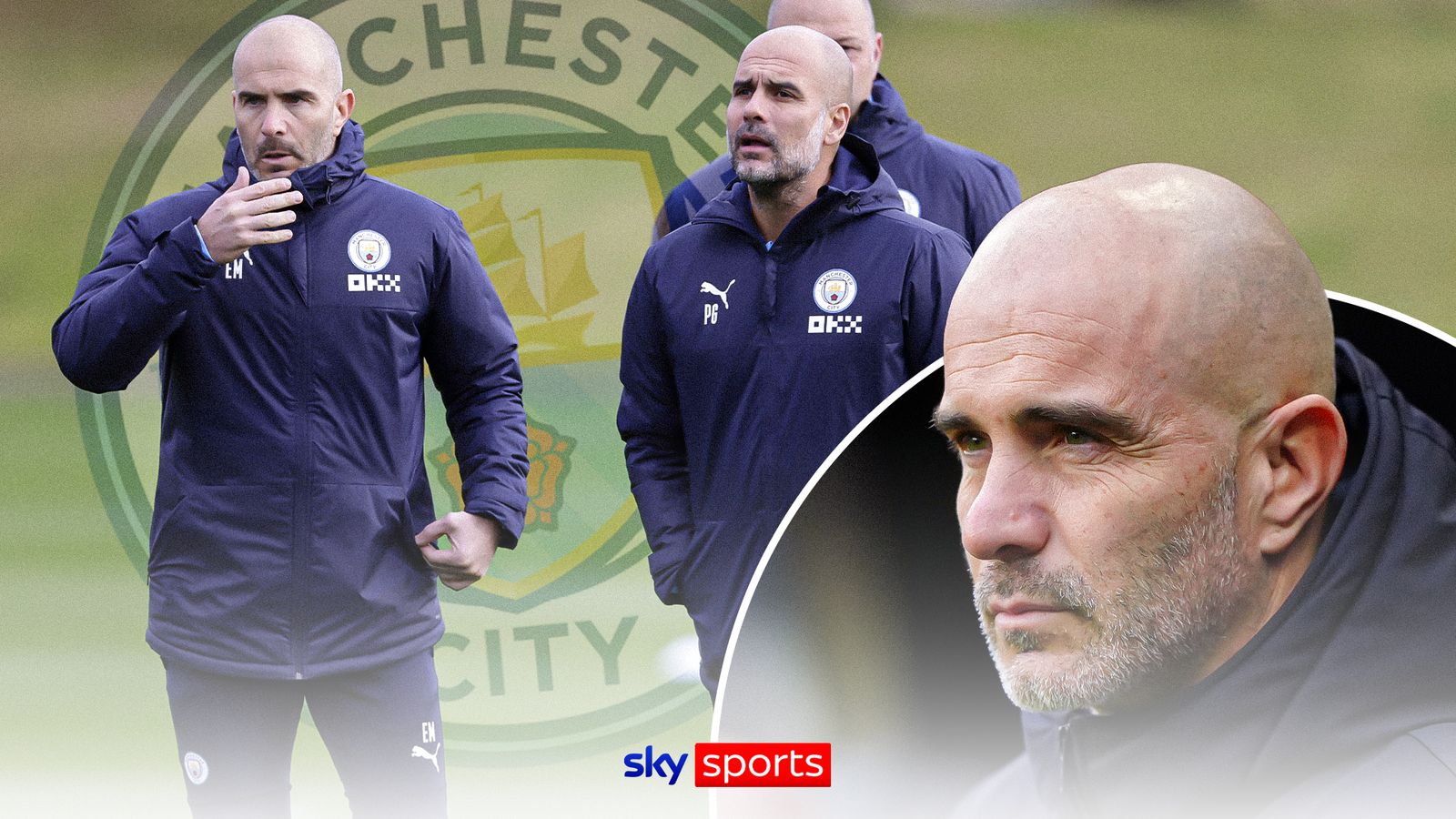
1. Enzo Maresca returns to Manchester City
The decision to appoint Enzo Maresca marks the most significant tactical pivot in recent Manchester City history. Following the departure of Pep Guardiola, the board opted for continuity rather than a total rebuild. As reported by Sky Sports, the transition relies on Maresca’s deep institutional knowledge. It represents a conservative gamble that prioritizes chemistry over external innovation.
2. The North London Title Tilt
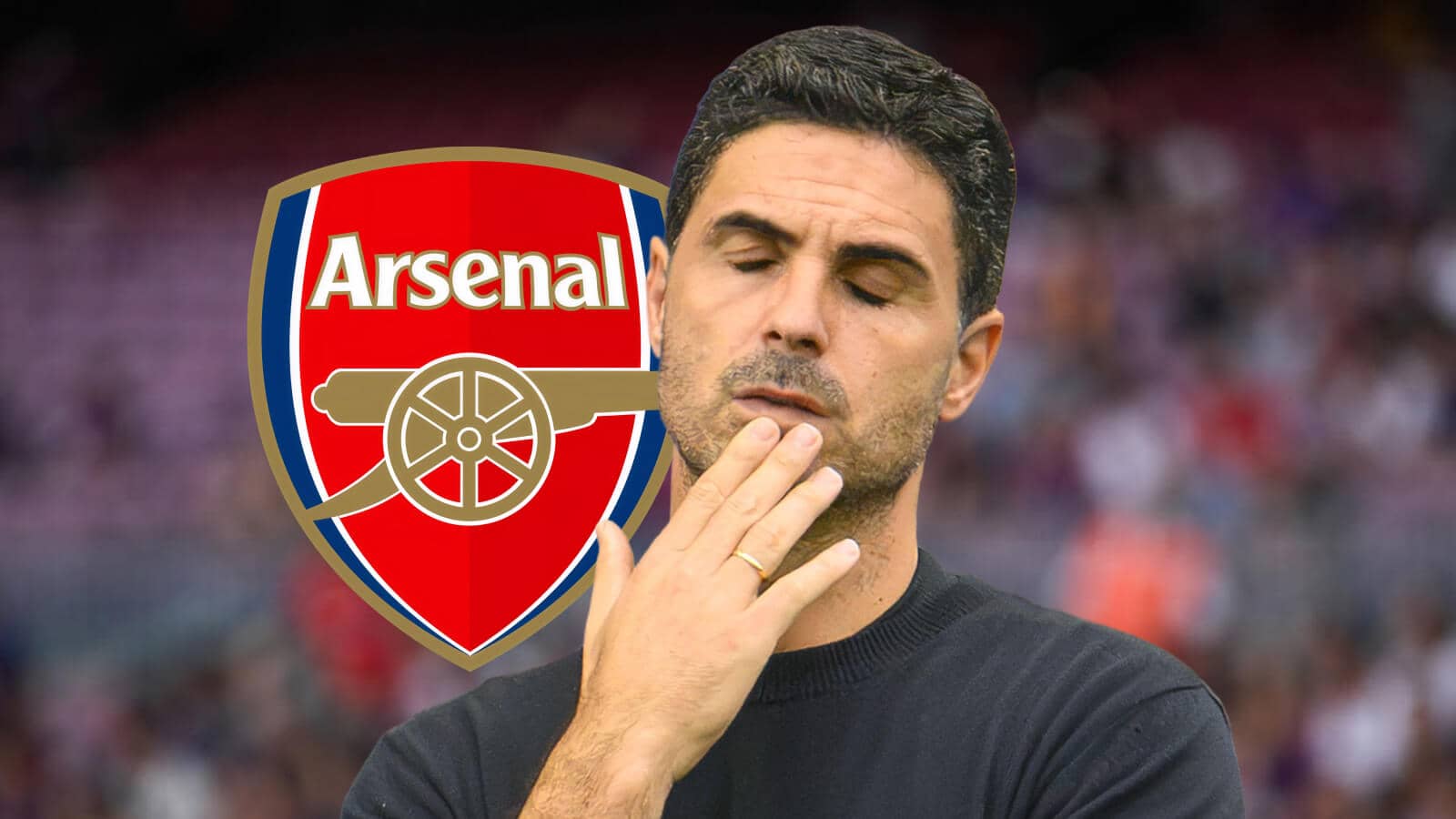
Arsenal's late-season surge forced the most competitive finish in five years. By securing 22 points from their final 24 available, they pushed the margin to the final matchday. Critics point to their mid-season slump against bottom-half sides as the primary reason they fell short of the trophy. Ultimately, an inability to rotate the squad effectively cost them the title.
3. The Tactical Refusal of the Low Block
Mid-table sides largely abandoned the low block in favor of high-pressing transition systems. This led to a 14% increase in goals per game compared to the previous season. While this made the product more watchable, it stripped the league of defensive tactical nuance. The result was a chaotic, end-to-end style that often lacked technical discipline.
4. Liverpool's 87th Minute Penalty
The refereeing controversy during the Merseyside Derby changed the complexion of the top four race. The decision to award a spot-kick after a marginal handball changed the game state, turning a draw into a 2-1 victory. It remains a polarizing moment that highlighted continuing inconsistencies with VAR protocols. Fans and pundits alike remain divided on the interpretation of the rule.
5. The Rise of the Youth Contingent
This season saw more teenagers logging over 1,000 league minutes than any previous cycle. Clubs facing squad registration limits forced the hand of managers across the country. It was not a planned vision for the future, but a financial necessity for mid-tier teams. The quality of play proved surprisingly high despite the lack of veteran experience.
6. The Mid-Season Managerial Carousel
Six teams sacked their head coaches before February. This trigger-happy environment led to a revolving door of tactical philosophies that hampered player development. The constant shifting created a lack of accountability for sporting directors. It is a symptom of a league that fears relegation more than it values long-term stability.
7. The Villa Park Fortress
Unai Emery managed to keep Aston Villa unbeaten at home until April. Their ability to narrow the pitch and force teams wide was the best defensive scheme of the season. They conceded only 12 home goals across 19 matches. It was the only aspect of the campaign that felt truly insurmountable for visiting opposition.
8. The Final Day Relegation Heartbreak
Three teams entered the last 90 minutes with a mathematical chance to survive. The drama unfolded in real-time, with shifts in live tables dictating fan temperament across multiple stadiums. Seeing a club with a multi-million-pound transfer budget drop to the Championship shows how brutal the league remains. The fallout from this will likely result in heavy roster turnover this summer.
9. Chelsea's Defensive Regression
Chelsea finished in the top six but conceded more goals than any team in the top half. Their defensive structure relied entirely on individual brilliance rather than collective systems. When players fell out of form, the entire backline disintegrated far too easily. It stands as a cautionary tale against building a squad without a coherent defensive anchor.
10. The Golden Boot Race
The race for the top scorer title went down to the final weekend with three players within two goals of each other. Erling Haaland finished with 29 goals to secure the award by a razor-thin margin. The competition reached its peak when he netted a hat-trick against Fulham in May. It showcased that even with defensive improvements, top-tier strikers remain the most distinct advantage a team can possess.
Honorable Mentions
Newcastle United managed a surprising turnaround after their November win-streak, though they ultimately lacked the depth to sustain it. The emergence of experimental three-back formations sparked debates, though most teams abandoned the idea after conceding early on set pieces. Every one of these moments shaped a year defined by its unpredictability and chaotic scoring patterns.