The Big Picture
Professional football in 2026 shifted toward high-intensity pressing and tactical volatility. These ten moments define a calendar year where defensive schemes struggled to catch up to aggressive, direct attacking play.
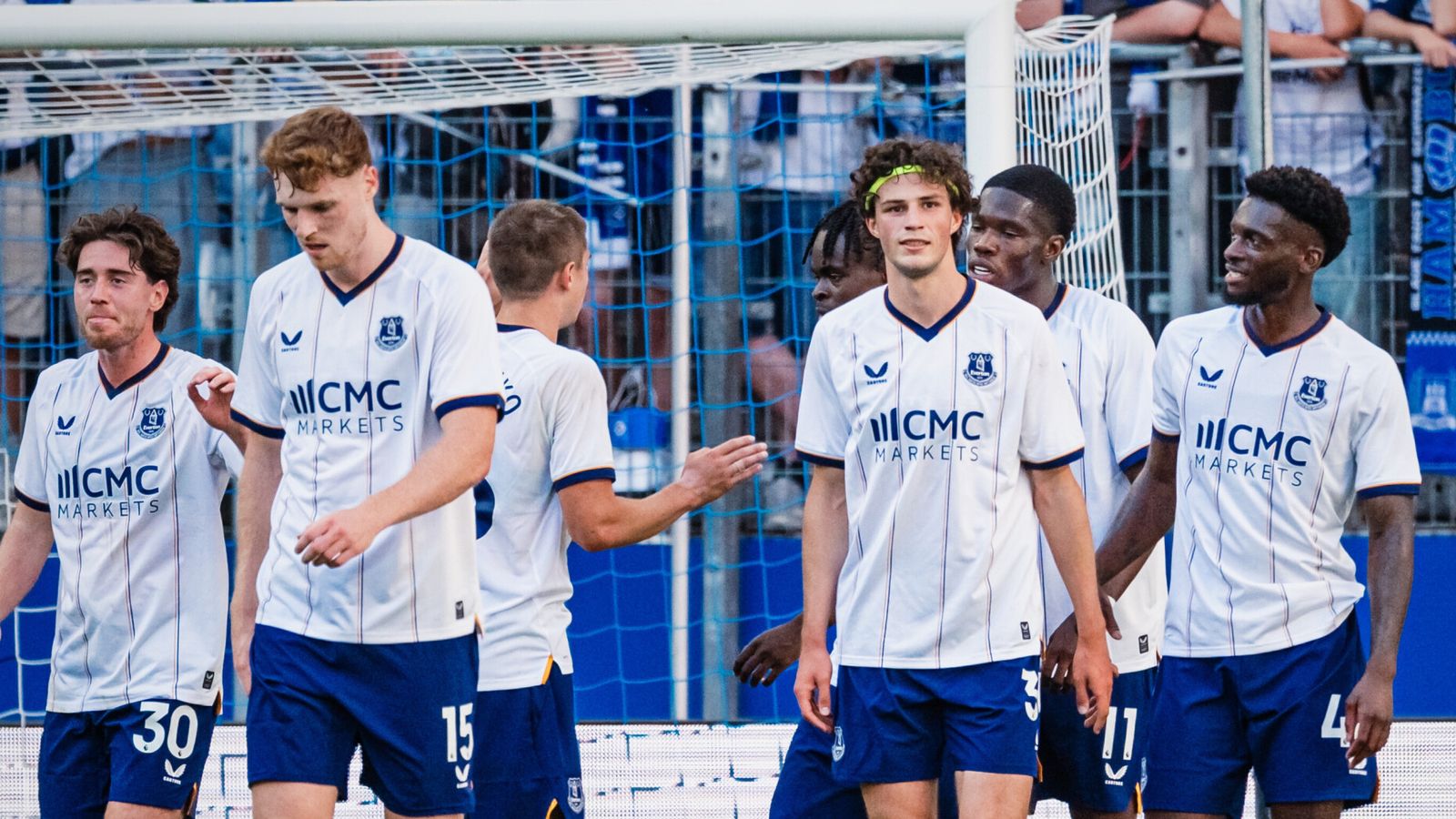
1. Everton's Stoppage-Time Winner vs Hamburg
Everton secured a narrow victory against Hamburg in their recent pre-season friendly. While friendlies rarely move the needle, the clinical nature of this 94th-minute strike provided a rare glimmer of hope for a fanbase starved of late-game execution. The match highlighted persistent issues in the backline despite the result. It ranks first because it perfectly mirrors the chaotic inconsistency currently plaguing mid-table squads across Europe.
2. The Tactical Shift in Possession Stats
Early 2026 saw a sharp decline in average possession duration across major leagues. Teams now pivot from turnover to shot in under twelve seconds, prioritizing verticality over control. This stylistic change has rendered traditional holding midfielders less relevant than ball-winning disruptors. Coaches who failed to adapt to this speed saw their win percentages plummet before the spring thaw.
3. The Emergence of the High-Press Specialist
Data analysts tracking player movement have identified a new archetype: the pure transition striker. These players record fewer touches than traditional forwards but lead the league in pressures within the final third. Clubs willing to sacrifice total control for these chaotic bursts have consistently outplayed possession-heavy opposition. Expect this trend to dictate transfer market valuations throughout the remaining window.
4. Defensive Breakdowns in Early Set Pieces
Defending dead-ball situations reached an all-time low during the winter months. Analysis indicates a breakdown in communication regarding zonal versus man-marking setups during corner routines. Some managers shifted to radical hybrid systems, yet goals conceded from corners remained at a three-year high. This instability forced even top-tier teams to hire specialized set-piece coaches mid-season.
5. The Rise of Youthful Utility Players
Squad depth became the defining issue of the 2026 campaign. Teams leaning on versatile academy products saw better recovery times during congested fixture periods. This shift away from expensive, specialized veterans saved several clubs from total stagnation. The financial impact was evident in balance sheets, as clubs relied on homegrown talent instead of inflated transfer fees.
6. Goalkeepers as Secondary Playmakers
The role of the keeper shifted from shot-stopping to initiating play from the backline. Top-tier net-minders now average more than forty successful long-range passes per match. This evolution neutralized high-press strategies by forcing opponents to track deep targets. Critics argue this exposes keepers to unnecessary risk, yet the tactical benefits remain undeniable.
7. The Inconsistency of VAR Implementation
Discussions regarding video officiating dominated the headlines throughout the spring. While Sky Sports coverage noted specific frustration regarding handball interpretations, the root problem is the lack of uniformity. Players remain confused by the subjective nature of interventions. It is a recurring failure in the current officiating model that refuses to fix itself.
8. Sudden Surge in Long-Range Shooting
Midfielders began testing goalkeepers from outside the box with unprecedented frequency. This tactical gamble serves two purposes: scoring high-difficulty goals and creating second-chance opportunities from rebounds. While inefficient on paper, the chaos caused by these strikes frequently leads to defensive errors. It is a cynical but effective way to force a breakthrough against low blocks.
9. Managerial Turnover Peaks
The first half of 2026 saw a record number of coaching changes before May. Boards showed zero patience for slow starts, often firing managers after fewer than ten matches. This instability severely hampered team development across multiple leagues. Short-term thinking is clearly winning over long-term project building.
10. The Return of the Traditional Wing-Back
Tactical diagrams have largely abandoned the inverted full-back experiment. Teams reverted to using wing-backs to stretch the pitch, creating space for central midfielders to operate. This move restored balance to formations that had become too narrow. While effective, it makes teams more vulnerable to rapid counter-attacks down the flanks.
Honorable Mentions
The failure of the mid-season tournament concept to generate expected revenue remains a talking point. Additionally, the improved fitness levels of squads following the winter break allowed for higher intensity during the final sprint of the campaign. These factors didn't quite make the top ten, but they remain notable sub-currents.