The Big Picture
The 2026 calendar has exposed the fragility of the current international football schedule, with high-intensity tournament play pushing rosters to their absolute physical limits. Beyond the scorelines, these moments represent tectonic shifts in how we evaluate tactical dominance and individual player longevity.
The Critical Ten
10. The tactical evolution of O'Reilly
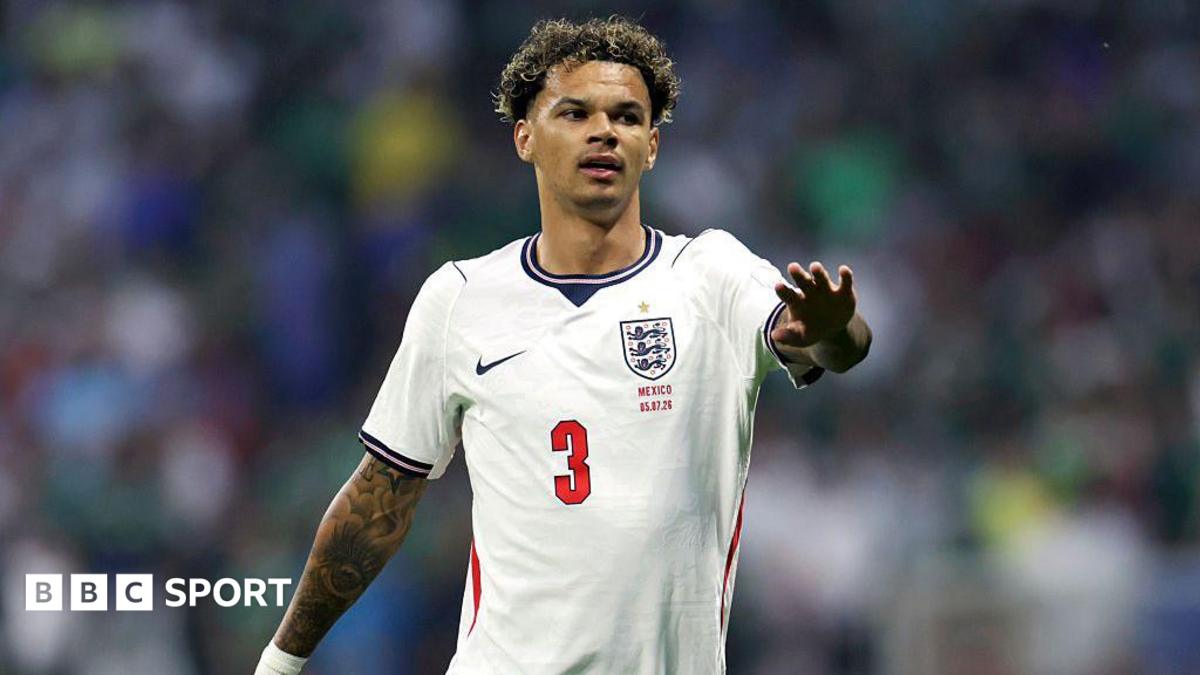
Nico O'Reilly has transitioned from a fringe prospect to the definitive left-back for England this summer. His ability to track back during high-stakes World Cup competition has stabilized a previously chaotic defensive line. While critics argue he takes too many risks in possession, his positioning remains elite.
9. Messi’s late-stage stamina
Lionel Messi continues to defy biological reality, anchoring the Argentina midfield with surgical precision. Most players his age would have retired from international duty by now. He isn't just playing; he is dictating the tempo of every knockout round fixture he enters.
8. VAR implementation errors
The officiating oversight during the quarter-finals reached a breaking point this July. We witnessed three overturned goals that arguably changed the trajectory of the tournament. The lack of accountability from officials creates a sense of systemic incompetence that hurts the sport.
7. The decline of the high press
Tactical trends have pivoted toward mid-block setups as teams protect their aging superstars in sweltering July conditions. Managers who insisted on aggressive high-pressing schemes were punished on the counter-attack consistently. It represents a necessary adjustment but makes for a slower, more deliberate spectator experience.
6. The injury crisis
Fixture congestion is no longer a talking point; it is a full-blown emergency. Every major squad has lost at least two starters to non-contact muscle injuries by the semi-final stage. The 36-game season extension is effectively weeding out teams with thin benches.
5. Brazil’s early exit
The most predictable failure of the cycle occurred when Brazil collapsed in the Round of 16 against a disciplined tactical unit. Their over-reliance on individual flair remains a massive flaw in their scouting process. You cannot win a modern international tournament on dribbling alone.
4. The rise of the deep-lying distributor
Midfielders who can launch precise long balls are now more valuable than traditional wingers. Watch how teams shift play across the pitch to exploit isolated defenders. This shift has rendered narrow, possession-heavy systems outdated and predictable.
3. Sudden-death drama
The intensity of the knockout rounds has led to four matches being decided in the final minutes of extra time. These sequences prove that fitness is the only metric that matters once the 90th minute passes. Defensive fatigue is the new primary weapon.
2. The democratization of elite coaching
Tactical parity exists. Smaller nations are now utilizing advanced data analytics to neutralize giants, closing the gap significantly. It makes for more competitive matches, even if the talent disparity remains obvious in isolated duels.
1. The Messi semi-final showdown
Matches involving all-time greats define eras, and the matchup between England and Argentina stands as the pinnacle of the year. The anticipation surrounding a final window to face an icon elevates the stakes to a level rarely seen since 2022. It is a defining piece of sporting history caught in a single week.
Honorable Mentions
We must acknowledge the improved broadcasting quality across remote regions, which has brought the game to millions more fans than previous tournaments. However, the ticket pricing strategy during the group stages was indefensible and alienated the core fanbase. The disconnect between governing bodies and supporters remains an ongoing issue that demands reform.