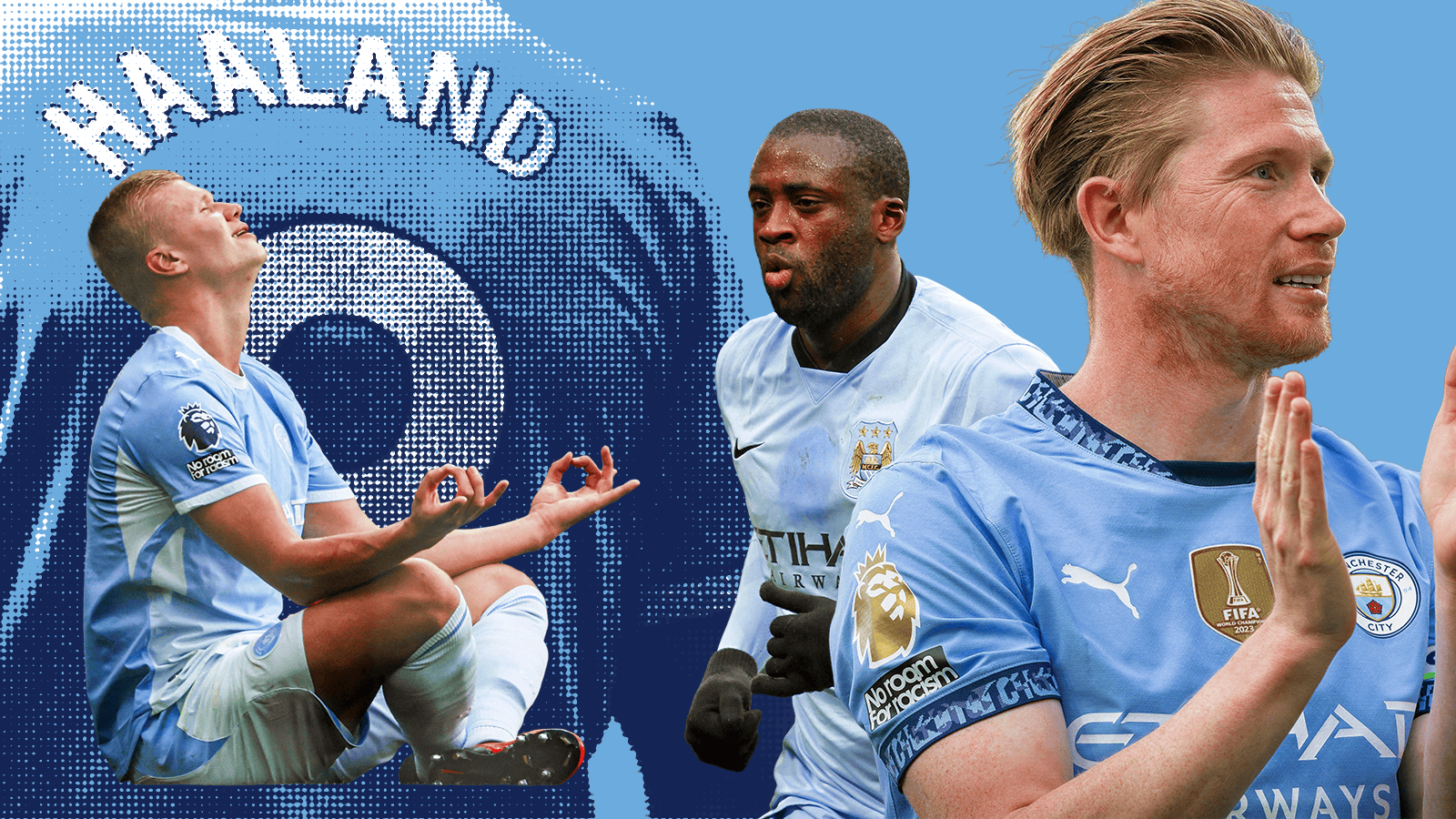
Setting the standard for modern recruitment
The 2026 summer window has devolved into a chaotic game of high-stakes musical chairs. Clubs are scrambling to balance books while chasing top-tier talent as the deadline inches closer.
1. Newcastle’s fire-sale reality
Newcastle United’s decision to offload Anthony Gordon and Sandro Tonali signals a desperate shift in financial policy. Managing PSR restrictions has forced the club to strip away its core engine room mid-cycle.
The club is currently bracing for the departure of Bruno Guimaraes, which leaves a massive void in their midfield. This isn't just a reshuffle; it is a full-scale dismantling of the squad built over the previous two years. Fans are right to question the long-term vision behind such aggressive asset liquidation.
2. The Lewis Hall enquiry
Manchester United’s sudden pivot toward Lewis Hall, as reported by The Mirror, confirms their search for defensive depth. Hall has been a bright spot at St. James' Park, but he is now a target for a club that desperately needs a modern, agile fullback.
United entering these talks highlights the vulnerability of the current Newcastle roster. It remains a messy situation for the Magpies, who now face interest in their remaining prospects while the clock ticks down. Expect this negotiation to move fast if United decides to trigger a formal bid.
3. Liverpool’s PSG raid
Liverpool is aggressively targeting Parisian youth, specifically Ibrahim Mbaye and Bradley Barcola. As highlighted by recent reports from Fabrizio Romano, the strategy is built on long-term sustainability. They are betting that these young attackers can fill the gaps left by aging veterans.
If both players arrive, it creates an immediate tactical headache for Arne Slot to manage. Integrating two high-potential teenagers into a title-chasing side is a massive ask. This move shows they are prioritizing raw ceiling over immediate Premier League experience.
4. Cristian Romero leaving N17
The looming exit of Cristian Romero from Tottenham represents a shift in defensive philosophy. His departure is the most significant personnel change for the club in three years. Spurs are essentially trading their most aggressive enforcer for financial flexibility and a fresh start.
Losing him weakens the starting XI, but the fee recoup should bolster the rest of the defense. It is a gamble on the premise that collective structure can replace individual dominance. Recent Guardian coverage confirms the tension behind the scenes as both parties prepare for the inevitable split.
5. The Bruno Guimaraes exodus
The impending departure of Bruno Guimaraes is a blow Newcastle may not recover from this year. He has been the heartbeat of the team, and losing him alongside Tonali effectively resets their project. Without him, the midfield lacks the creativity required to compete for European spots.
Rumors regarding his landing spot have dominated the news cycle for weeks. The lack of a confirmed destination suggests that his valuation remains a major hurdle for potential buyers. It is a poor look for a club that aimed to be a title contender by now.
6. Sandro Tonali’s rapid departure
The exit of Sandro Tonali was a shock to the system for the Newcastle faithful. His time in England was marred by off-pitch issues, but his talent was never in question. Trading him for immediate capital is a failure of planning, regardless of the financial necessity.
His return to Serie A speculation was inevitable once his suspension concluded. The sheer speed of this transfer suggests the club needed the cash for regulatory compliance immediately. It reflects a team that let the balance sheet dictate the playing squad.
7. Anthony Gordon’s exit
Selling Anthony Gordon for pure profit is the ultimate example of modern accounting triumphing over team building. He was arguably the most explosive outlet in the Newcastle front line during the last campaign. Moving him for a reported 50 million range is clever math, but it makes the attack toothless.
Other clubs will watch this move as a blueprint for how to handle homegrown assets. However, Newcastle will feel the impact of his pace on the counter every time they play a high line. It was a cold, calculated move that prioritizes the bottom line over the scoreboard.
8. PSG’s youth talent drain
The willingness of PSG to entertain bids for players like Mbaye and Barcola is a change in their recruitment strategy. They are moving away from the star-power model and testing the market on academy graduates. It creates opportunities for Premier League sides to snap up top-shelf talent.
Whether these players can handle the physicality of the English game is the real question. Liverpool’s interest indicates they believe the transition is possible, but recent history suggests otherwise. It is a high-risk, high-reward bet on raw athleticism.
9. Defensive instability across the league
The current market shows a dearth of elite defensive talent. Clubs are willing to overpay for average players because the supply chain has dried up. We are seeing a trend where teams hold onto defenders longer, artificially inflating the market prices for transfers.
This instability makes every defensive move look like a bargain until the player hits the pitch. It has forced scouts to look at younger, unproven talent in leagues outside the top five. Expect more clubs to take risks on obscure leagues before the window shuts.
10. The 2026 fiscal correction
The most important moment of the summer isn't a specific transfer but the tightening of the purse strings. Across the board, clubs are behaving with more caution than in the 2024 or 2025 windows. This fiscal correction is long overdue given the skyrocketing wages.
While fans want big names, the reality is that teams are settling for depth. This leads to less excitement on social media but a more sustainable sport in the long run. If this persists, the next year will be defined by internal development rather than record-breaking spending.
Honorable Mentions
The slow movement on the striker market remains a frustration for several clubs currently sitting on empty wallets. Additionally, the quiet stance taken by some mid-table teams suggests they are waiting for the final 48 hours to find value. None of these maneuvers have grabbed headlines, but they will dictate the final table positions come May.