The Big Picture
The 2026 summer period functions as a high-stakes recalibration for clubs across the English pyramid. With massive squad turnover and tactical shifts taking center stage, these moments define which teams will thrive and which will flounder once the real points start counting.
The Rankings
10. Wigan's Tactical Reset
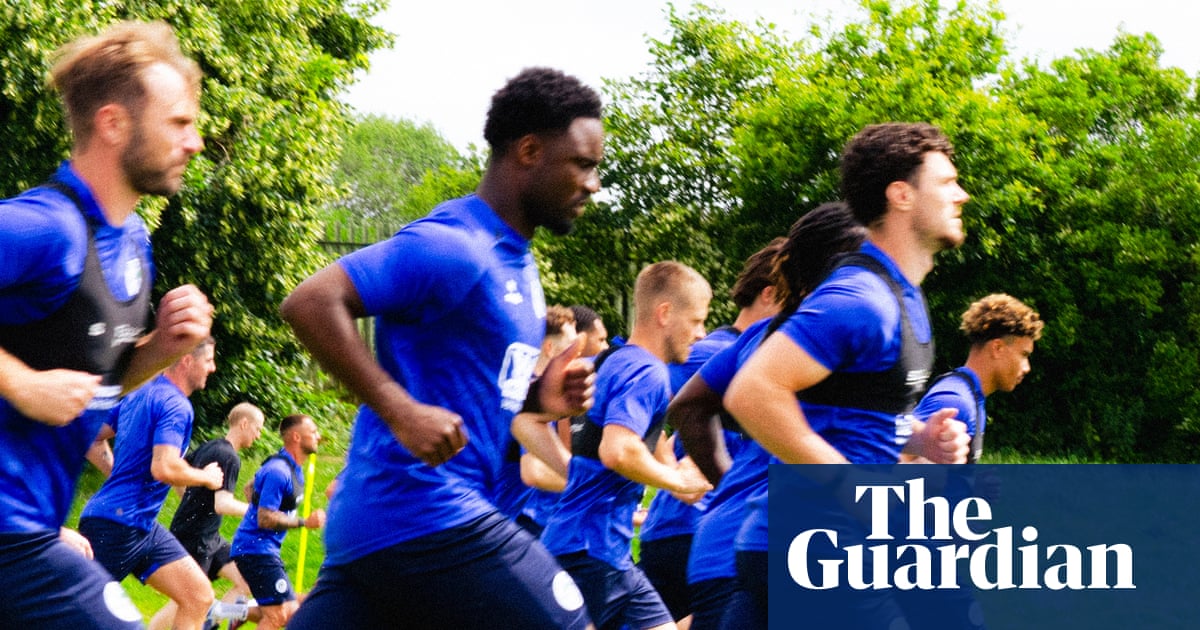
Gary Caldwell is rebuilding his side around a rigid team-first philosophy that emphasizes data integration. Since February, he has overhauled the primary training sessions to prioritize tactical discipline over individual flair. This focus on consistency earned him a spot because it directly addresses the club's survival anxieties from last year. Whether this sterile approach yields results against physical League One sides remains a significant gamble for the manager.
9. The St Johnstone Cup Exit
The Premier Sports Cup loss to East Fife remains the most embarrassing statistical anomaly of the current summer. St Johnstone entered the match as heavy favorites but lacked the intensity required to dictate play against lower-league opposition. It highlights a dangerous complacency that often plagues Premiership sides during early-stage knockout football. Losing points early acts as a wake-up call, but it also paints a target on the squad's back for the rest of the campaign.
8. Stuart Maynard’s Turbulent Departure
Maynard’s exit from the management cycle demonstrates how fleeting success can be in the modern game. After promising a shift toward professional rigor at York City, his tenure ended with more questions than answers regarding his long-term viability. The transition period he left behind forced the front office to scramble during the busiest month of the transfer window. It stays on this list because it serves as a cautionary tale for any club hiring managers based purely on non-league momentum.
7. The High-Volume Loan Market
This summer has seen a surge in clubs utilizing the loan market to fill gaps without inflating their wage bills. Managers are prioritizing short-term fixes over permanent buys, which creates a volatile roster environment. While this provides tactical flexibility, it prevents the development of a cohesive dressing room culture. Relying on loanees is a stop-gap measure that rarely fixes underlying structural flaws in a team's recruitment strategy.
6. Data-Driven Training Adoption
As The Guardian reported, modern coaching now hinges on granular player performance tracking during pre-season. Wigan Athletic lead this shift, forcing players to adhere to strict physical output benchmarks before they even see a start. This clinical approach marks a departure from traditional managerial intuition. If opponents don't match this level of analytical preparation, they risk falling behind in the physical metrics war.
5. The Premiership Roster Scramble
Scottish Premiership clubs are currently engaged in a frantic cycle of roster refinement as the season opener looms. The sheer volume of incoming players has made the preseason matches look disjointed and lackadaisical at times. Without a settled starting eleven, managers are struggling to implement their core philosophies ahead of the first competitive matchdays. This period of instability is vital to watch because early points dropped will inevitably define the relegation race.
4. Managing Managerial Volatility
The trend of burning through coaching staff early in the summer illustrates deep-seated frustration within ownership groups. When clubs pivot away from a specific coaching project before the first whistle, it signals a massive failure in the pre-season planning phase. Each firing creates a ripple effect that destabilizes squad morale and disrupts scouting continuity. This lack of patience is fundamentally damaging the long-term prospects of mid-tier English clubs.
3. The Tactical Rigor of Caldwell
Caldwell’s insistence on a team-first mantra is more than just a soundbite; it is a direct reaction to last season's survival struggles. He is demanding 100 percent compliance with his tactical setups, regardless of the individual skill sets on the pitch. This rigidity ranks high because it is either going to result in a promotion push or a total breakdown of the locker-room environment. It is a binary outcome that defines the entire trajectory of the club.
2. Lack of Competitive Intensity
A recurring theme throughout the summer has been the underwhelming performance of senior squads during friendly fixtures. Too many teams are prioritizing fitness runs over genuine tactical testing, leading to games that feel like glorified training sessions. This lack of effort frustrates supporters who pay to watch their club face genuine adversity. Unless clubs find a way to replicate high-stakes pressure, they will likely start the season undercooked and exposed.
1. The Shift to Professionalism
The defining movement of summer 2026 is the collective push toward extreme professionalism in training standards. Clubs are no longer settling for 'good enough' preparation, turning to data and rigid hierarchies to squeeze every ounce of value from their roster. This trend influences everything else on this list because it dictates how players behave and how managers are judged. It is the new baseline for success that separates the serious organizations from those merely going through the motions. The bar has been raised, and the teams that refuse to clear it are destined for a long, quiet winter.
Honorable Mentions
- The increased reliance on statistical modeling for transfer targets.
- Late-summer contract extensions that stabilize the core of struggling squads.
- Pre-season matches scheduled against inconsistent international opposition.