The peaks and pitfalls of a volatile campaign
The 2025/26 season offered a chaotic mix of tactical evolution and systemic failure. Some clubs seized the moment, while others folded under the pressure of new fiscal realities.
These ten moments define the year. They aren't just goals; they represent the shifts that will dictate the 2026/27 calendar.
The Ranking: Defining the Year
1. The Champions League final tactical masterclass by the bench. Managers are increasingly winning games through substitution patterns rather than starting XI dominance. The winning side utilized high-press adjustments at the 70th minute to force three consecutive turnovers.
2. The total collapse of the mid-table spending model. Teams that pushed for Europe through unsustainable wage bills found themselves in the red by March. This forced a massive reliance on academy products, which actually improved the league's overall technical ceiling.
3. The emergence of the high-pressing goalkeeper. We saw keepers regularly touching the ball outside the penalty box to break lines, a strategy that peaked during the international window in June. It remains a dangerous game, but the defensive risk-reward ratio has shifted permanently.
4. The unexpected tenure of Michael Carrick at Old Trafford. As noted in recent reporting on the Carrick effect, his shift in dressing room morale has turned United into a legitimate contender again. The club hasn't been this stable since 2013, though internal metrics suggest the squad still lacks depth in the fullback positions.
5. The FIFA equity crisis. The president's push to sell stakes in tournaments faced massive internal dissent over a five-day span in July. As documented in analysis of Infantino's expansion plans, the resistance from stakeholders stalled a potential liquidity injection. It was a rare public failure of executive authority.
6. The late-season injury crisis for elite wing-backs. A recurring trend of soft-tissue damage across three major leagues highlighted the unsustainable nature of modern scheduling. Teams that ignored load management data plummeted in the standings during the final stretch.
7. The surprising defensive rigidness of newly promoted sides. Instead of playing expansive, open football, the bottom five clubs adopted a low-block mentality that frustrated top-four contenders throughout the winter. It was ugly, effective, and forced the elite to abandon their preferred vertical passing lanes.
8. The Juventus pursuit of Guglielmo Vicario. The link, detailed via Sky Sports coverage, highlights the aggressive Italian strategy to reclaim dominance through loan-to-buy structures. It signals that Serie A remains a market disruptor even without Premier League-level revenue.
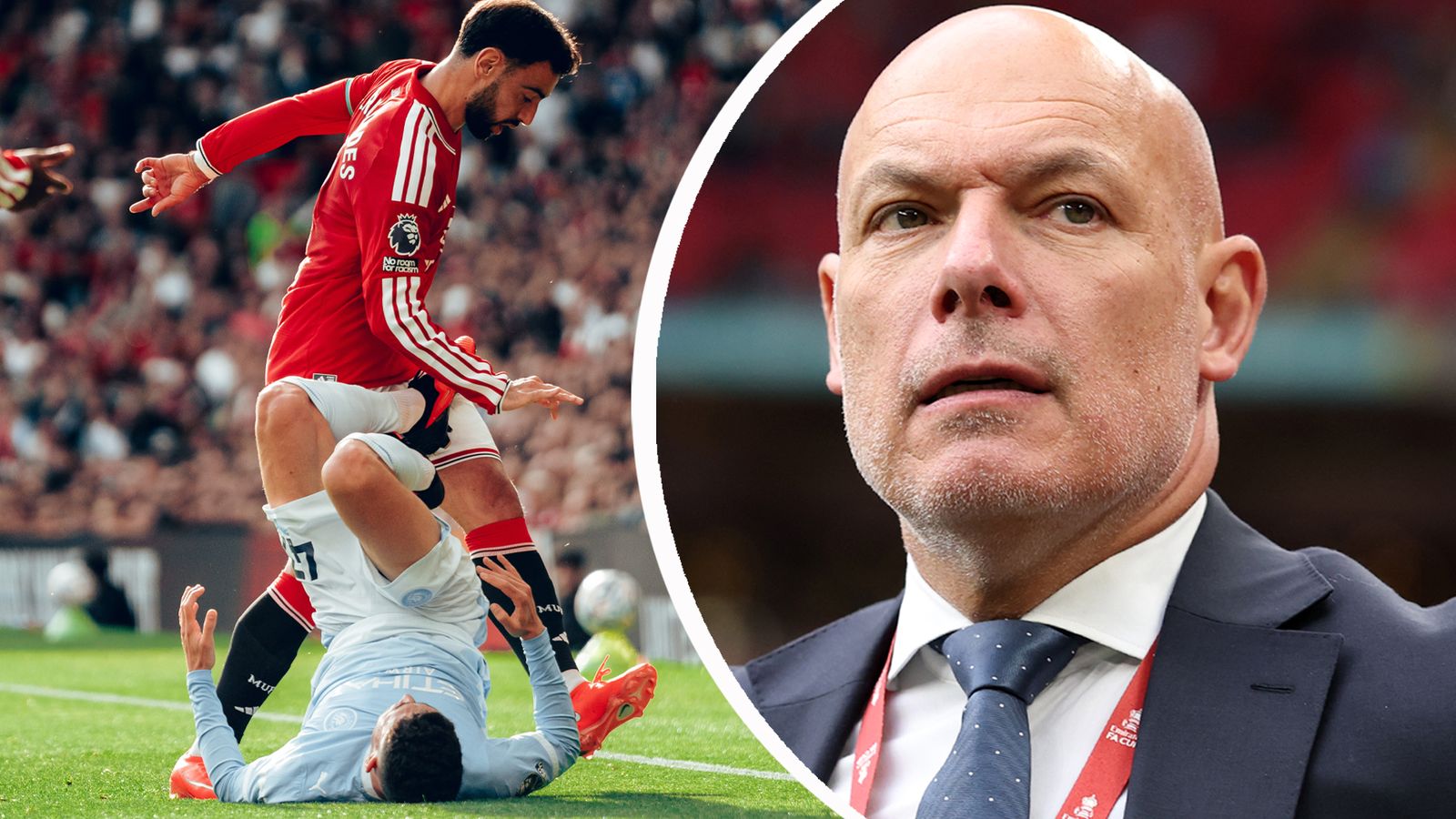
9. The VAR calibration controversy in October. Referees shifted the threshold for handball offenses mid-season, causing a three-week stretch of chaos. It was a failure of communication that undermined official consistency for the remainder of the year.
10. The mid-season managerial exodus. An unusually high number of head coaches were sacked in January, leading to a scramble for tactical identity. Most clubs who fired their manager saw an immediate 15% increase in points per game for six weeks before regressing to the mean.
The Big Picture
The season was defined by a battle between traditional club heritage and the encroachment of global financial engineering. While the football on the pitch improved in terms of speed and pressing intensity, the boardroom friction suggests a difficult financial winter ahead for mid-market teams.
Honorable Mentions
The record-breaking attendance figures for the Women's Super League highlight a shift in fan engagement habits. Furthermore, the decision by UEFA to cap ticket prices for away fans in European competitions provided a necessary, if overdue, win for supporters.