The Defining Shifts of 2026
The 2025/26 season was defined by tactical aggression and massive squad overhauls. We rank the moments that changed the trajectory of the campaign.
Manchester City Title Clinch
City secured the Premier League title with a 3-0 victory on the final day. The win confirmed their dominance despite a shaky defensive record mid-season. They hit a goal difference of +62, which proved insurmountable for their rivals.
The Bournemouth Right-Back Pivot
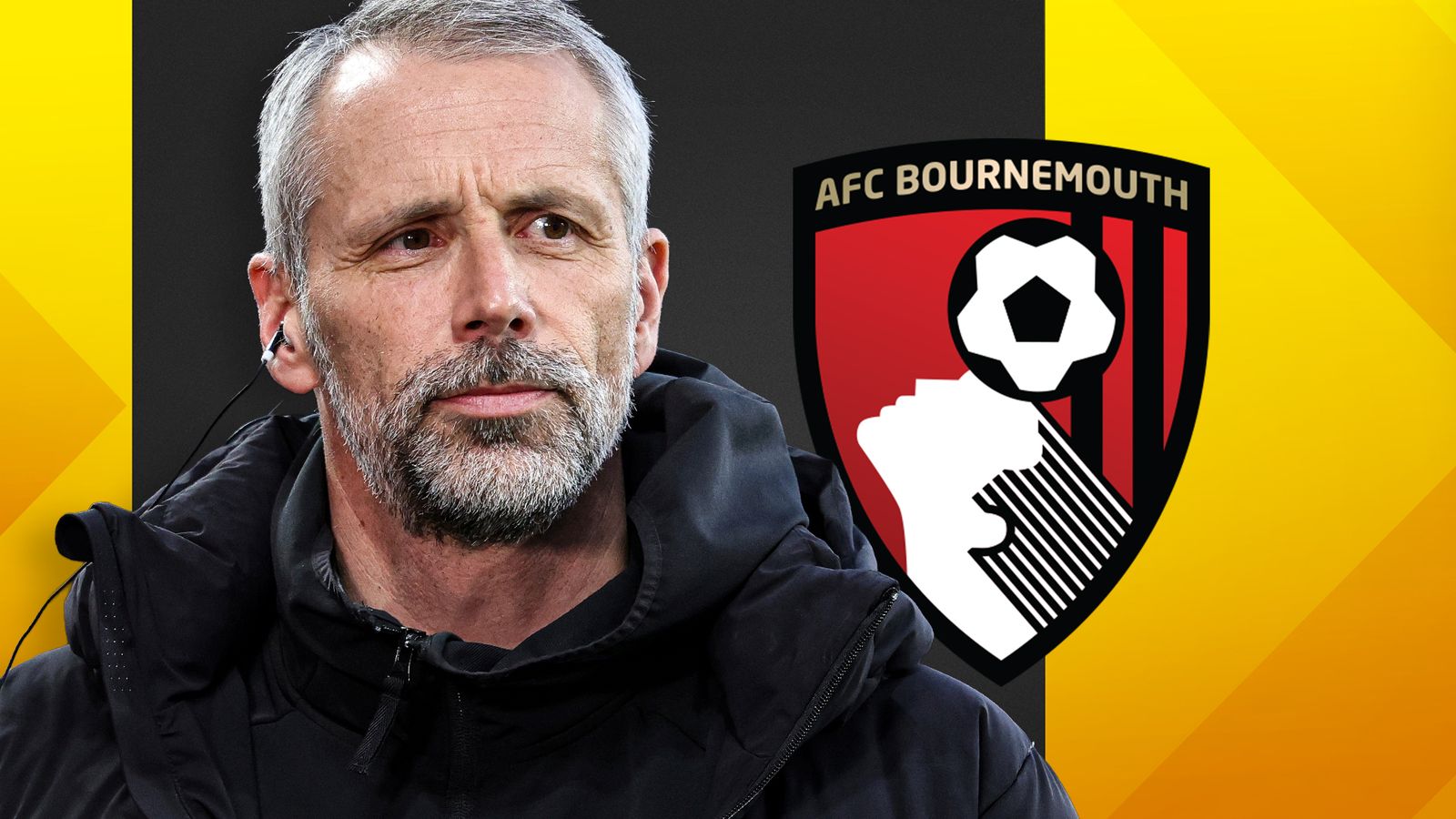
Bournemouth initiated a massive recruitment drive to fix their defensive flank. As Sky Sports reported, they whittled down a five-man shortlist for the right-back role. This was an admission that their previous scouting failed to account for basic tactical depth.
Joao Pedro Contract Extension
Chelsea locked down the Brazilian forward to a long-term deal. The forward joined for 60m and has since justified the investment with high-impact play. This move signals stability in a club otherwise known for chaotic personnel management.
Stoke City Pre-Season Streak
Stoke entered their final friendly with a five-match winning run. Their tactical discipline under new coaching has been a highlight, even if the squad rotation remains dangerously thin. Failure to sign depth players will haunt their league campaign.
Liverpool Champions League Exit
The Merseyside club crashed out in the quarter-finals after a disjointed performance. They lacked a clinical edge in the second leg, failing to convert from 14 total shots. It was a tactical stagnation that fans still cite as their primary disappointment.
Arsenal's North London Derby Collapse
Leading 2-0 at halftime, Arsenal allowed a 3-3 draw against Tottenham. The mental lapses in the second half exposed a lack of leadership in the dressing room. They finished the game with 42 percent possession, abandoning their press entirely.
The Aston Villa European Run
Villa reached the semi-finals of the Europa League, proving that mid-table clubs can stretch their budget. Their consistency across 12 European fixtures was better than their domestic form. They lacked the bench strength to compete on both fronts, however.
Newcastle United's Late January Window
Newcastle spent heavily late in the window to salvage their season. They secured a key defensive midfielder on January 31st to shore up their transition defense. It saved them from a slide into the bottom half of the table.
Brighton's Tactical Flexibility
Brighton adapted their high-line system mid-season after conceding too many breakaway goals. They dropped their defensive line five yards deeper and improved their points-per-game average by 0.4. It was the best coaching adjustment seen all year.
West Ham's Managerial Exit
The club parted ways with their manager after a string of poor home results. The team looked disjointed and disinterested in defensive transitions. This move was overdue by at least four weeks, stalling their progress for much of the winter.
The Big Picture
This season proved that elite-level management requires immediate, cold-blooded decision-making. Clubs that stagnated in recruitment or failed to address mid-season tactical flaws paid for it with lower league positions. The best teams remained those that identified weaknesses in real-time and spent the capital to fix them.
Honorable Mentions
Everton avoiding relegation on the final day was a feat of survival, not quality. The emergence of young talent at Southampton showed promise, though it came far too late to secure a mid-table finish.