The Big Picture
Football is defined by the thin margins between sporting immortality and complete despair. These ten moments represent the inflection points where the sport shifted irreversibly, whether through individual brilliance or systemic failure.
The Ranking
10. The Austria Collapse (2026)
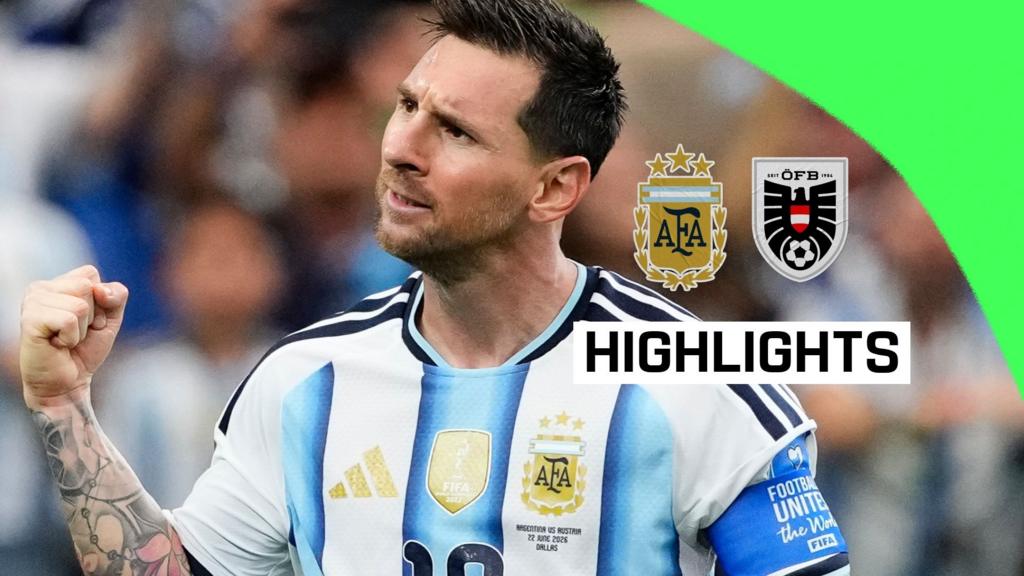
Lionel Messi officially cemented his status as the greatest goalscorer in tournament history with a brace against Austria. By surpassing the previous record, Messi moved Argentina into the last 32 of the competition with a 2-0 win. While the finishing was clinical, Austria’s tactical failure to drop a dedicated defensive midfielder onto Messi’s feet cost them the match.
9. The 2014 Final Winner
Mario Götze’s volley in the 113th minute against Argentina remains a masterclass in opportunistic striking. Andre Schürrle’s cross was behind Götze, yet he controlled it with his chest and finished before it hit the grass. It secured the title for Germany, though the match itself was a grind that lacked the rhythm of earlier knockout rounds.
8. The Hand of God (1986)
Diego Maradona’s goal against England is the most controversial strike ever recorded. By punching the ball past Peter Shilton, he bypassed the limitations of his height and the referee's vision. It remains the ultimate example of gamesmanship bordering on outright cheating, yet it stands as a pillar of World Cup lore.
7. The 2006 Headbutt
Zinedine Zidane’s exit from professional football in the 110th minute against Italy was pure, unadulterated chaos. After Marco Materazzi said something unspeakable about his sister, Zidane delivered a direct strike to the sternum. It effectively ended France's shot at the trophy, cementing a legacy built as much on volatility as technical genius.
6. Iniesta’s 2010 Strike
Andres Iniesta broke the stalemate in the 116th minute to finally bring the trophy to Spain. As reports from the time noted, the intensity of the Dutch approach nearly derailed the entire game. Iniesta’s half-volley was the only moment of true clarity in a match marred by 14 yellow cards.
5. The Miracle of Istanbul (2005)
Liverpool rising from a 3-0 halftime deficit against AC Milan is the standard for European comebacks. Steven Gerrard turned the tide, but Milan’s defensive complacency in a six-minute window remains one of the greatest tactical blunders ever seen. They had three Champions League winners in their backline and still conceded three times.
4. Suarez vs Ghana (2010)
Luis Suarez made the most cynical save in the history of the sport in the 120th minute. By batting the ball off the line with both hands, he sacrificed himself to grant Ghana a penalty they subsequently missed. It was a dark, effective, and entirely calculated act of footballing treason that sent Uruguay to the final four.
3. The 1970 Final Mastery
Brazil’s fourth goal against Italy remains the most aesthetic team movement in history. Pele’s no-look pass to Carlos Alberto saw the defender smash the ball into the corner with terrifying precision. It demonstrated a level of synchronization that no squad has reached since.
2. Pelé’s 1958 Debut
At 17 years old, Pelé became the youngest goalscorer in a final against Sweden. His influence shifted the sport from a regional passion to a truly global phenomenon. Without his arrival, the commercial trajectory of the sport likely would have stalled for another decade.
1. Messi’s Record Breaking Performance (2026)
As the BBC confirmed today, Lionel Messi is now the sole owner of the all-time tournament scoring record. This isn't just about total goals, but the longevity required to sustain that output over five separate tournaments. He has effectively shut the door on the debate regarding his standing in the game.
Honorable Mentions
Baggio’s 1994 penalty miss remains the most painful sight in sports history, but it lacks the joy required to top this list. Roberto Carlos’ 1997 'banana kick' against France is technically superior to anything listed here but didn't alter a tournament result. Iceland’s 2016 win over England remains the peak of international underdog narratives, yet its impact was largely confined to their own domestic celebration.