The defining sequence of a chaotic calendar
The 2025-26 football season provided a blend of tactical innovation and abrupt exits that reshaped the sport. These ten moments represent the pivotal shifts that fans will debate long after the grass grows over this summer's pitches.
The Rankings
1. Real Madrid’s comeback against Bayern Munich: The Champions League semifinal featured a breathless second half defined by Vinicius Jr. sprinting past Joshua Kimmich repeatedly. The 3-2 aggregate victory proved Madrid’s stubborn refusal to die remains the most dangerous weapon in European competition. It sits at number one because of the sheer physical exhaustion demonstrated by both sides over 180 minutes.
2. Leverkusen’s Invincible Bundesliga run: Xabi Alonso guided his side to an unbeaten league campaign, ending the Bayern Munich monopoly through sheer ball retention. Their midfield rigidity meant they rarely conceded more than one goal per match. The result was a boring dominance that changed how the German title race is viewed for the coming decade.
3. Manchester City’s final day title edge: A 1-0 win over Brighton sealed the Premier League trophy, though it lacked the drama of previous years. The lack of defensive tension from their rivals made the coronation feel inevitable rather than earned. It ranks behind Leverkusen solely because the lack of competitive attrition made it a coronation rather than a fight.
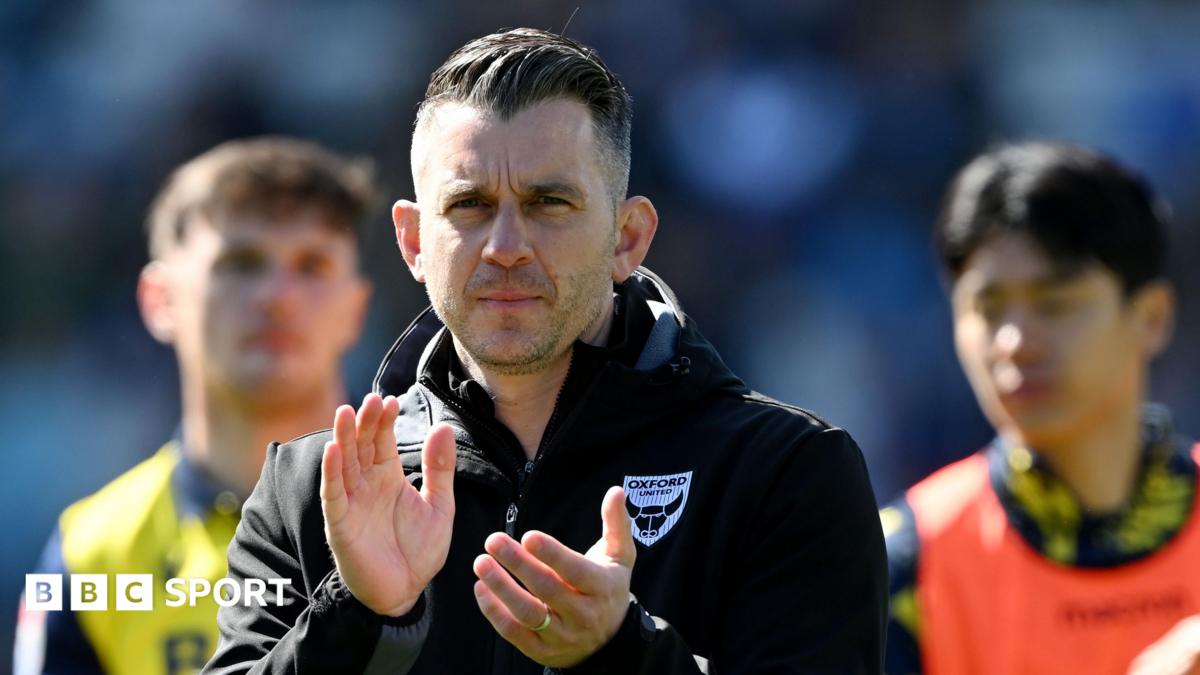
4. Oxford United’s managerial upheaval: The club confirmed the departure of head coach Matt Bloomfield, a move that sent shockwaves through the lower leagues as the BBC reported earlier this week. Losing a technical lead mid-project is an indictment of modern club stability. This ranks here because it highlights the fragility of smaller clubs attempting to maintain high-level tactical identities.
5. The FIFA 2026 rule pivot: Officials confirmed new tiebreaker rules for the upcoming World Cup, moving away from goal difference. This change prioritizes head-to-head metrics, a move aimed at reducing the tactical padding seen in group stages. It ranks mid-table because systemic rule changes often yield unintended consequences that regulators haven't fully modeled.
6. Arsenal’s late defensive implosion: The Gunners managed to drop six points in injury time during April, effectively handing the title to City. Watching William Saliba and Gabriel stutter in critical moments forced fans to question if the team lacks the mental ceiling required for hardware. It is a cautionary tale about why possession metrics mean nothing without late-match concentration.
7. The rise of the 3-box-3 formation: Manchester City and Barcelona both utilized this inverted structure to overwhelm midfields, forcing defensive coaches into desperate, outdated man-marking schemes. It forced the tactical conversation into a narrow funnel where if you aren't packing the center, you aren't competing. Every other manager in Europe looked flat-footed against this evolution.
8. USMNT development struggles: The national team’s failure to secure a high-profile friendly win during the spring window brought scrutiny back to the federation. Players like Christian Pulisic looked isolated while the tactical identity remained stuck between defensive caution and chaotic pressing. This is a negative entry because the lack of discipline in possession remains a glaring, unresolved flaw.
9. The Saudi Pro League investment plateau: After a massive acquisition frenzy last season, the league’s cooling approach to European legends signaled a shift in strategy. Instead of chasing aging stars on massive contracts, the focus moved toward younger, mid-tier assets. It was a failure of the initial recruitment model that left many clubs over-leveraged on contracts they cannot exit.
10. Inter Milan’s tactical flexibility in Europe: Simone Inzaghi managed to rotate his back three with an efficiency that made Juventus look like relics. While they failed to win the big trophy, their ability to switch transition speeds is the gold standard for coaching in a high-press era. They close the list because consistent tactical execution is the rarest currency in world football.
The Big Picture
The 2025-26 season proved that tactical sophistication is no longer a luxury but a baseline for survival. While clubs like Oxford struggle to maintain stability, the elite tier finds ways to rewrite the rules of both the game and the tournament frameworks themselves.
Honorable Mentions
The sudden injury crisis at Liverpool in February nearly derailed their season, proving that depth charts are as important as starting lineups. Additionally, the emergence of teenage midfielders across Serie A provided a spark of originality in a league often criticized for rigid defensive positioning. Both points illustrate that talent pipeline management is the true decider of success.