The Big Picture
Mikel Arteta has transformed Arsenal from a dysfunctional North London giant into the undisputed benchmark of English football. Heading into Sunday’s titanic clash against Xabi Alonso’s Chelsea at the Emirates, the Spaniard sits atop the Premier League as a reigning champion. But his managerial empire was neither built overnight nor without severe scar tissue.
It required a radical cultural cleanup, tactical obsession, and grueling heartbreaks before Arsenal finally broke their silverless spell. Here is the definitive ranking of the ten moments, influences, and decisions that forged Arteta’s career.
The Top 10 Defining Pillars of Mikel Arteta
10. The Antiguoko Childhood Foundation
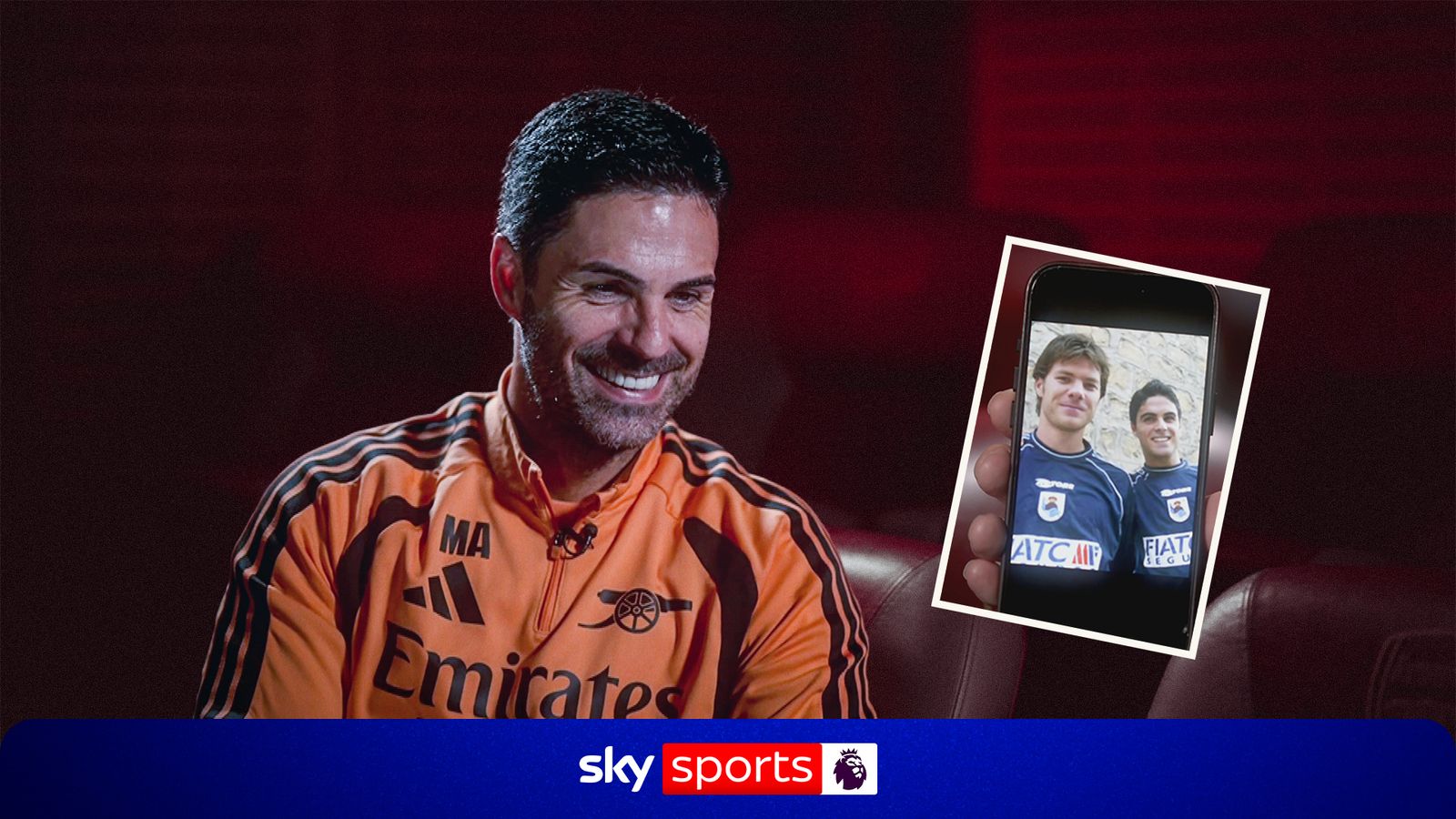
Long before touchline rows in North London, Arteta was a ten-year-old kid kicking leather on Playa de La Concha in San Sebastian. Standing beside Xabi Alonso in matching anoraks for Basque youth club Antiguoko, his competitive wiring was soldered early. That modest grassroots club also produced Liverpool manager Andoni Iraola, proving San Sebastian was a golden cradle for tactical minds.
This entry sits at tenth because it installed his fundamental work ethic and intense focus. While Alonso moved to local giant Real Sociedad, Arteta took the bolder leap to Catalunya, initiating two distinct career paths that collide at the Emirates this weekend.
9. The David Moyes Everton Blueprint
Arteta spent six influential years playing under David Moyes at Goodison Park, internalizing lessons on defensive shape and club-building resilience. Moyes showed him how to maintain structural discipline inside a dressing room operating without elite financial firepower. Arteta regularly points to Moyes as a primary reference point when discussing how to build an operational identity from scratch.
It ranks ninth because it grounds his pragmatic instincts. Critics often mistake Arteta for a pure passing dogmatist, but his compact defensive block traces directly back to those battle-hardened Everton campaigns.
8. Cruyffian Awakening at La Masia
At sixteen, Arteta moved to Barcelona’s La Masia academy and collided with the tactical philosophy of Johan Cruyff. Arteta described the moment his worldview shifted, saying:
"They changed the world for me. It’s like the sky had opened and this was a different sport."
He idolized Cruyff’s Dream Team as a boy, plastering his room with posters while absorbing their principles of spatial awareness and possession control. This ranks eighth because it provided his overarching footballing soul, even if he lacked the physical frame to secure a permanent spot in Barcelona’s midfield.
7. The Budapest Champions League Heartbreak
Arteta’s tenure has not been immune to painful tactical failure. Arsenal reached the 2026 Champions League final in Budapest against Paris Saint-Germain, only to completely freeze under European pressure. PSG exploited Arsenal's overly cautious setup, delivering a harsh tactical lesson on the game's grandest international stage.
This setback takes seventh spot as a sharp critique of his continental record. Arteta demanded speed and ambition after the defeat, yet his hesitation in Budapest exposed lingering vulnerabilities in high-stakes knockout games.
6. The "Drizzle" Culture and Non-Negotiables
Arteta’s management hinges on uncompromising behavioral standards that he compares to unpredictable weather patterns. As reported by the Daily Mail, Arteta outlined his cultural philosophy clearly:
"It’s like drizzle. It’s always raining. You have to have a jacket because if you decide you are going to go without a jacket, you are soaking wet."
From stripping captaincies to enforcing daily locker room discipline, his non-negotiables erased years of Arsenal complacency. It ranks sixth because without this psychological overhaul, no tactical system could have sustained success at the Emirates.
5. Pep Guardiola's City Apprenticeship
Arteta spent three crucial seasons as Pep Guardiola’s key assistant at Manchester City, acting as a tactical sounding board during record-breaking title runs. He learned how to manipulate half-spaces, invert full-backs, and design aggressive pressing traps at maximum tempo. City provided him with an elite blueprint for managing world-class squads under pressure.
This takes fifth spot ahead of his playing influences because it directly equipped him to challenge Guardiola. Arteta took the master’s playbook to London and tailored it into a direct threat to City's dominance.
4. The Summer 2026 Forward Dilemma
Following last season's title victory, Arteta publicly urged Arsenal's hierarchy to be bold in the transfer market. Yet despite heavy links to Vinicius Junior and Julian Alvarez, deadline day passed without a marquee attacking signing, leaving Viktor Gyokeres unused on the bench. Arteta insisted in press conference updates that transfer goals were 100 per cent ticked, though supporters remain deeply doubtful.
This controversial phase ranks fourth because it tests his tactical stubbornness. Managing midfielder Bruno Guimaraes' recent knock while relying on an unstrengthened front line could decide whether Arsenal retain their title.
3. Enduring Three Straight Runner-Up Finishes
Losing three consecutive title fights to Manchester City between 2023 and 2025 would have shattered most coaching projects. Arsenal suffered late-season collapses that provoked intense media scrutiny and fan anxiety across the country. Yet Arteta held his nerve, resisting squad overhauls in favor of surgical tactical refinements every summer.
That psychological endurance claims the bronze medal. Arteta survived three straight second-place finishes without fracturing his dressing room, instilling the exact resilience required for their ultimate breakthrough.
2. The Impending Emirates Duel vs. Xabi Alonso
Sunday’s clash against Chelsea represents far more than three London derby points. It pits Arteta directly against Xabi Alonso, his boyhood friend from San Sebastian who led Bayer Leverkusen to an unbeaten Bundesliga title before taking charge at Stamford Bridge. As highlighted in Sky Sports coverage, their shared upbringing now fuels the Premier League's premier managerial rivalry.
It ranks second because it illustrates Arteta’s status at the top of the game. He is no longer the rising challenger; he is defending his domain against his oldest equal.
1. Ending Arsenal's 22-Year Title Drought
The definitive triumph of Arteta’s career arrived last May when Arsenal ended decades of near-misses. The Gunners outlasted Manchester City across 38 agonizing matches to claim their first title in 22 years, completely changing the club's modern trajectory. Arteta dragged Arsenal out of post-Wenger mediocrity and proved his demanding process produces elite silverware.
Nothing else could occupy the top spot. Arteta didn't merely win a trophy; he shattered a twenty-year psychological ceiling and solidified his place among world football's elite managers.
Honorable Mentions
Key moments that barely missed the top ten include his initial FA Cup triumph in 2020 during lockdown and his bold decision to integrate academy talents into the first-team spine. His tactical pivot toward inverted full-backs in 2022 also laid critical groundwork, though it ultimately served as a stepping stone toward his title-winning masterclass.