The State of Play
The 2026 Premier League season has devolved into a tactical arms race where depth charts matter more than starting elevens. Clubs are burning through transfer budgets to plug mid-season gaps while tactical rigidity is being punished in real-time.
10. The 4-4 North London Draw
Arsenal and Tottenham played to a chaotic stalemate in April that exposed defensive liabilities for both sides. The defensive structure collapsed repeatedly, with neither manager adjusting their high line despite four goals against. It remains the most unhinged ninety minutes of football played this year.
9. Chelsea’s Midfield Reconstruction
Enzo Fernandez finding his rhythm under the latest tactical shift allowed Chelsea to control possession cycles. They maintained a 70% share against bottom-half sides for three straight weeks in May. It validates the front office strategy, though the lack of clinical finishing in the final third prevents a higher ranking.
8. Manchester City’s Tactical Fatigue
Pep Guardiola’s reliance on a narrow inverted-back formation backfired during a winless three-game stretch in June. Opponents identified the space behind the wing-backs, exploiting the gap with rapid diagonal balls. It serves as a reminder that even the most dominant system has a shelf life.
7. Aston Villa’s Top Four Persistence
Unai Emery continues to maximize a squad with limited rotation depth. Their ability to secure points while playing Thursday-Sunday splits is mathematically impressive. They occupy this spot because their consistency forces the 'Big Six' to acknowledge their legitimacy as a permanent disruptor.
6. The Brighton Tactical Pivot
The fluidity between a 4-2-3-1 and a 3-4-2-1 formation has made Brighton a nightmare to prepare for. Fabian Hurzeler’s squad executes high-press triggers with surgical timing. They are higher than Villa because their xG per game is significantly more sustainable over a full season.
5. Newcastle’s Defensive Resilience
Despite significant injury issues to their backline, Eddie Howe’s unit allowed only 12 shots on target over an entire month. Their low-block discipline turned games against superior possession sides into frustrating wars of attrition. It is ugly, effective, and entirely necessary given their lack of attacking depth.
4. Liverpool’s Strategic Pivot
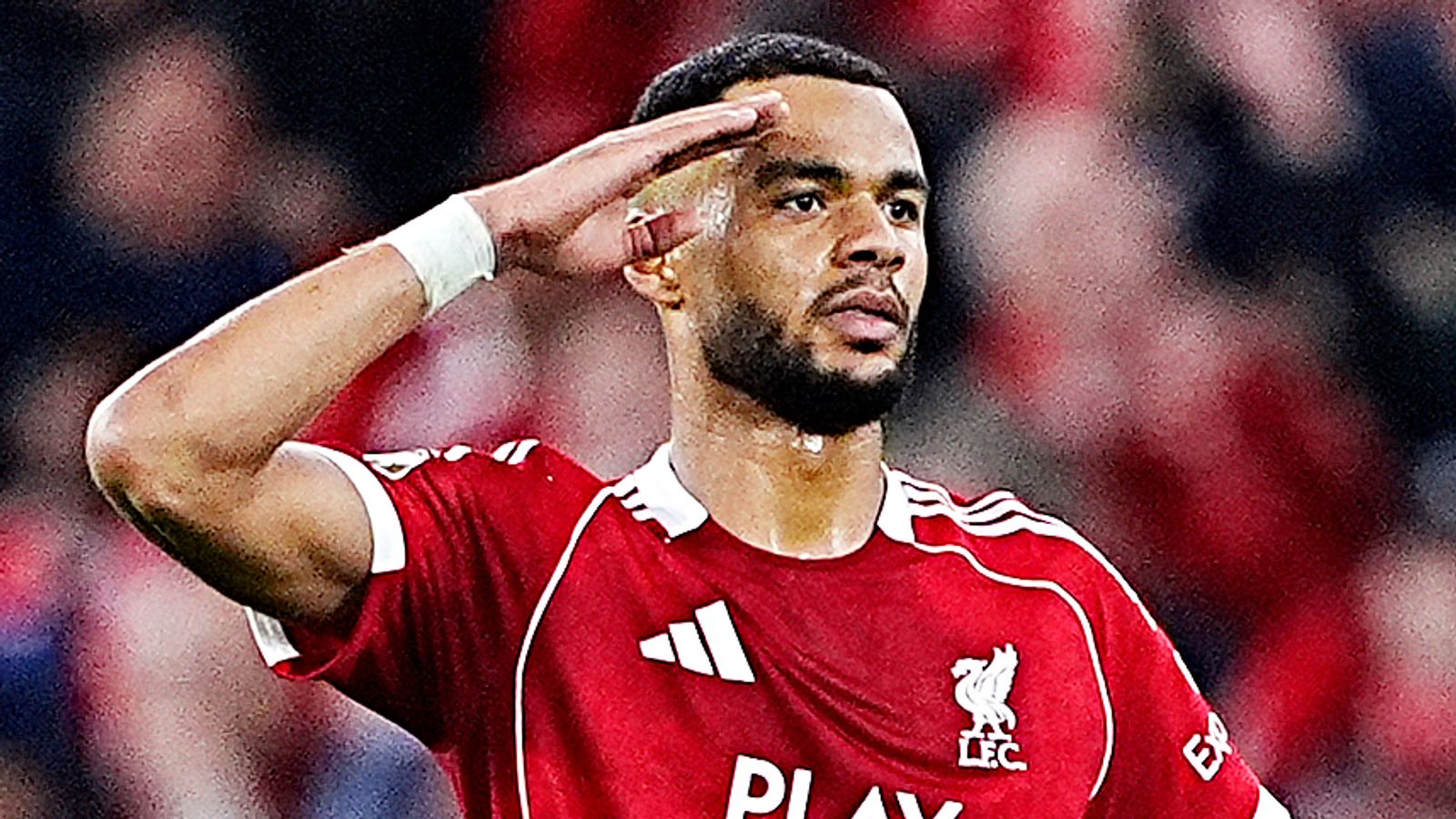
Liverpool currently faces a critical window regarding their personnel and the reported interest in Cody Gakpo, as Sky Sports noted earlier this summer. Managing the rotation of forwards like Gakpo is a massive test for the coaching staff. Losing squad depth now would jeopardize their ability to compete on all fronts.
3. The Manchester United Rebound
After a disastrous start, United switched to a transition-heavy approach that suits their fast wingers. They moved up the table by simply ignoring the midfield battle and launching long balls into space. It is a crude tactical choice, but 18 points from 21 is hard to argue with.
2. The Managerial Merry-Go-Round
Five clubs sacked their managers before the season reached its halfway point. The instability suggests that ownership groups are losing patience with process-oriented rebuilding. This knee-jerk trend is a negative for the league’s long-term health.
1. The Tactical Deflation
The most significant trend of 2026 is the league-wide move away from high-pressing toward deeper defensive blocks. Teams are playing with 35% possession and winning by margins of 1-0. It is a cynical shift that prioritizes results over the entertainment value that drew global interest to the league.
Honorable Mentions
West Ham’s struggle to integrate new signings into the starting lineup remains a glaring oversight in their recruitment department. Fulham’s late-match winner against Brentford is the only reason they remain clear of the relegation dogfight. These moments feel smaller in the broader context but define the bottom half of the table.