Measuring individual brilliance in a post-World Cup cycle
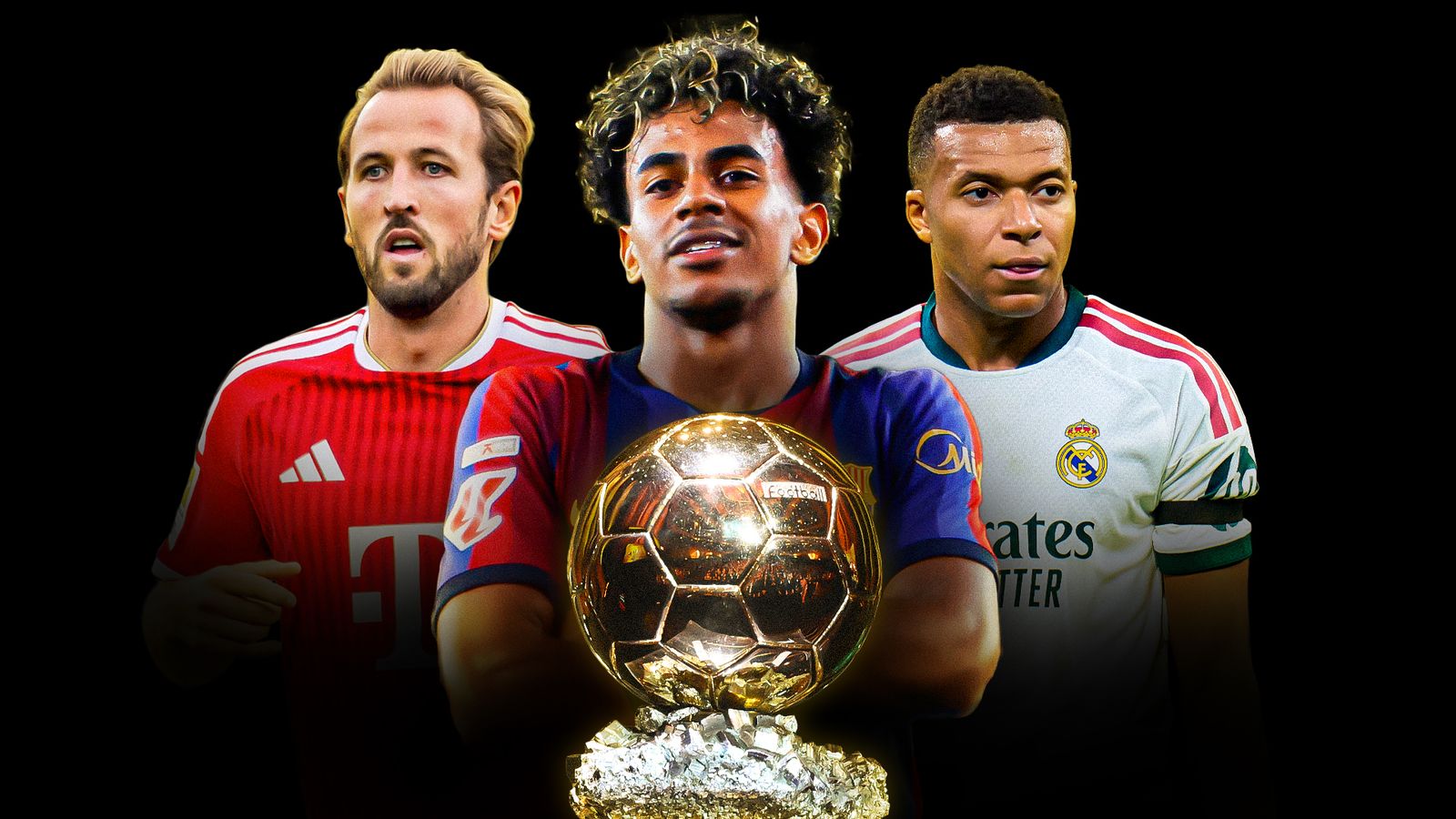
The Ballon d'Or has always operated on a calendar that defies logic, existing as a subjective trophy in a sport obsessed with objective results. Following the 2026 World Cup, voters face the familiar tension between sustained domestic excellence and high-stakes international performance. History suggests the tournament winner usually holds the upper hand, but with the dust settling on this summer's showpiece, the metrics favor those who remained lethal across a relentless 10-month club campaign.
We are currently looking at a shortlist that feels fractured by conflicting philosophies. Should a player rewarded for 50 goals in domestic football lose out to someone who clicked for four weeks in June? The recent coverage of the 2026 Ballon d'Or highlights how the absence of a singular, dominant force during the World Cup has left the door ajar for a populist shift or a tactical purist's nightmare.
The evolution of the elite attacker
Observe the rise of the high-output wide forward. As witnessed in the tactical shifts from the Premier League to the Champions League, the traditional number nine is now often a decoy. Clubs are moving away from focal points to fluid front lines. When we analyze the current candidates, we stop looking at raw goal tallies and start tracking progressive carries and defensive third pressures. The player who tracks back to support a fullback in the 88th minute is now valued as highly as the one who scores the winner.
However, there remains a disconnect in how we weigh these efforts. Modern data sets are incredibly precise, showing us exactly where shots are taken and how often passes break the defensive line. Yet, the voters often revert to nostalgic metrics. They chase the highlight reel, ignoring the quiet, efficient pivot who stabilized a midfield during the 42 games of a domestic term. This cognitive dissonance creates a skewed perception of performance.
Defensive fragility and coaching rigidity
One glaring issue this cycle is the stagnation of top-tier tactical setups. Several managers reached the knockout stages of the World Cup by defaulting to a low block, prioritizing safety over creation. This inhibited individual attacking brilliance, resulting in a series of tepid matches that did little to boost any one candidate's claim to the trophy. We watched games where the expected goals (xG) barely breached 1.0, a damning indictment of the conservative approaches adopted by coaches terrified of knockout-stage exits.
If the Ballon d'Or is meant to highlight the best individual, it struggles when the best players are hamstrung by cowardly tactical structures. A player cannot be faulted for a system that prevents them from touching the ball in the final third, yet their individual candidacy suffers because of it. We are seeing a negative trend where team success is increasingly masking individual mediocrity, making the job of identifying the true 'best' player nearly impossible.
Prediction: A reward for consistency
My prediction for the ceremony later this year? The voters will pivot away from the World Cup winners and back toward the dominant force in the strongest domestic league. Expect a playmaker who maintained a 92% pass completion rate while dictating tempo in a league-title-winning side to edge out the international stars. Despite the noise surrounding the tournament, the numbers favor the grinder over the tournament specialist. They will choose the player who showed up every Saturday rather than the one who caught fire for three weeks.
The winner will be the individual whose contribution added the most value to their side's points total, a move that favors substance over the occasional spectacular moment of brilliance. It will be a controversial choice, sparking debates that will persist until the 2027 shortlists are released. Personally, I believe the award remains fundamentally flawed, clinging to an outdated idea of what it means to be the 'best' player in an era of hyper-specialization.