The high-press myth
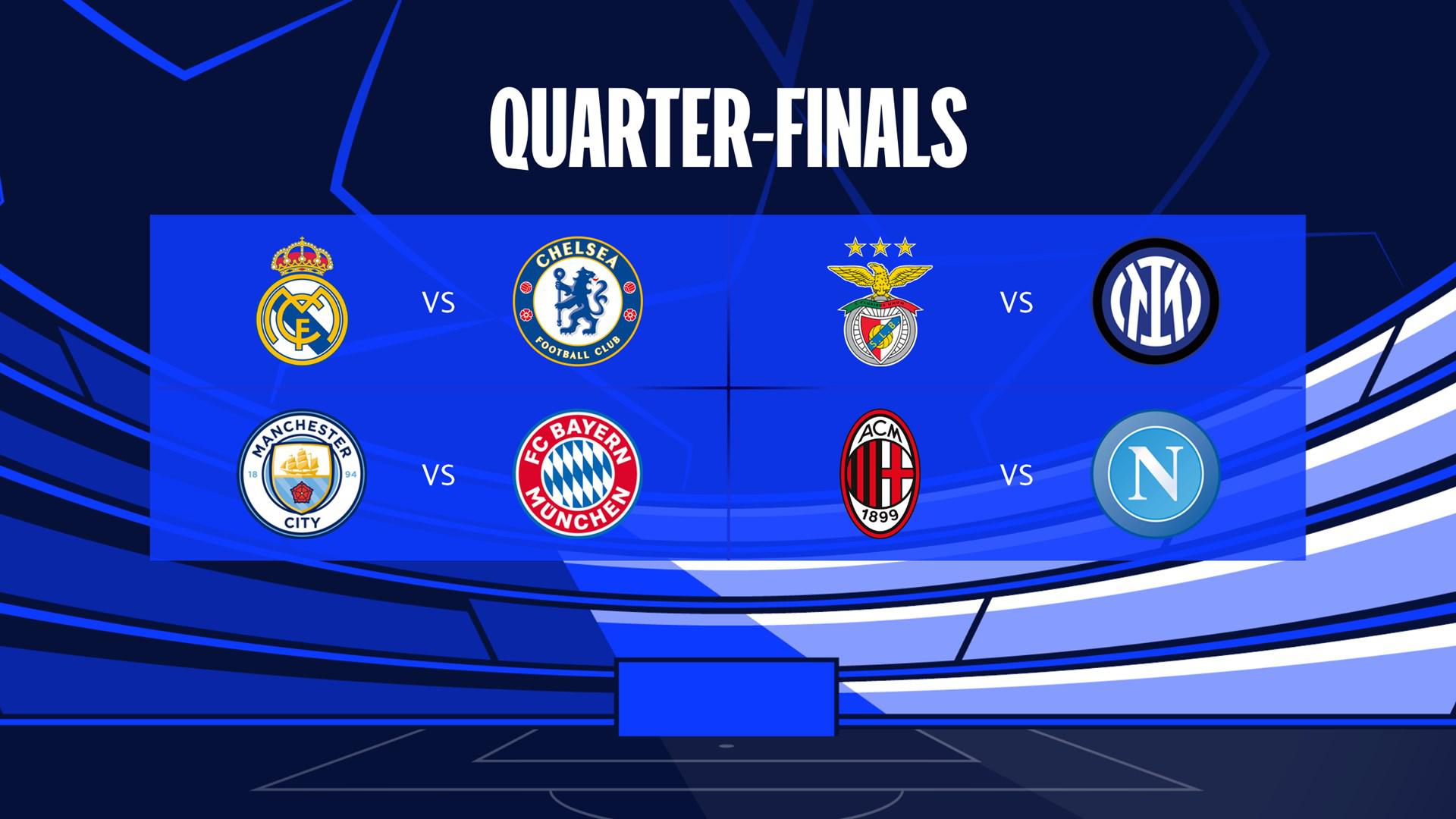
Every pundit screams about intensity, but the 2026 quarter-finals proved that elite managers have lost their nerve. Watching the opening legs, we saw a collective retreat into mid-blocks that would make a Serie A side from the nineties look adventurous. It is not high-octane football when four teams are terrified of a counter-attack.
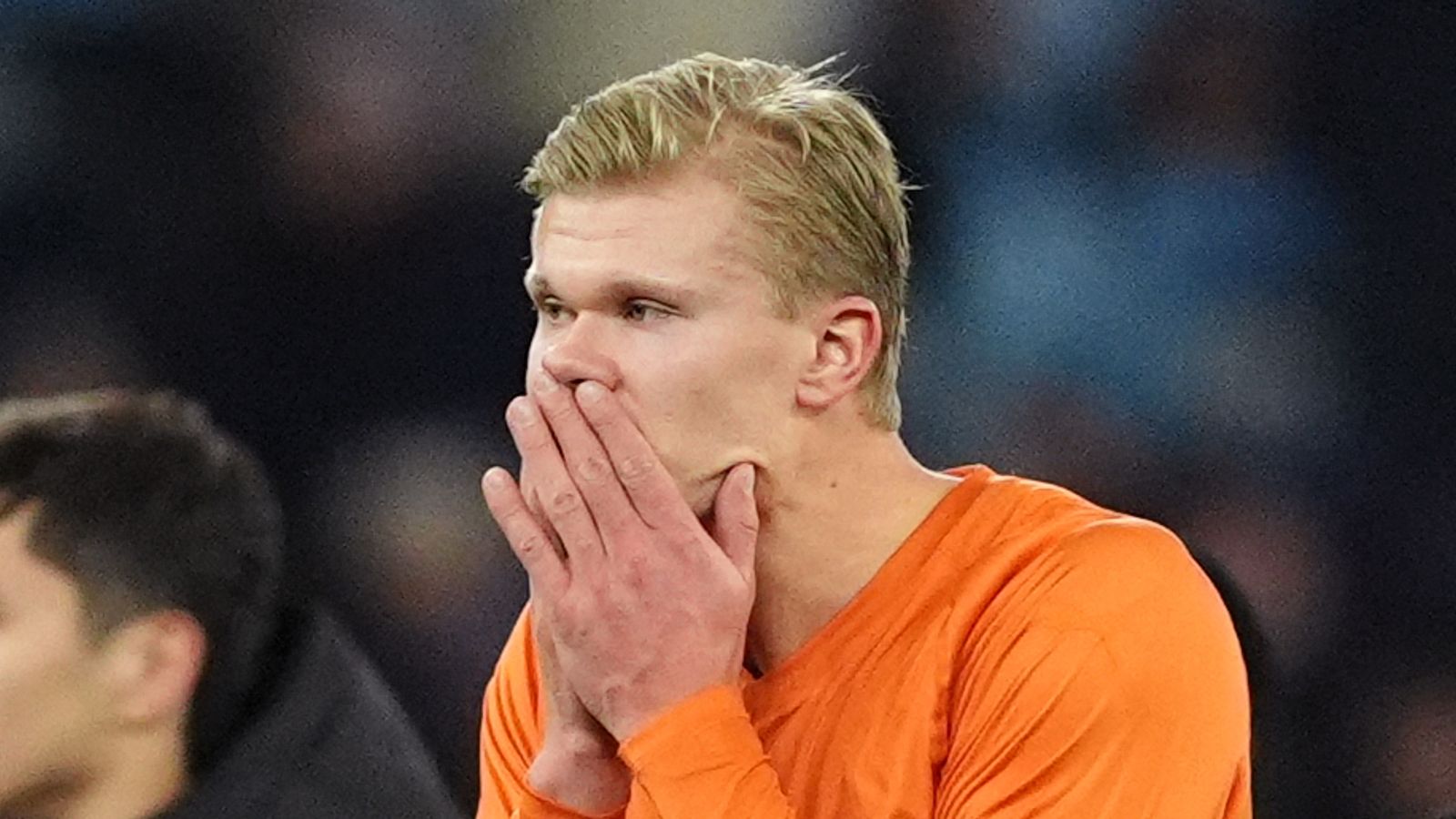
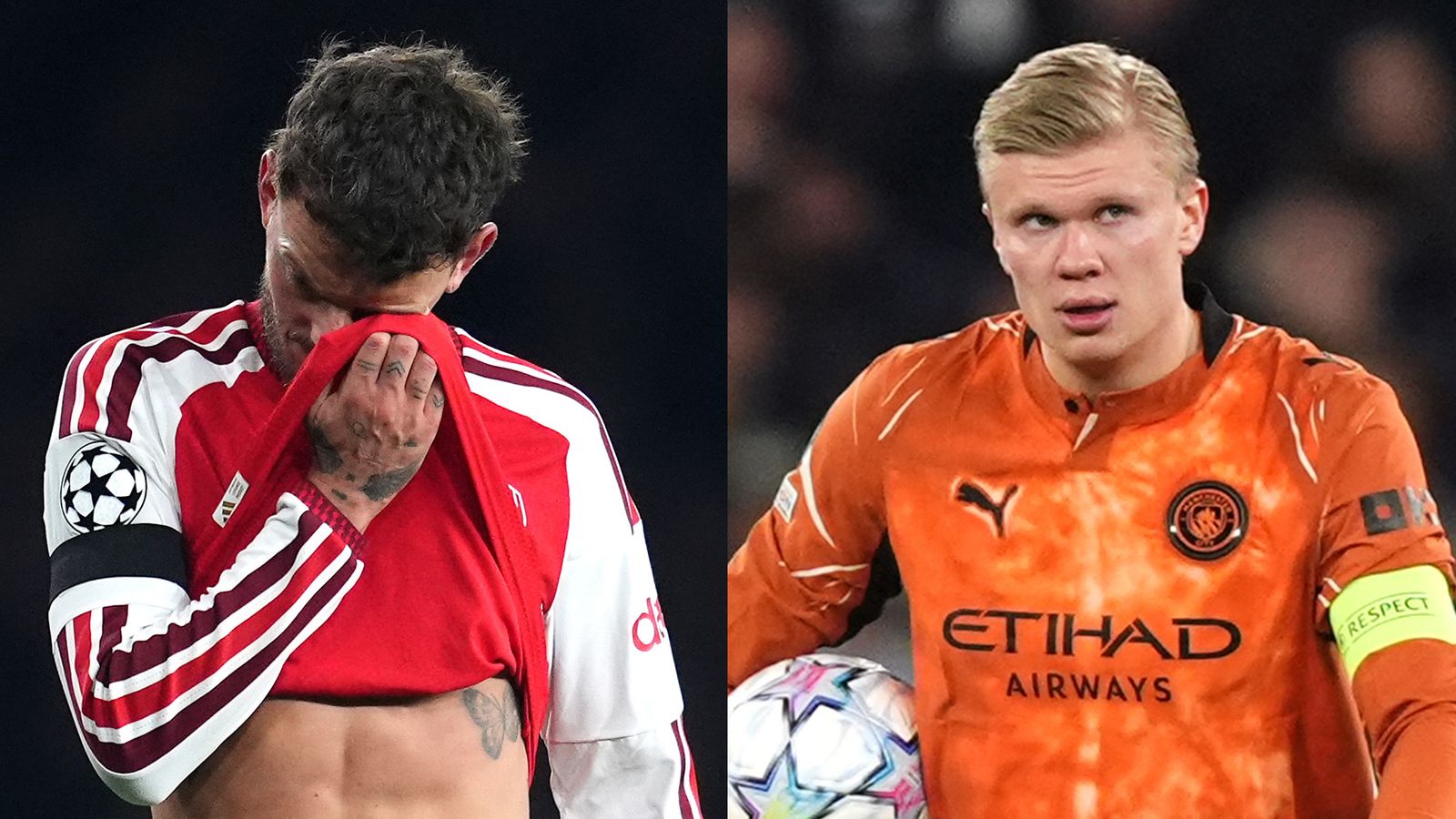
Look at the tactical setup in the Manchester City versus Real Madrid tie. Pep Guardiola opted for a back three that effectively became a back five the moment the ball crossed the halfway line. The pressing triggers were non-existent, replaced by a cynical, structured retreat. It reminded me of the 2012 semi-final where Chelsea parked the bus, except now it is being called tactical discipline.
Midfield stagnation and the buildup trap
The buildup play across these ties has become a sterile exercise in passing backward. Teams are averaging 65% possession without ever threatening the final third. We are seeing center-backs exchange square passes for minutes while the opposing forwards jog in circles, waiting for a mistake that never happens.
This is where the game is failing. When the ball moves through the middle, it does so with zero urgency. The pivot players are being coached to keep the ball safe rather than creating space. It turns the most prestigious competition in the world into a chess match where neither side wants to move their queen.
The game is becoming a tactical stalemate where the fear of losing outweighs the desire to create.
As The Guardian reported, the lack of shots on target in the first half of the quarter-finals hit a record low. This is not evolution; it is a regression into defensive obsession. We want to see players taking risks, not spreadsheets dictating the exact angle of every pass.
Individual battles that saved the week
Despite the tactical malaise, the individual duels provided the only sparks. The clash between the left-back and the inverted winger was the only area where real, unscripted football occurred. Watching that specific battle in the Bayern Munich match reminded me of the old school wing play of the early 2000s.
The penalty decision in the 82nd minute for Barcelona was the only moment of genuine drama in a vacuum of creativity. It was a soft call, but it forced an actual reaction from the opposition. Before that, the game was drifting toward a scoreless draw that felt like a chore to watch.
Why managers need to wake up
The obsession with control is ruining the spectating experience. Coaches are obsessed with limiting opposition xG rather than maximizing their own attacking output. As noted in The Athletic analysis, the average distance between lines has shrunk to under 15 meters, choking the life out of the game. It is time for a change in philosophy before the Champions League becomes a snooze-fest of tactical rigidity.
Read Next
- The Moments That Broke the Last Eight
- Why Manchester City and Real Madrid are destined to ruin the 2026 final
- Mbappé's chaos vs Haaland's ghost act: Who wins the 2026 UCL quarter-final
- Real Madrid and three pretenders: The 2026 Champions League semi-final reality
- ⚽ La Liga 2025-26 — Title Race Hub
- ⚡ UCL Quarter-Finals 2026 — Full Coverage Hub