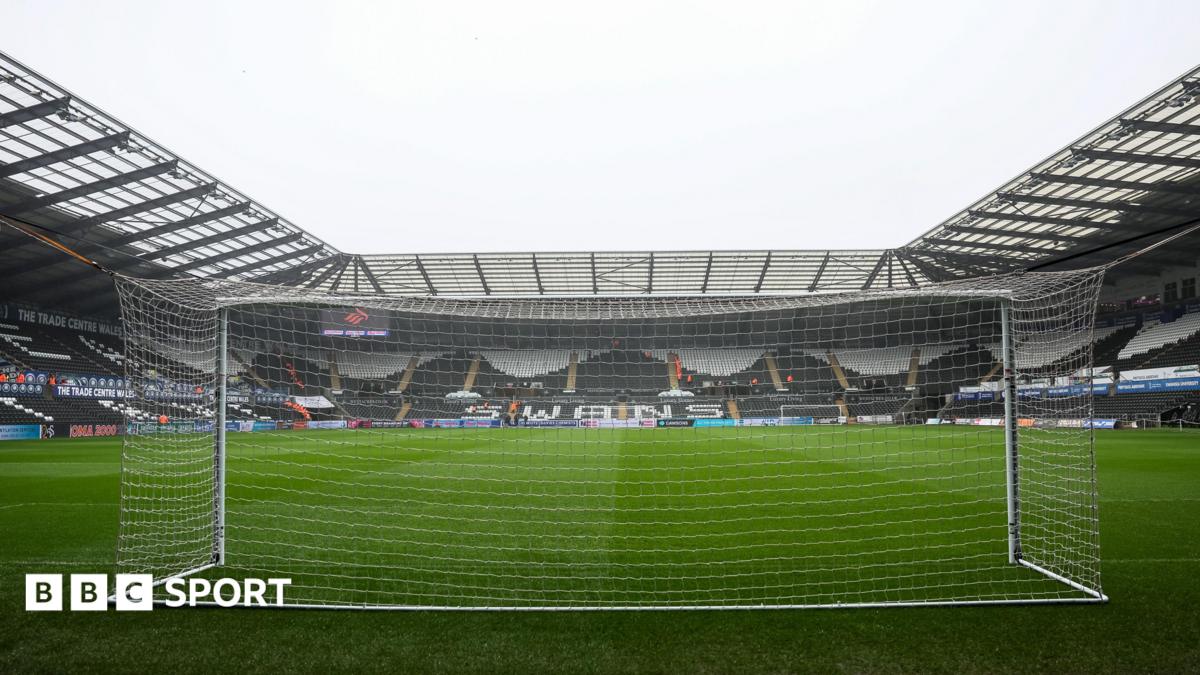
The path to stadium ownership
Swansea City has cleared a significant financial hurdle in its long-term strategy. Swansea Council has officially agreed to the sale of the Swansea.com Stadium to the club. This marks the end of years of negotiations between the local authority and the ownership group regarding the venue.
For supporters, this transition represents a shift from being tenants to landlords. Ownership of the stadium is viewed as an essential component for the club to manage its own revenue streams and future infrastructure projects. While the primary goal remains stadium control, the financial implications for the playing squad will be defined by how the club allocates the capital expenditure once the transaction concludes.
Tactical and financial implications
Securing the stadium does not automatically equal a massive injection of cash for transfers. Swansea City must balance the acquisition of the facility against their standing in the Championship. The stadium itself holds a capacity of approximately 21,000, which is adequate for their level, but operational costs associated with maintenance are now shifting entirely to the club.
Reports indicate that the stadium facility requires modernization to maximize match-day revenue. Without this, the surplus available for managerial transfer budgets could remain thin. Managers have historically struggled to secure high-value signings here due to disciplined spending caps, and until the stadium move is finalized with legal and land registry clearances, the club remains in a period of restricted spending.
One critical negative observation is the potential for under-investment. If the ownership group treats the stadium as an asset to be leveraged rather than a home to be improved, the squad’s quality might suffer in the short term. Fans should keep a close eye on the official confirmation from the BBC as to whether the sale price includes a set commitment for stadium renovations.
The timeline for completion
While the agreement is in place, the legal framework for transferring a public asset to a private entity takes time. We are looking at a process that will likely bleed into the autumn months. Do not expect a sudden spike in transfer activity based solely on this news, as the cash flow for the purchase will be tied up in escrow for the coming weeks.
Competing interests within the council may move to attach conditions to the sale. These could include community access mandates or historical land use covenants. Such details often slow down final signatures regardless of the initial agreement to sell.
Probability and outlook
The probability of this deal closing is high. The council has already signaled its intent, and both sides appear aligned on the benefit of moving the stadium into private hands. This is not a matter of if, but when the final paperwork is filed. Expect the narrative to shift toward stadium development plans by the end of the calendar year.
If the deal crosses the line, the immediate impact will be administrative. The club gains control over commercial partnerships, parking, and concert venue revenue. In the long run, this transition provides the necessary foundation for the club to operate as a self-sustaining entity in the modern football market. Without it, Swansea would continue to rely on the traditional, and increasingly unsustainable, model of landlord-tenant financial constraints. The success of this move hinges entirely on whether the revenue generated at the gates stays inside the football operations.
Read Next
- Lesley Ugochukwu heads to Turkey as Burnley look for balance
- Milan is burning the furniture to keep the lights on
- Hull City's transfer window is turning into a bargain bin nightmare
- Sixty years later and England still haven't found the winning formula
- 🏟 EFL Championship 2025-26 — Promotion Race & Play-Off Final Hub