A Thirty-Year Wearside Teammate Gets Subbed Off
Imagine pulling your premier defender off the pitch in the 89th minute while clinging to a fragile lead. That is precisely what Sunderland city council just pulled off in local politics. After a 30-year partnership, the council leadership decided to cut ties with Show Racism the Red Card.
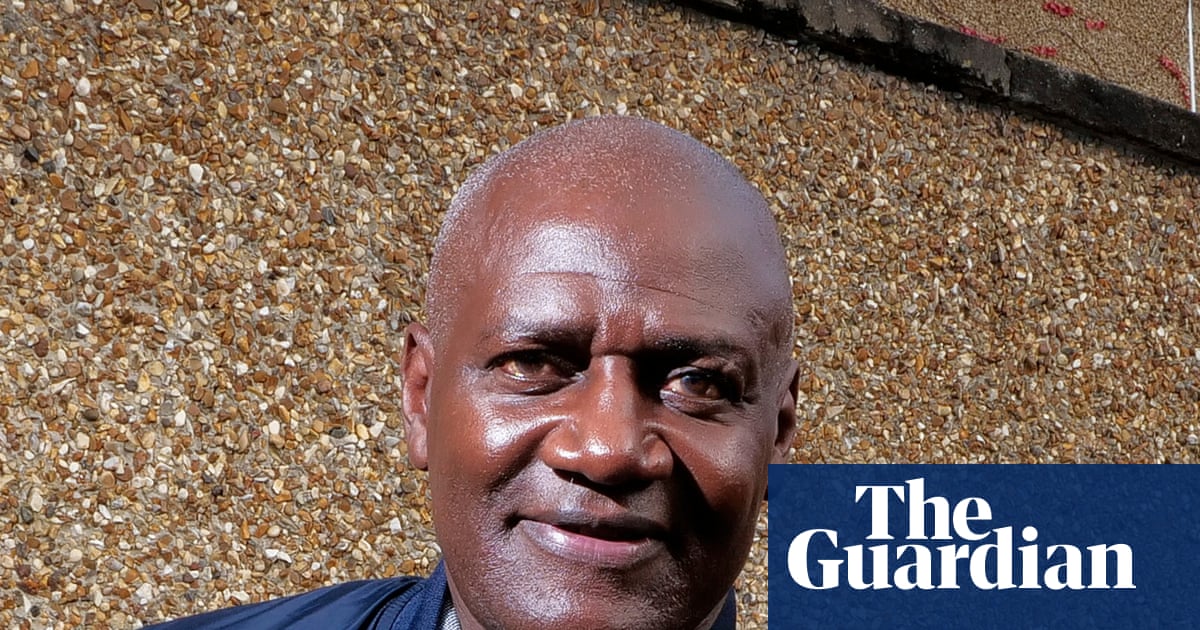
If you know anything about football on Wearside, Gary Bennett is absolute royalty. The man arrived at the club in 1984 as only the second black player in Sunderland's history. He spent years anchoring the defense as a commanding centre-back, earning cult hero status among fans at Roker Park and the Stadium of Light.
When Bennett co-founded Show Racism the Red Card in 1996, Sunderland became the very first local authority to back the initiative. The charity spent three decades going into local classrooms, prisons, and offices to tackle prejudice before it starts. Suddenly, that entire history got tossed into the bin over a political squabble.
The council leader, Christopher Eynon, pulled the plug after his party gained control of the authority in May 2026. Eynon announced the move last week, claiming the council will no longer fund what he termed "politically charged organisations with an agenda." It is a wild take to label an educational charity started by a Wearside legend as a political operation.
Bennett himself was stunned when the decision became public knowledge. The former captain made it clear that the charity was left reeling by the sudden cutoff. He pointed out that the group just wants actual answers about why a thirty-year bond got severed overnight.
Here is what Bennett said regarding the unexpected funding cut:
"We’re not a political charity – they’re trying to say we are but we’re not. Sunderland were the first council to come onboard to help fund us, that’s the annoying thing. For something like this to happen now, we just want to know the reasons why."
That response gets right to the core of the issue. Bennett was there when Sunderland led the country in supporting anti-racism education back in the nineties. Watching the current council pull the plug feels like a club board selling off a homegrown hero for scrap.
The Real Impact on the Pitch and in Classrooms
Ending this financial backing immediately disrupts the charity's daily operations across Wearside. We are talking about canceled anti-bias workshops for school kids, halted prison rehabilitation sessions, and dropped workplace seminars. You cannot simply pull funding from established programs without leaving a massive void in local schools.
The decision prompted immediate anger from local representatives across the political aisle. Labour politician Bridget Phillipson voiced her frustration on Tuesday, calling the move "misguided, cruel and in no way backed by the people of Sunderland." When a thirty-year educational staple gets axed without warning, people are naturally going to demand explanations.
Inside the Politics: Eynon, Grebby, and the Feud
Every messy transfer saga has behind-the-scenes friction, and this decision is no different. Council leader Christopher Eynon insists the council is not stepping back from fighting discrimination. He explicitly stated that "racism has no place in Sunderland" while explaining the funding withdrawal.
So what actually triggered this sudden breakup between the council and the charity? Eynon took serious issue with public remarks made by Ged Grebby, the chief executive of Show Racism the Red Card. Grebby had publicly characterized Reform UK as a "very dangerous organisation."
Here is where we have to be completely honest about how this played out. Grebby had every right to express his personal political opinions. However, shooting off his mouth publicly gave Eynon the exact ammunition needed to frame the charity as an ideological opponent.
When you run a charity reliant on public funds, handing an incoming council a free open goal is sloppy work. Grebby defended his comments by noting that the charity enjoys broad support across the political spectrum. But in the razor-sharp arena of council politics, that defense fell completely flat.
Eynon seized on those comments to brand the charity as a partisan outfit. That gave the council cover to pull the plug while claiming neutrality. It is classic tactical misdirection from politicians who would rather settle scores than protect community programs.
The result is a classic standoff where neither side looks particularly sharp. Grebby made a tactical error by stepping into party politics, while Eynon used that mistake to justify an overreaction. And caught right in the middle are the local kids who used to get anti-racism workshops in their classrooms.
The Grassroots Cost of Political Football
While politicians trade blows in council chambers, the community takes the hit. Anti-racism education is not some abstract theoretical debate; it is practical work on the ground. When you cut funding for school visits, you are pulling coaches off the pitch when the match is still tight.
Gary Bennett pointed to recent events to emphasize why this work remains essential. He referenced the widespread racist riots that tore through English cities, including Sunderland, in 2024. Those violent outbursts proved that deep-seated prejudice still boils over in local communities.
Bennett explained the ongoing challenge in plain terms:
"You’ve got all different issues going on now. It keeps moving, it’s always something else which causes some form of racism. It’s something that is challenging every single day and we’ve got to keep the fight. There’s still lots of work to be done and we can’t just ignore it and think it’s going to go away because it’s not."
You cannot pretend these social problems vanish because a council switches leadership. Bennett lived through the hostile environments of 1980s football when he was patrolling the backline for Sunderland. He understands better than anyone that keeping bigotry off the terraces and out of schools requires constant effort.
Stripping resources from anti-bias programs during volatile times is terrible management. It is equivalent to firing your entire medical staff right after a severe injury crisis. You do not build a healthier community by shutting down the teams doing the actual work.
Here is what gets lost when local councils start cutting community ties:
- Direct anti-racism workshops delivered in local Wearside primary and secondary schools.
- Specialized education programs running inside regional prisons to prevent reoffending.
- Diversity and inclusion training sessions tailored for local businesses and workplaces.
Scrapping those three pillars leaves local teachers and community leaders without vital support. Bennett and his team built those programs over three decades from the ground up. Throwing them away because of political bickering is an amateur mistake.
From Sunderland to Bradford: The Wider Playbook
If you think this Sunderland situation is an isolated tackle, look at the wider fixture list. Over in West Yorkshire, council representatives in Bradford are executing the exact same game plan. They have put forward a motion for their upcoming October meeting to exit the Local Authority of Sanctuary scheme.
That sanctuary scheme is designed to ensure cities remain welcoming environments for refugees and asylum seekers. In Bradford, it involved local libraries hosting events during Refugee Week to engage new arrivals. The council group wants all of that scrapped immediately to divert funds elsewhere.
Reform councillor Jayne Morgan defended the Bradford proposal with zero hesitation. She acknowledged that the motion "may upset oversensitive political opponents" while claiming it serves the broader public interest. She argued that public services must be prioritized exclusively for existing Bradford residents.
Bradford Labour group leader Imran Khan hit back forcefully against the proposed policy. Khan accused the council group of failing on summer promises and falling back on a "toxic recipe of hate, victimhood and division." He stated plainly that exiting the scheme would do nothing to help a single person in the city.
Khan went on to accuse the group of clear "vice signalling" that actively damages social integration. The pattern across both councils is identical and completely transparent. Pick a high-profile community initiative, label it as partisan, and score quick political headlines with your base.
The tragedy in all this is that grassroots sport and education get trampled in the rush. Show Racism the Red Card was established by real footballers who put in decades of work off the pitch. Replacing 30 years of proven community work with council chamber posturing is a massive self-goal for everyone involved.
Read Next
- Man City beat Sunderland 5-3, but their defense looks broken
- Josko Gvardiol has solved Enzo Maresca's biggest tactical puzzle
- Declan Rice's mega deal shows Arsenal are all in on Arteta
- Mikel Arteta agrees new Arsenal deal as rival managers react
- 🏟 EFL Championship 2025-26 — Promotion Race & Play-Off Final Hub