Tactical cost of the shootout victory
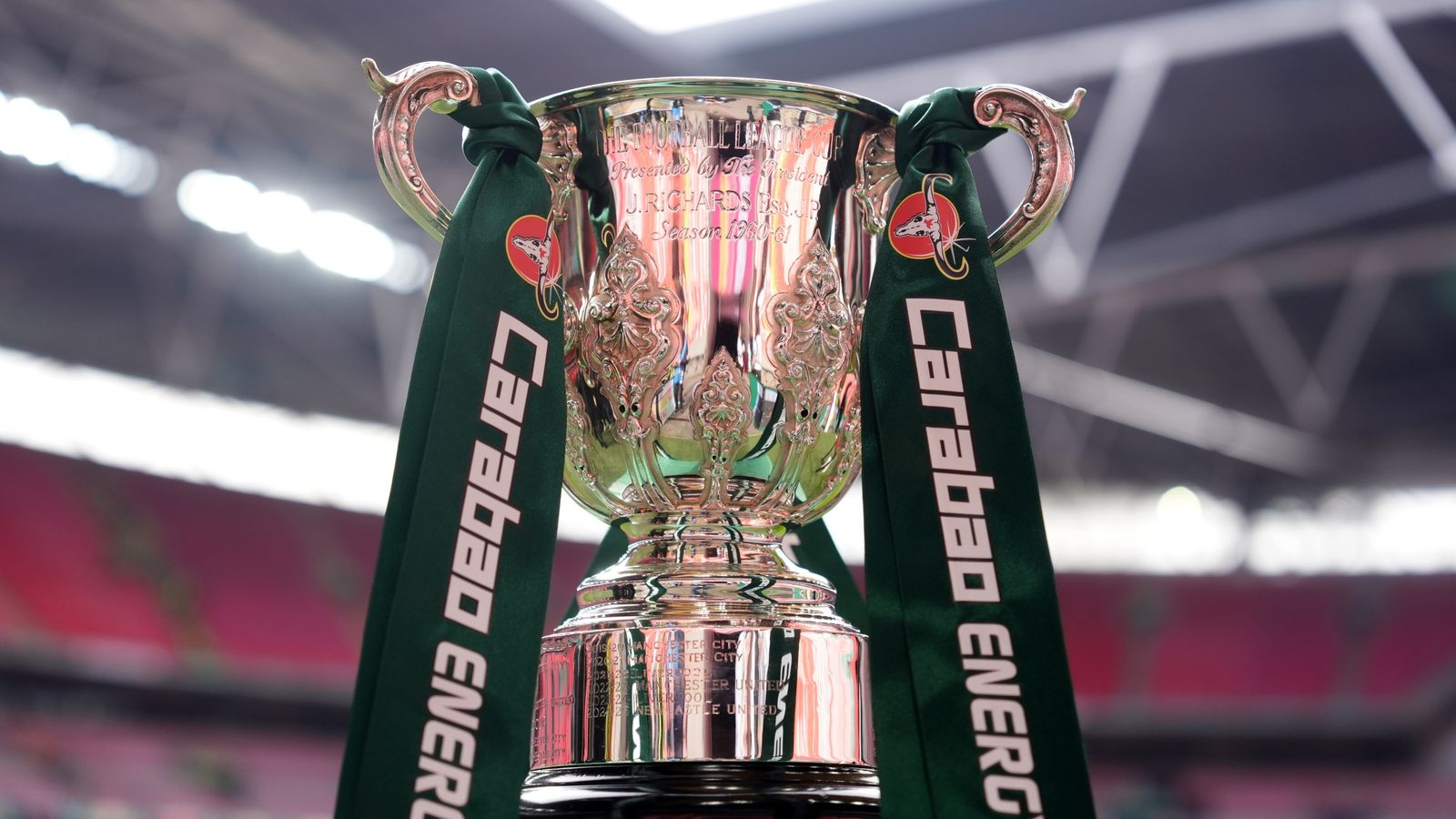
Rochdale secured a hard-fought advancement in the Carabao Cup last night, defeating Tranmere Rovers via a penalty shootout. While the victory provides momentum for the early campaign, the match left the squad thinner at a position that requires high-intensity movement. The medical staff is currently assessing a soft tissue injury sustained by a key rotation player during the final 15 minutes of regulation play.
The player in question pulled up while tracking a transition play in the 78th minute. He was immediately withdrawn to prevent a high-grade tear. Initial clinical observation suggests a Grade 1 hamstring strain. This is a common early-season setback when players are forced into high-load matches before reaching full match fitness.
The return timeline and squad depth
Physical therapists are targeting a return to training in 10 to 14 days. This timeline excludes the player from the next two league fixtures. The club is prioritizing a cautious recovery path to avoid a recurrence, a risk that frequently plagues players returning too early from hamstring pulls. If the recovery stalls, the player could miss a total of 4 matches across all competitions.
Managerial staff are now forced to adjust their selection for the weekend. The squad lacks a direct like-for-like replacement with the same defensive work rate. This injury highlights the precarious nature of early-season fixture congestion. With ongoing transfer chatter circulating around lower-league depth, the bench strength will be tested immediately.
Historical context of early-season strains
Soft tissue injuries during the first month of the season are rarely isolated incidents. Historically, clubs transitioning from high-intensity preseason training to competitive match-day stress see a spike in muscle-related absences. Data from previous seasons confirms that squads with smaller rotations see a 15 percent increase in non-contact injuries during August.
Rochdale must now manage this deficit without overplaying their remaining core. Overloading players to cover for an injured teammate often triggers secondary injuries. The rotation policy will likely shift from merit-based to workload-based for the next fortnight. Expect the starting XI to look significantly different by the second week of August.
Critical look at the roster construction
The reliance on a narrow core is a questionable strategy this early in the year. While the cup win is a morale booster, the inability to rotate comfortably without a drop in output suggests a deficiency in the current recruitment strategy. Relying on starters to play full 90-minute stretches in mid-week cup ties invites these exact scenarios.
If the medical prognosis holds, the club remains in a salvageable position. However, continued issues with conditioning will derail any hopes of a promotion push. Fans should monitor the team sheet closely for the upcoming Saturday kickoff. Any further personnel changes will signal that the injury list is growing beyond this single incident.
The administrative team is likely evaluating the free agent market as a direct consequence of this development. Securing veteran depth on short-term contracts is a standard move to mitigate such vulnerabilities. Whether they pull the trigger depends on the long-term prognosis of the current injured party. The margin for error is already shrinking.