De Zerbi's early laboratory in New Zealand
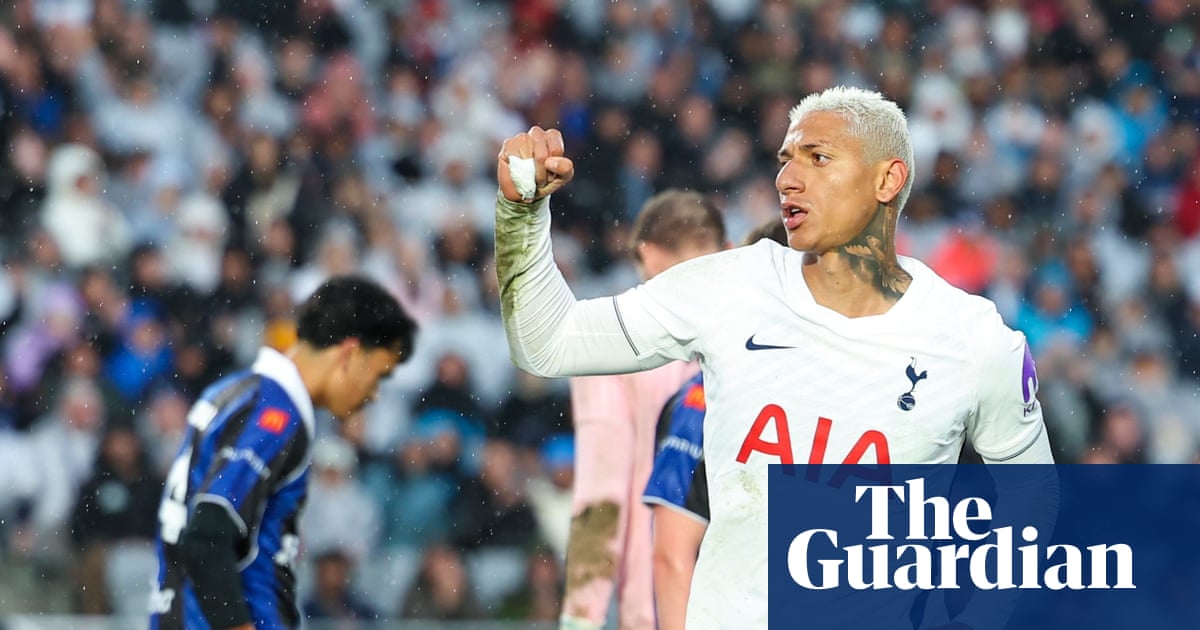
The dawn of the Roberto De Zerbi era at Tottenham Hotspur has officially commenced on the other side of the world. Watching the recent friendly against Auckland FC, it was clear that the Italian manager is not interested in easing into the job. He fielded a noticeably youthful lineup, prioritising tactical assimilation over recognizable starting names.
This experiment, while successful in terms of the eventual 2-0 scoreline, highlighted the exact friction points De Zerbi will face this campaign. Possession-based buildup in the final third remains a work in progress. While the execution against A-League opposition was comfortable, the structural gaps in transition were far more telling than the goals scored.
The rise of the academy influence
Archie Gray donning the captain's armband in a pre-season opener is a statement of intent regarding the club's reliance on younger assets. His vision for the opening goal was the highlight of the match, threading a ball through the defensive line that sat perfectly for Dane Scarlett. As The Guardian reported, that clinical finish settled a nervy start as the record crowd in New Zealand grew restless.
The second goal, a tap-in from Richarlison, felt like a mandatory duty rather than a product of high-intensity pressure. Yet, look closer at the spacing in that sequence. The movement into the box was congested, lacking the fluid interchange De Zerbi perfected at Brighton. If Tottenham intends to compete for the top four, relying on stagnant positional play against deep-blocks won't suffice.
The tactical reality check
There is a lingering concern about the defensive shape when the opposition bypasses the initial press. Auckland FC was able to exploit the spaces between the holding midfielders and the center-backs on at least two occasions in the first half. These individual lapses were covered by athleticism today, but Premier League attackers will exploit these corridors with far greater efficiency.
- Defensive line recovery speeds remain a concern against high-ball deliveries.
- Midfield pivot rotation is still clearly under instructions, leading to hesitant distribution.
- Full-back inversion is clearly the primary tactical project for the current training camp.
De Zerbi has inherited a squad that oscillates between brilliance and total structural collapse. The transfer rumors surrounding the club suggest that outgoing talent may soon force his hand, meaning this current core of youngsters might actually be the foundation rather than the exception.
The upcoming test
The tour continues with the expectation of higher-quality opposition, forcing the manager to balance his desire to instill a specific style with the pragmatic necessity of match fitness. If he continues to deploy the high-risk, high-reward buildup patterns, we should expect a few chaotic scorelines in the coming weeks.
My prediction for the remainder of this tour is simple: expect more defensive growing pains. They will likely concede in the next two fixtures while scoring plenty. De Zerbi is prioritizing the process over the results, and he will accept the short-term defensive volatility to build long-term tactical buy-in.
Read Next
- Liverpool’s defensive crisis needs an immediate fix
- Chelsea's 117-million-pound gamble on Morgan Rogers
- Inter Milan open formal talks for Cristian Romero as Spurs face massive battle
- Inter Milan are pushing hard to sign Tottenham captain Cristian Romero
- 🏆 Europa League Final 2026 — Full Coverage Hub